Kirjojen hintavertailu. Mukana 12 390 323 kirjaa ja 12 kauppaa.
Kirjailija
Belle Wallace
Kirjat ja teokset yhdessä paikassa: 10 kirjaa, julkaisuja vuosilta 2000-2017, suosituimpien joukossa Using History to Develop Thinking Skills at Key Stage 2. Vertaile teosten hintoja ja tarkista saatavuus suomalaisista kirjakaupoista.
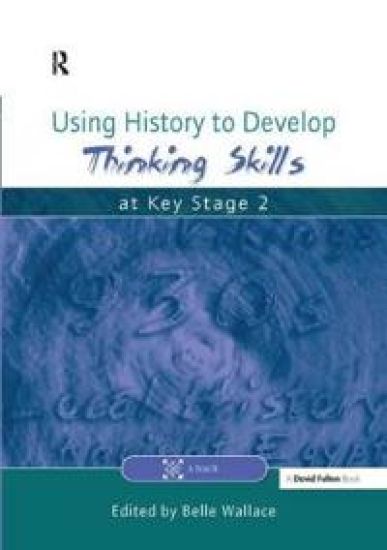
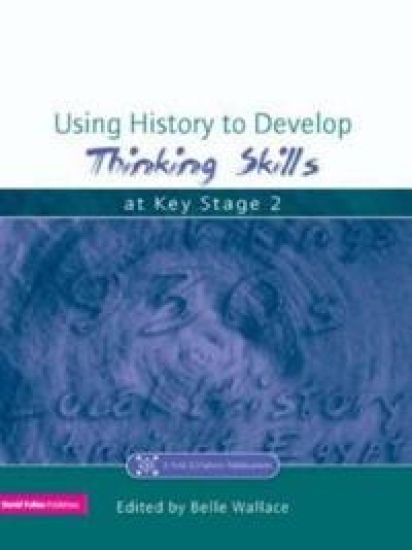
This practical resource book presents ways in which teachers can help to develop children's problem solving and thinking skills through a range of history topics. The book contains classroom-based activities that have been tried and evaluated by teachers and children. Most importantly, the contributors also show how the skills developed through rigorous historical investigations can be used across all areas of the curriculum. Topics covered include a detailed account of a world history investigation on Ancient Egypt; teaching historical skills using artifacts; small group work on local history, the Vikings and the Second World War; working in depth on aspects of the Tudors; and developing writing skills through a study of the Romans.
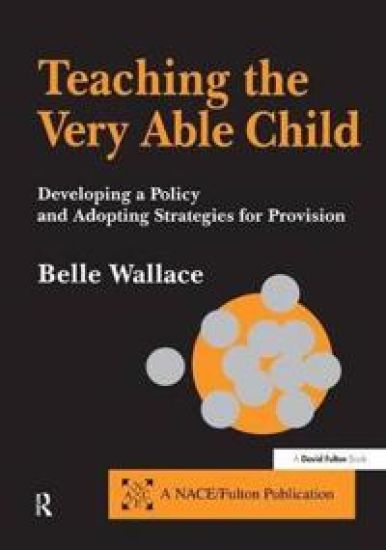
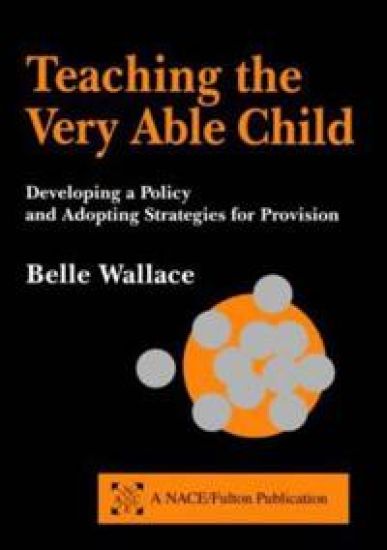
This introduction to the field of teaching the very able child provides practical help on meeting their needs within the mainstream school, and advice on formulating and developing effective whole-school policy. This book examines strategies for identification and provision which are in line with current government policy. It questions the definitions of the terms 'gifted' and 'very able'. The author encourages heads, teachers and governors to discuss and adopt principles which suit the very able pupils' specific needs. The book demonstrates how the whole-school policy can be put into effective practice. It also provides guidelines for checking that day-to-day lessons have sufficient challenge for the very able child.The author, who is highly experienced in this area of education, has carefully selected relevant information which schools can use as a basis for their decision making, and offers an extended reading list for those wishing to read the topic in greater depth. The book offers a comprehensive and reliable overview of educating very able children.
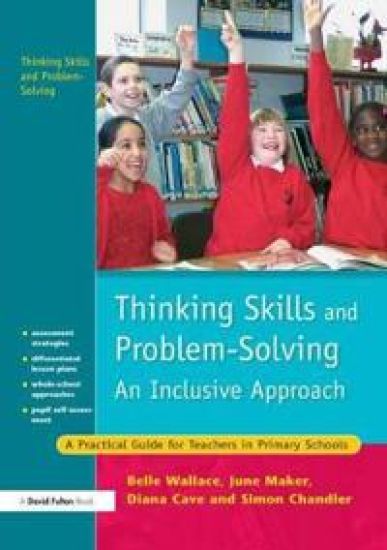
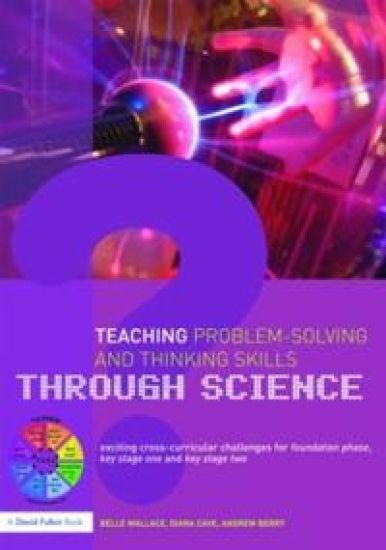
This highly practical resource book presents ways in which teachers can help to develop children's problem-solving and thinking skills through a range of exciting science topics. The book contains classroom-based activities which have been trialled and evaluated by teachers and children, and helpfully shows how the skills developed through rigorous scientific investigations can be used across all areas of the curriculum. The scientific curriculum requirements are extended with exciting and inspiring problem-solving activities that use scientific skills, for example: fair-testing pattern-seeking surveying classifying and identifying investigations over time designing testing and adapting an artefact open-ended exploration The book contains learning objectives for each activity, step by step guidelines for carrying out each problem-solving activity, basic equipment that's needed, examples of learner's work and guidelines for assessment. This book is a must-buy for all early years and primary school teachers keen to encourage an inclusive but differentiated approach to the development of problem-solving and thinking skills in their pupils.
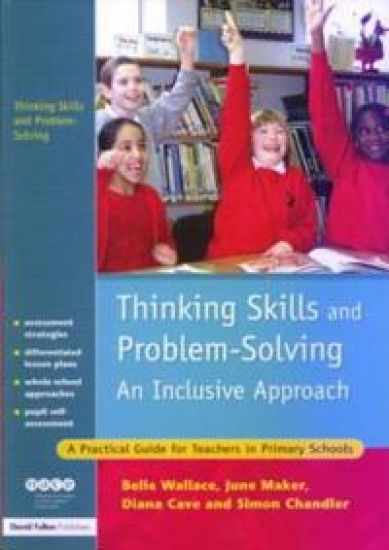
Discover and develop your pupils' strengths across the multiple intelligences by improving their problem solving skills. This book will:tell teachers all they need to know about multiple intelligences and problem solving provide a bank of problems that can be integrated into any lesson planhelp teachers to identify gifted and able pupils guide schools on how to organize their curriculum using example curriculum plans. For teachers working across the Foundation Stage, Key Stages One and Two, Headteachers and those working at management level.
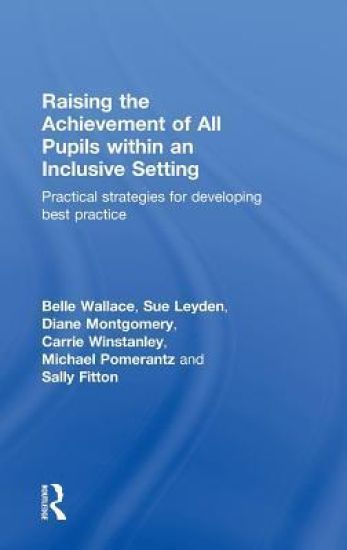
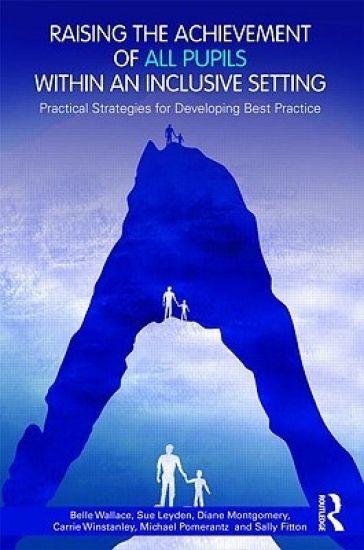
Schools everywhere are concerned with raising standards according to government requirements, particularly for those pupils who could be termed 'more able'. The key challenges revolve around government initiatives such as Every Child Matters, independent learning, inclusion and differentiation, thus making learning effective and successful for all pupils.The authors of this highly engaging book carried out extensive analysis of 12 key schools, selected for their representation of common challenging educational circumstances including working with children from: Multi-lingual and multi-ethnic communities Low socio-economic and disadvantaged communities Small rural schools and big inner city communities Schools with high levels of special educational needsAll the case-study schools subscribe to the educational ethos of creating an environment for all pupils to discover their gifts and talents, and the authors show clearly how these findings can be applied in any school.Raising the Achievement of All Pupils Within an Inclusive Setting describes the strategies that have been developed to provide equal opportunities for all pupils, whilst accommodating different individual needs and rates of development. A major focus is on identifying and resolving underachievement in schools. Drawing upon intensive interviews with staff, pupils, parents and governors, the authors provide practical guidance for successfully raising motivation, achievement and educational standards in any school environment.Teachers, Gifted and Talented Co-ordinators and school leaders seeking guidance and inspiration from real-life schools will benefit from the down-to-earth, achievable advice offered in this book.
Schools everywhere are concerned with raising standards according to government requirements, particularly for those pupils who could be termed 'more able'. The key challenges revolve around government initiatives such as Every Child Matters, independent learning, inclusion and differentiation, thus making learning effective and successful for all pupils.The authors of this highly engaging book carried out extensive analysis of 12 key schools, selected for their representation of common challenging educational circumstances including working with children from: Multi-lingual and multi-ethnic communities Low socio-economic and disadvantaged communities Small rural schools and big inner city communities Schools with high levels of special educational needsAll the case-study schools subscribe to the educational ethos of creating an environment for all pupils to discover their gifts and talents, and the authors show clearly how these findings can be applied in any school.Raising the Achievement of All Pupils Within an Inclusive Setting describes the strategies that have been developed to provide equal opportunities for all pupils, whilst accommodating different individual needs and rates of development. A major focus is on identifying and resolving underachievement in schools. Drawing upon intensive interviews with staff, pupils, parents and governors, the authors provide practical guidance for successfully raising motivation, achievement and educational standards in any school environment.Teachers, Gifted and Talented Co-ordinators and school leaders seeking guidance and inspiration from real-life schools will benefit from the down-to-earth, achievable advice offered in this book.
This highly practical resource book presents ways in which teachers can help to develop children's problem-solving and thinking skills through a range of exciting science topics. The book contains classroom-based activities which have been trialled and evaluated by teachers and children, and helpfully shows how the skills developed through rigorous scientific investigations can be used across all areas of the curriculum. The scientific curriculum requirements are extended with exciting and inspiring problem-solving activities that use scientific skills, for example: fair-testing pattern-seeking surveying classifying and identifying investigations over time designing testing and adapting an artefact open-ended exploration The book contains learning objectives for each activity, step by step guidelines for carrying out each problem-solving activity, basic equipment that's needed, examples of learner's work and guidelines for assessment. This book is a must-buy for all early years and primary school teachers keen to encourage an inclusive but differentiated approach to the development of problem-solving and thinking skills in their pupils.
Discover and develop your pupils' strengths across the multiple intelligences by improving their problem solving skills. This book will:tell teachers all they need to know about multiple intelligences and problem solving provide a bank of problems that can be integrated into any lesson planhelp teachers to identify gifted and able pupils guide schools on how to organize their curriculum using example curriculum plans. For teachers working across the Foundation Stage, Key Stages One and Two, Headteachers and those working at management level.
This practical resource book presents ways in which teachers can help to develop children's problem solving and thinking skills through a range of history topics. The book contains classroom-based activities that have been tried and evaluated by teachers and children. Most importantly, the contributors also show how the skills developed through rigorous historical investigations can be used across all areas of the curriculum. Topics covered include a detailed account of a world history investigation on Ancient Egypt; teaching historical skills using artifacts; small group work on local history, the Vikings and the Second World War; working in depth on aspects of the Tudors; and developing writing skills through a study of the Romans.
This introduction to the field of teaching the very able child provides practical help on meeting their needs within the mainstream school, and advice on formulating and developing effective whole-school policy. This book examines strategies for identification and provision which are in line with current government policy. It questions the definitions of the terms 'gifted' and 'very able'. The author encourages heads, teachers and governors to discuss and adopt principles which suit the very able pupils' specific needs. The book demonstrates how the whole-school policy can be put into effective practice. It also provides guidelines for checking that day-to-day lessons have sufficient challenge for the very able child.The author, who is highly experienced in this area of education, has carefully selected relevant information which schools can use as a basis for their decision making, and offers an extended reading list for those wishing to read the topic in greater depth. The book offers a comprehensive and reliable overview of educating very able children.