Kirjojen hintavertailu. Mukana 12 595 353 kirjaa ja 12 kauppaa.

Kirjailija

Ben Bradford

Kirjat ja teokset yhdessä paikassa: 8 kirjaa, julkaisuja vuosilta 2012-2026, suosituimpien joukossa Ecologies of Security. Vertaile teosten hintoja ja tarkista saatavuus suomalaisista kirjakaupoista.

8 kirjaa

Kirjojen julkaisuhaarukka 2012-2026.

Ecologies of Security

Ecologies of Security

Ian Loader; Evi Girling; Richard Sparks; Ben Bradford

Bristol University Press
2026
nidottu
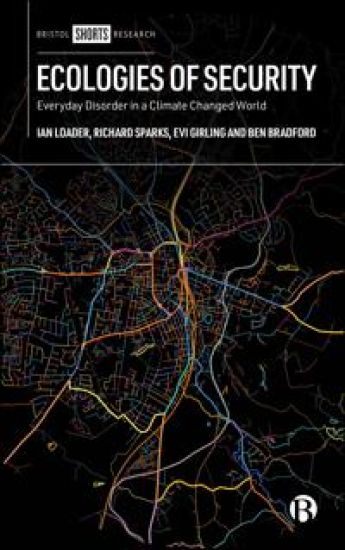
In a time of climate breakdown, everyday security is shaped as much by ecological degradation as by familiar forms of disorder. Drawing on two research encounters with a northern English town, set 25 years apart, this book reveals how local concerns about chronic environmental damage blur the boundaries between criminal and noncriminal harms. It proposes an ecological rethinking of security—one that recognises how worries about sustainability, place and quality of life increasingly intertwine. Bringing environmental and green criminology into closer dialogue, the book shows how austerity and climate anxieties converge, and how communities’ hopes for habitable futures demand new ways of understanding—and acting upon—everyday disorder.
Access to Justice, Digitalization and Vulnerability

Access to Justice, Digitalization and Vulnerability

Naomi Creutzfeldt; Arabella Kyprianides; Ben Bradford; Jonathan Jackson

Bristol University Press
2024
sidottu
The pandemic has significantly impacted people's engagement with the administrative justice system (AJS). As we navigate the post-pandemic era, the siloed landscape of tribunals, ombuds, advice services and NGOs face the challenge of maintaining trust in the justice system's fairness, efficacy and inclusivity. Examining the journeys individuals undertake to seek justice in housing and special educational needs and disabilities (SEND), this book sheds light on how these institutions adapted to remote service provision. Written by key names in the field, this important contribution uncovers valuable insights for digitalization efforts and offers concrete recommendations for improving pathways to justice.
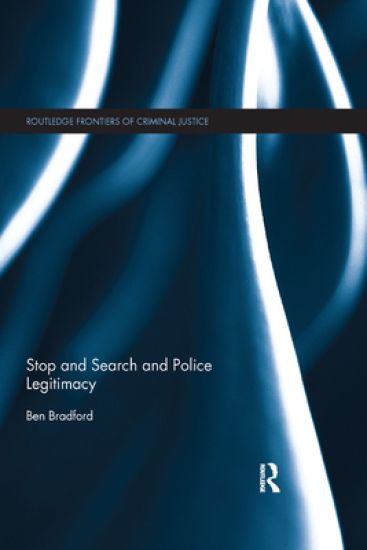
Stop and Search and Police Legitimacy
‘Stop and search’ is a form of police-citizen interaction that is confrontational, often stressful for those involved, and potentially damaging to the relationship between police and public. The extent to which police officers use their power to stop and perhaps search members of the public is intimately linked not only to the present-day context of policing but also to longer term patterns in the aims of policing, the ends used to achieve them, and ultimately to the ideology of policing in England and Wales.Stop and Search and Police Legitimacy draws upon both police-administrative and survey-based data to examine what has for many years been one of the most highly charged and contested aspects of police practice. Taking a decidedly quantitative, empirical, approach, this book examines the patterning of police stops over social and geographic space, the problem of ethnic disproportionality, and the evidence concerning how people experience and react to being stopped by police – particularly in relation to issues of fairness, legitimacy, cooperation and compliance. A further important concern is the extent to which this form of police practice shapes and re-shapes the identities of those affected by it.This ground-breaking study is a comprehensive resource for students and scholars in the fields of criminology, sociology, social policy, ethnic and racial studies and human rights. It will also be of special interest to police leaders and policy-makers.
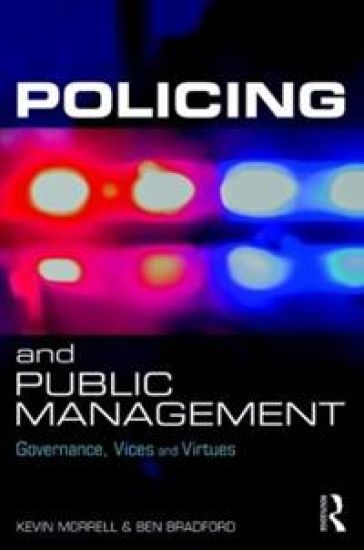
Policing and Public Management

Policing and Public Management

Kevin Morrell; Ben Bradford

Routledge
2018
nidottu
Policing and Public Management takes a new perspective on the challenges and problems facing the governance of police forces across the UK and the developed world. Complementing existing texts in criminology and police studies, Morrell and Bradford draw on ideas from the neighbouring fields of public management and virtue ethics to open the field up to a broader audience. This forms the basis for an imaginative reframing of policing as something that either enhances or diminishes "the public good" in society.The text focuses on two cross-cutting aspects of the relationship between the police and the public: public confidence and public order. Extending award-winning work in public management, and drawing on extensive and varied data sources, Policing and Public Management offers new ways of seeing the police and of understanding police governance. This text will be valuable supplementary reading for students of public management, policing and criminology, as well as others who want to be better informed about contemporary policing.
Policing and Public Management

Policing and Public Management

Kevin Morrell; Ben Bradford

Routledge
2018
sidottu
Policing and Public Management takes a new perspective on the challenges and problems facing the governance of police forces across the UK and the developed world. Complementing existing texts in criminology and police studies, Morrell and Bradford draw on ideas from the neighbouring fields of public management and virtue ethics to open the field up to a broader audience. This forms the basis for an imaginative reframing of policing as something that either enhances or diminishes "the public good" in society.The text focuses on two cross-cutting aspects of the relationship between the police and the public: public confidence and public order. Extending award-winning work in public management, and drawing on extensive and varied data sources, Policing and Public Management offers new ways of seeing the police and of understanding police governance. This text will be valuable supplementary reading for students of public management, policing and criminology, as well as others who want to be better informed about contemporary policing.
Stop and Search and Police Legitimacy
‘Stop and search’ is a form of police-citizen interaction that is confrontational, often stressful for those involved, and potentially damaging to the relationship between police and public. The extent to which police officers use their power to stop and perhaps search members of the public is intimately linked not only to the present-day context of policing but also to longer term patterns in the aims of policing, the ends used to achieve them, and ultimately to the ideology of policing in England and Wales.Stop and Search and Police Legitimacy draws upon both police-administrative and survey-based data to examine what has for many years been one of the most highly charged and contested aspects of police practice. Taking a decidedly quantitative, empirical, approach, this book examines the patterning of police stops over social and geographic space, the problem of ethnic disproportionality, and the evidence concerning how people experience and react to being stopped by police – particularly in relation to issues of fairness, legitimacy, cooperation and compliance. A further important concern is the extent to which this form of police practice shapes and re-shapes the identities of those affected by it.This ground-breaking study is a comprehensive resource for students and scholars in the fields of criminology, sociology, social policy, ethnic and racial studies and human rights. It will also be of special interest to police leaders and policy-makers.
Just Authority?

Just Authority?

Jonathan Jackson; Ben Bradford; Betsy Stanko; Katrin Hohl

Focal Press
2014
nidottu
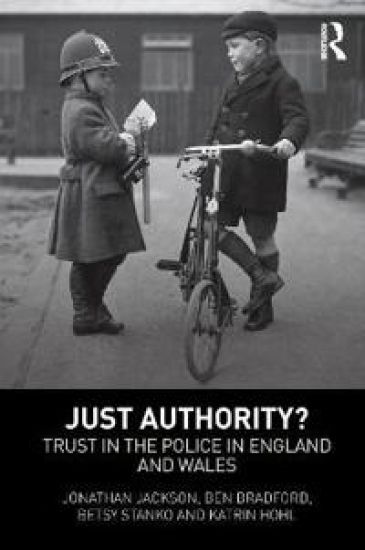
What does it mean to trust the police? What makes the police legitimate in the eyes of the policed? What builds trust, legitimacy and cooperation, and what undermines the bond between police and the public? These questions are central to current debates concerning the relationship between the British police and the public it serves. Yet, in the context of British policing they are seldom asked explicitly, still less examined in depth. Drawing on psychological and sociological explanatory paradigms, Just Authority? presents a cutting-edge empirical study into public trust, police legitimacy, and people’s readiness to cooperate with officers. It represents, first, the most detailed test to date of Tom Tyler’s procedural justice model attempted outside the United States. Second, it uncovers the social ecology of trust and legitimacy and, third, it describes the relationships between trust, legitimacy and cooperation.This book contains many important lessons for practitioners, policy-makers and academics. As elsewhere the dominant vision of policing in Great Britain continues to stress instrumental effectiveness: the ‘fight against crime’ will be won by pro-active and even aggressive policing. In line with work from the United States and elsewhere, Just Authority? casts significant doubt on such claims. When people find policing to be unfair, disrespectful and careless of human dignity, not only is trust lost, legitimacy is also damaged and cooperation is withdrawn as a result. Absent such public support, the job of the police is made harder and the avowed objectives of less crime and disorder placed ever further from reach.
Just Authority?

Just Authority?

Jonathan Jackson; Ben Bradford; Betsy Stanko; Katrin Hohl

Willan Publishing
2012
sidottu
What does it mean to trust the police? What makes the police legitimate in the eyes of the policed? What builds trust, legitimacy and cooperation, and what undermines the bond between police and the public? These questions are central to current debates concerning the relationship between the British police and the public it serves. Yet, in the context of British policing they are seldom asked explicitly, still less examined in depth. Drawing on psychological and sociological explanatory paradigms, Just Authority? presents a cutting-edge empirical study into public trust, police legitimacy, and people’s readiness to cooperate with officers. It represents, first, the most detailed test to date of Tom Tyler’s procedural justice model attempted outside the United States. Second, it uncovers the social ecology of trust and legitimacy and, third, it describes the relationships between trust, legitimacy and cooperation.This book contains many important lessons for practitioners, policy-makers and academics. As elsewhere the dominant vision of policing in Great Britain continues to stress instrumental effectiveness: the ‘fight against crime’ will be won by pro-active and even aggressive policing. In line with work from the United States and elsewhere, Just Authority? casts significant doubt on such claims. When people find policing to be unfair, disrespectful and careless of human dignity, not only is trust lost, legitimacy is also damaged and cooperation is withdrawn as a result. Absent such public support, the job of the police is made harder and the avowed objectives of less crime and disorder placed ever further from reach.