Kirjojen hintavertailu. Mukana 12 390 323 kirjaa ja 12 kauppaa.

Kirjailija

Ben Feldmeyer

Kirjat ja teokset yhdessä paikassa: 2 kirjaa, julkaisuja vuodelta 2017, suosituimpien joukossa Communities and Crime. Vertaile teosten hintoja ja tarkista saatavuus suomalaisista kirjakaupoista.

2 kirjaa

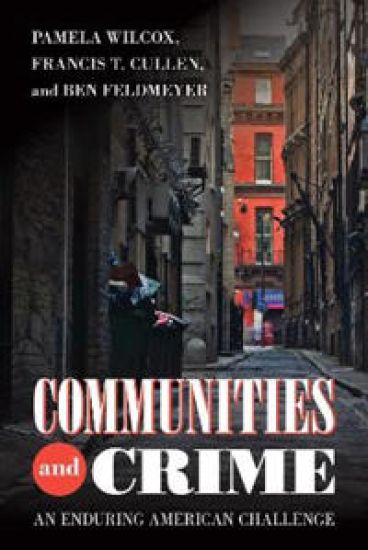
Communities and Crime

Communities and Crime

Pamela Wilcox; Francis T. Cullen; Ben Feldmeyer

Temple University Press,U.S.
2017
pokkari
Social scientists have long argued over the links between crime and place. The authors of Communities and Crime provide an intellectual history that traces how varying images of community have evolved over time and influenced criminological thinking and criminal justice policy.The authors outline the major ideas that have shaped the development of theory, research, and policy in the area of communities and crime. Each chapter examines the problem of the community through a defining critical or theoretical lens: the community as social disorganization; as a system of associations; as a symptom of larger structural forces; as a result of criminal subcultures; as a broken window; as crime opportunity; and as a site of resilience. Focusing on these changing images of community, the empirical adequacy of these images, and how they have resulted in concrete programs to reduce crime, Communities and Crime theorizes about and reflects upon why some neighborhoods produce so much crime. The result is a tour of the dominant theories of place in social science today.
Communities and Crime

Communities and Crime

Pamela Wilcox; Francis T. Cullen; Ben Feldmeyer

Temple University Press,U.S.
2017
sidottu
Social scientists have long argued over the links between crime and place. The authors of Communities and Crime provide an intellectual history that traces how varying images of community have evolved over time and influenced criminological thinking and criminal justice policy.The authors outline the major ideas that have shaped the development of theory, research, and policy in the area of communities and crime. Each chapter examines the problem of the community through a defining critical or theoretical lens: the community as social disorganization; as a system of associations; as a symptom of larger structural forces; as a result of criminal subcultures; as a broken window; as crime opportunity; and as a site of resilience. Focusing on these changing images of community, the empirical adequacy of these images, and how they have resulted in concrete programs to reduce crime, Communities and Crime theorizes about and reflects upon why some neighborhoods produce so much crime. The result is a tour of the dominant theories of place in social science today.