

Kirjailija
Benjamin J. Chicka
Kirjat ja teokset yhdessä paikassa: 5 kirjaa, julkaisuja vuosilta 2021-2027, suosituimpien joukossa An Introduction to Video Games and Religion. Vertaile teosten hintoja ja tarkista saatavuus suomalaisista kirjakaupoista.
Mukana myös kirjoitusasut: Benjamin J Chicka
5 kirjaa
Kirjojen julkaisuhaarukka 2021-2027.

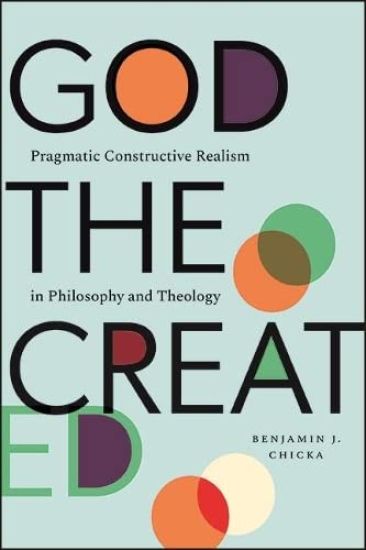
Develops a creative and provocative new model of God that brings together insights from both process theology and ground-of-being theology.In God the Created, Benjamin Chicka develops a method of inquiry and program for theology that he labels "pragmatic constructive realism." While influenced most heavily by American pragmatism, especially that of Charles S. Peirce, Chicka's method draws upon a variety of sources, ranging from Plato to Karl Popper, Paul Tillich, and the field of biosemiotics. Chicka presents pragmatic constructive realism as a means of moving past binary debates between realism and antirealism in both philosophy and theology, and its fruitfulness is displayed by examining the philosophical theologies of John Cobb and Robert Cummings Neville. The result of that engagement is a novel hypothesis about God that embraces legitimate criticisms of both process theology (Cobb) and ground-of-being theology (Neville) while integrating insights from both ways of thinking. God's transcendence and immanence, indeterminacy and determinacy are fully affirmed. The entire argument serves as an example of why a fallible and pluralistic form of theology, one that embraces and learns from difference instead of trying to eliminate it, is important for the future of theology.
Develops a creative and provocative new model of God that brings together insights from both process theology and ground-of-being theology.In God the Created, Benjamin Chicka develops a method of inquiry and program for theology that he labels "pragmatic constructive realism." While influenced most heavily by American pragmatism, especially that of Charles S. Peirce, Chicka's method draws upon a variety of sources, ranging from Plato to Karl Popper, Paul Tillich, and the field of biosemiotics. Chicka presents pragmatic constructive realism as a means of moving past binary debates between realism and antirealism in both philosophy and theology, and its fruitfulness is displayed by examining the philosophical theologies of John Cobb and Robert Cummings Neville. The result of that engagement is a novel hypothesis about God that embraces legitimate criticisms of both process theology (Cobb) and ground-of-being theology (Neville) while integrating insights from both ways of thinking. God's transcendence and immanence, indeterminacy and determinacy are fully affirmed. The entire argument serves as an example of why a fallible and pluralistic form of theology, one that embraces and learns from difference instead of trying to eliminate it, is important for the future of theology.
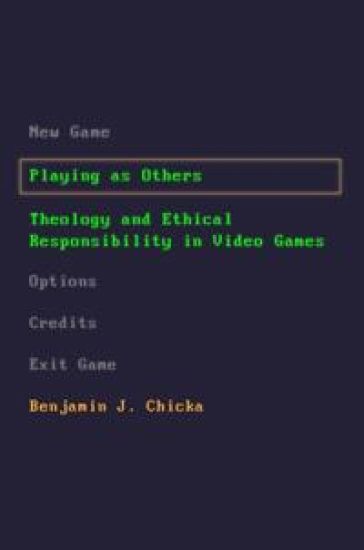
No contemporary form of pop culture has as large a social impact as video games, an entertainment industry whose yearly revenues continue to rise. Gamergate rocked the gaming industry when isolated incidents of male gamers threatening female game developers and critics grew into a sustained campaign of harassment against minorities and the historically marginalized. These events negatively revealed the political, ethical, and theological meaning latent within video games and gaming communities, but constructive reactions to the situation showed that video game creators and consumers were interested in thinking about games differently. In the wake of Gamergate, the voices of those marginalized and ignored as the "other" became louder, and alternative gaming experiences reflecting their perspectives more commonplace. Playing as Others traces the development of video game culture in response to marginalization and explores the ways in which the content of video games can generate theological insight and positive ethical impact. Benjamin Chicka shows how the interactivity and compelling narratives provided by emerging styles of video games can provide powerful lessons in listening to, accepting, and helping those often harmed or outright neglected by society. Bringing Paul Tillich's theology of culture into conversation with Emmanuel Levinas' ethical concept of responsibility toward the other, Chicka shows that video games as art form aid in the overcoming of estrangement.If culture, art, and technology have the power to reveal divine depth, video games offer a unique opportunity to foster redemptive face-to-face encounters in a way that is impossible for even the most practical discussions of philosophy and theology. With their fully formed characters and morally challenging stories, the games considered here, such as Gone Home; Papers, Please; and 1979 Revolution: Black Friday, can become a means to personal fulfillment and a desire for justice. For nonmarginalized players, virtual encounters are opportunities to listen to the call of the other and carry that lesson into the real world.