Kirjailija
Benoît Peeters
Kirjat ja teokset yhdessä paikassa: 16 kirjaa, julkaisuja vuosilta 2010-2023, suosituimpien joukossa Hergé, Son of Tintin. Vertaile teosten hintoja ja tarkista saatavuus suomalaisista kirjakaupoista.
Mukana myös kirjoitusasut: Benoit Peeters
16 kirjaa
Kirjojen julkaisuhaarukka 2010-2023.
Tintinology [tin-tin-ol-uh-jee] (noun) is the study of the works of comic creator Herge and the cultural impact of Tintin, his best-known and most influential character. The adventures of Tintin and his dog, Snowy, have captivated people worldwide since they first appeared as an insert in the Belgian Catholic newspaper "Le Vintieme Siecle" in 1929. Available for the first time in English, this insightful biography delves deep into the psyche of Tintin creator Georges Remi and his public persona Herge. Author of the critically acclaimed Tintin and the World of Herge and the last person to interview Remi, Benoit Peeters tells the complete story behind Herge's origins and shows how and why the nom de plume grew into a larger-than-Remi personality as Tintin's popularity exploded. Drawing on interviews and using recently uncovered primary sources for the first time, Peeters reveals Remi as a neurotic man who sought to escape the troubles of his past by allowing Herge's identity to subsume his own. As Tintin adventured, Herge lived out a romanticized version of life for Remi. Millions have traveled alongside Tintin and Snowy through books, animated television series, theatrical performances, exhibitions, documentaries, and movies, including Steven Spielberg's fall 2011 "The Adventures of Tintin". Now Tintinologists have the opportunity to better understand the complex and sometimes dark personality of Tintin's creator and his carefully crafted public persona.
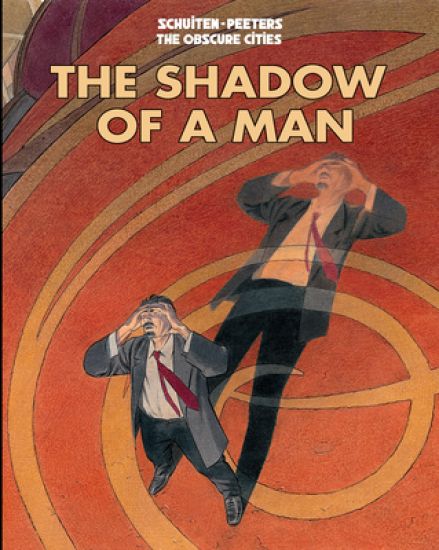
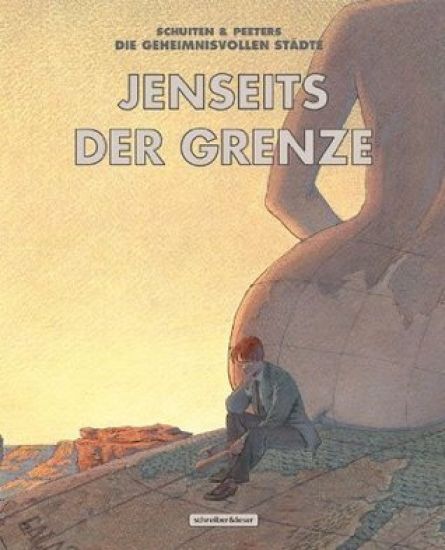
The fourth release in Alaxis Press' The Obscure Cities series to be published by IDW brings the award winning graphic novels to readers in English for the first time Albert Chamisso, a newlywed of just a few weeks to Sarah, begins to have nightmares. Dr. Polydore Vincent helps him to get rid of the nightmares, but a strange side effect of the treatment is that his shadow is in color afterwards. He struggles with this, losing his wife and his job in the process. He moves to the outskirts of Blossfeldtstad where he meets the lovely Minna. Together they create a light show that becomes very popular in this bittersweet romantic noir tale.
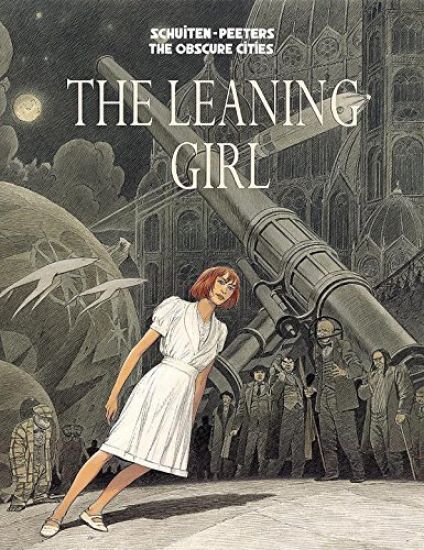
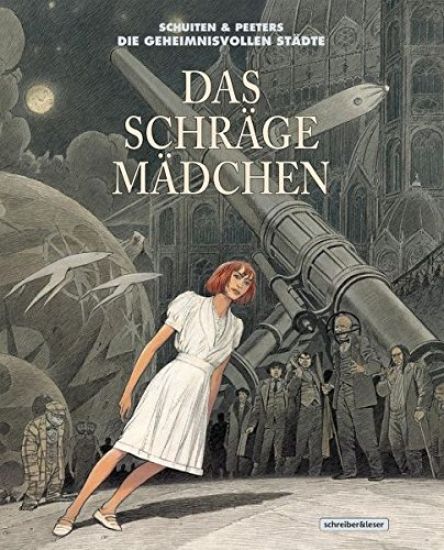
After a metaphysical accident on a roller coaster, young Mary begins tolean. Five years later, as a young woman, Mary joins Prof. Wappendorf in arocket. On an alien planet, they meet Jules Verne and a lonely artist. This is astory of persevarance and a search for love. This is the first time thisaward-winning graphic novel has been published in English.
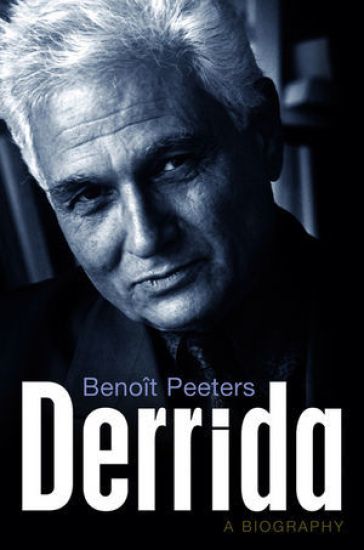
This biography of Jacques Derrida (1930–2004) tells the story of a Jewish boy from Algiers, excluded from school at the age of twelve, who went on to become the most widely translated French philosopher in the world – a vulnerable, tormented man who, throughout his life, continued to see himself as unwelcome in the French university system. We are plunged into the different worlds in which Derrida lived and worked: pre-independence Algeria, the microcosm of the École Normale Supérieure, the cluster of structuralist thinkers, and the turbulent events of 1968 and after. We meet the remarkable series of leading writers and philosophers with whom Derrida struck up a friendship: Louis Althusser, Emmanuel Levinas, Jean Genet, and Hélène Cixous, among others. We also witness an equally long series of often brutal polemics fought over crucial issues with thinkers such as Michel Foucault, Jacques Lacan, John R. Searle, and Jürgen Habermas, as well as several controversies that went far beyond academia, the best known of which concerned Heidegger and Paul de Man. We follow a series of courageous political commitments in support of Nelson Mandela, illegal immigrants, and gay marriage. And we watch as a concept – deconstruction – takes wing and exerts an extraordinary influence way beyond the philosophical world, on literary studies, architecture, law, theology, feminism, queer theory, and postcolonial studies. In writing this compelling and authoritative biography, Benoît Peeters talked to over a hundred individuals who knew and worked with Derrida. He is also the first person to make use of the huge personal archive built up by Derrida throughout his life and of his extensive correspondence. Peeters’ book gives us a new and deeper understanding of the man who will perhaps be seen as the major philosopher of the second half of the twentieth century.