Kirjojen hintavertailu. Mukana 12 390 323 kirjaa ja 12 kauppaa.
Kirjailija
Bernhard Wilpert
Kirjat ja teokset yhdessä paikassa: 6 kirjaa, julkaisuja vuosilta 1977-1998, suosituimpien joukossa Organizational Participation. Vertaile teosten hintoja ja tarkista saatavuus suomalaisista kirjakaupoista.
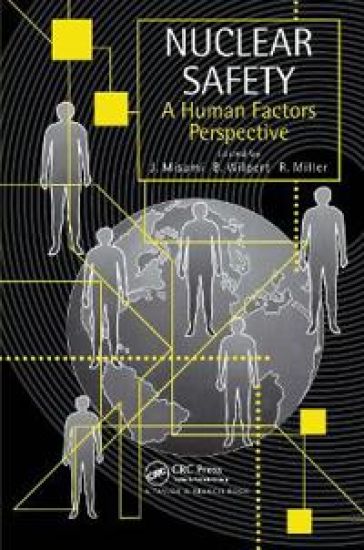
For many years, as a direct result of international governmental concern, the nuclear power industry has been at the forefront of industrial safety. This text represents a cross-disciplinary look at the human factors developments in this industry, with wider applications for the entire industrial sector. Technical, psychological and social aspects of industrial safety come under the scrutiny of scientists and engineers from an array of different backgrounds. The contributors are international safety scientists from the USA, Japan and Europe, and their chapters deal with a variety of issues: from theoretical aspects of applicable cultural models, to reviews of actual safety performance in specific plants.
Team-working, partnership, quality circles, works councils, industrial democracy, empowerment - are they distinct and innovative arrangements or is it a case of new wine in old bottles? In the post war period we have seen numerous forms of organizational participation sometimes as experiments, sometimes as negotiated expediency, and sometimes as hype. Different ideas have emerged from different parts of the world, in different industries, at different times with different objectives. In this book four experienced international analysts take the longer view and look at the changing forms of - and changing debates around - orgnaizational participation. The review an extensive literature of experiments and practical experiences through a critical evaluation of the available data to reach balanced conclusions about the importance and utility of this concept for organizations now and in the future.
Team-working, partnership, quality circles, works councils, industrial democracy, empowerment - are they distinct and innovative arrangements or is it a case of new wine in old bottles? In the post war period we have seen numerous forms of organizational participation sometimes as experiments, sometimes as negotiated expediency, and sometimes as hype. Different ideas have emerged from different parts of the world, in different industries, at different times with different objectives. In this book four experienced international analysts take the longer view and look at the changing forms of - and changing debates around - orgnaizational participation. The review an extensive literature of experiments and practical experiences through a critical evaluation of the available data to reach balanced conclusions about the importance and utility of this concept for organizations now and in the future.
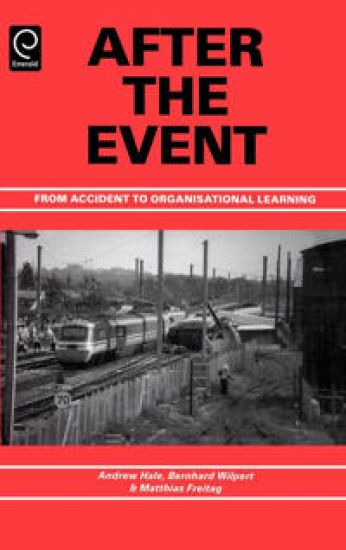
This is a multi-authored volume addressing the topical subjects of event analysis and the learning organisation within the context of safety management systems. When an accident occurs, we respond in a number of ways: we look for someone to blame, we try to understand why it happened, we seek to learn and take precautions for the future and we may breathe a sigh of relief and try to forget the accident as quickly as possible. This book is about how to manage these various responses to an accident. It addresses the question of how to manage the stages of learning from disasters and other accidents and of: how data could be collected and analysed to derive the lessons; and how far the different and conflicting objectives of judicial procedures and organisational learning could be reconciled. In the past decade, the issue of organisational shortcomings has emerged as a central focus, but there have been few, if any, proven techniques or management systems for coping with such issues. We are still discovering how to ensure organisations learn and change when faced with accidents. At a wider level, we need to address how society learns, how to regulate industry, how to co-ordinate the activities of the many various people responsible for safety within given contexts (e.g. within transport networks). We must take necessary action, but avoid knee-jerk, expensive and ineffective reactions fuelled by the heat of emotions.