Kirjojen hintavertailu. Mukana 12 247 294 kirjaa ja 12 kauppaa.

Kirjailija

Bert Winther-Tamaki

Kirjat ja teokset yhdessä paikassa: 3 kirjaa, julkaisuja vuosilta 2012-2022, suosituimpien joukossa Tsuchi. Vertaile teosten hintoja ja tarkista saatavuus suomalaisista kirjakaupoista.

3 kirjaa

Kirjojen julkaisuhaarukka 2012-2022.

Tsuchi

Tsuchi

Bert Winther-Tamaki

UNIVERSITY OF MINNESOTA PRESS
2022
nidottu
An examination of Japanese contemporary art through the lens of ecocriticism and environmental history Collectively referred to by the word tsuchi, earthy materials such as soil and clay are prolific in Japanese contemporary art. Highlighting works of photography, ceramics, and installation art, Bert Winther-Tamaki explores the many aesthetic manifestations of tsuchi and their connection to the country’s turbulent environmental history, investigating how Japanese artists have continually sought a passionate and redemptive engagement with earth.In the seven decades following 1955, Japan has experienced severe environmental degradation as a result of natural disasters, industrial pollution, and nuclear irradiation. Artists have responded to these ongoing catastrophes through modes of “mudlarking” and “muckracking,” utilizing raw elements from nature to establish deeper contact with the primal resources of their world and expose its unfettered contamination. Providing a comparative assessment of more than seventy works of art, this study reveals Japanese artists’ engagement with a richly diverse repertoire of earthy materialities, elucidating their aesthetic properties, changing conditions, and cultural significance. By focusing on the role of tsuchi as a convergence point for a wide range of creative practices, this book offers a critical reassessment of contemporary art in Japan and its intrinsic relationship to the environment. Situating art within the context of ecology and urbanization, Tsuchi shows artists striving to explore and reprocess raw forms of earth beneath the corruptions of human activity.
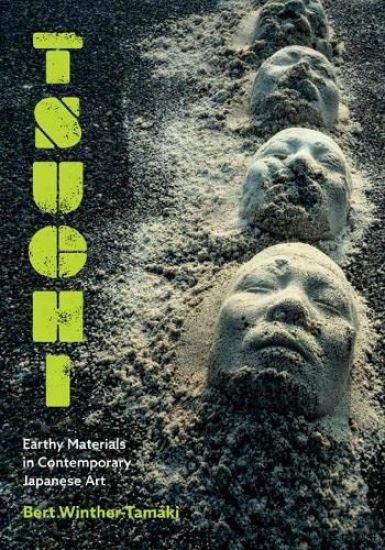
Tsuchi

Tsuchi

Bert Winther-Tamaki

UNIVERSITY OF MINNESOTA PRESS
2022
sidottu
An examination of Japanese contemporary art through the lens of ecocriticism and environmental history Collectively referred to by the word tsuchi, earthy materials such as soil and clay are prolific in Japanese contemporary art. Highlighting works of photography, ceramics, and installation art, Bert Winther-Tamaki explores the many aesthetic manifestations of tsuchi and their connection to the country’s turbulent environmental history, investigating how Japanese artists have continually sought a passionate and redemptive engagement with earth.In the seven decades following 1955, Japan has experienced severe environmental degradation as a result of natural disasters, industrial pollution, and nuclear irradiation. Artists have responded to these ongoing catastrophes through modes of “mudlarking” and “muckracking,” utilizing raw elements from nature to establish deeper contact with the primal resources of their world and expose its unfettered contamination. Providing a comparative assessment of more than seventy works of art, this study reveals Japanese artists’ engagement with a richly diverse repertoire of earthy materialities, elucidating their aesthetic properties, changing conditions, and cultural significance. By focusing on the role of tsuchi as a convergence point for a wide range of creative practices, this book offers a critical reassessment of contemporary art in Japan and its intrinsic relationship to the environment. Situating art within the context of ecology and urbanization, Tsuchi shows artists striving to explore and reprocess raw forms of earth beneath the corruptions of human activity.
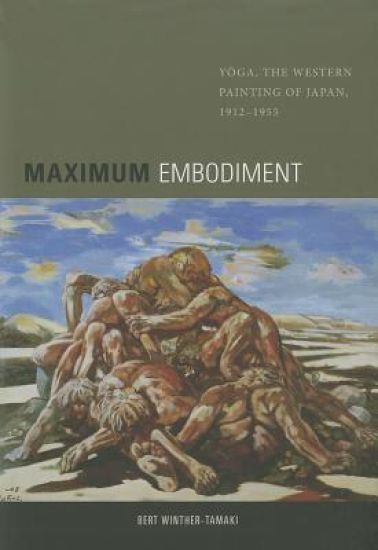
Maximum Embodiment

Maximum Embodiment

Bert Winther-Tamaki

University of Hawai'i Press
2012
sidottu
Presents a compelling thesis articulating the historical character of Yoga, literally the “Western painting” of Japan. Balancing critique and sympathy for the twelve Yoga painters who are its principal protagonists, this investigates the quest for embodiment in some of the most compelling images of modern Japanese art.