Kirjojen hintavertailu. Mukana 12 390 323 kirjaa ja 12 kauppaa.

Kirjailija

Betti-Sue Hertz

Kirjat ja teokset yhdessä paikassa: 3 kirjaa, julkaisuja vuosilta 2022-2024, suosituimpien joukossa Angela Su. Vertaile teosten hintoja ja tarkista saatavuus suomalaisista kirjakaupoista.

Mukana myös kirjoitusasut: Betti–sue Hertz

3 kirjaa

Kirjojen julkaisuhaarukka 2022-2024.

Angela Su

Angela Su

Angela Su; Betti-Sue Hertz

UNIVERSITY OF WASHINGTON PRESS
2024
pokkari
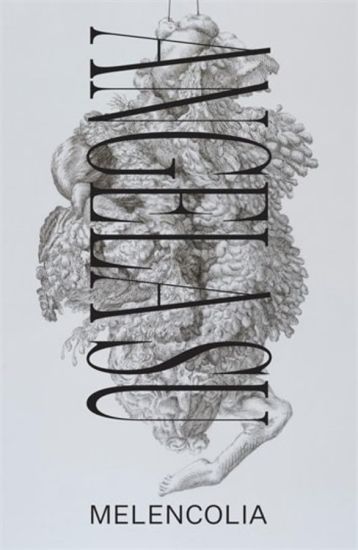
Angela Su: Melencolia is published in conjunction with the artist's eponymously titled first solo exhibition in the Western Hemisphere. The richly illustrated book provides an overview of the artist's work since 2013 which include sinstallations, speculative docufiction videos, and drawings and hair embroideries of composite cyborgian bodies. The title is a tribute to Albrecht Dürer's engraving "Melencolia I "(1514). In medieval philosophy, melancholy is associated with insanity, and late in the Renaissance it was also linked to creative genius. This print is a divining rod for understanding Su's varied practice. Weaving a spiritual dimension in works that veer into strange and uncomfortable spheres, she reenvisions interlocking symbolisms and expands into the mediums and realms drawn from the modern and contemporary archive.
Partisans of the Nude

Partisans of the Nude

Betti-Sue Hertz

UNIVERSITY OF WASHINGTON PRESS
2024
pokkari
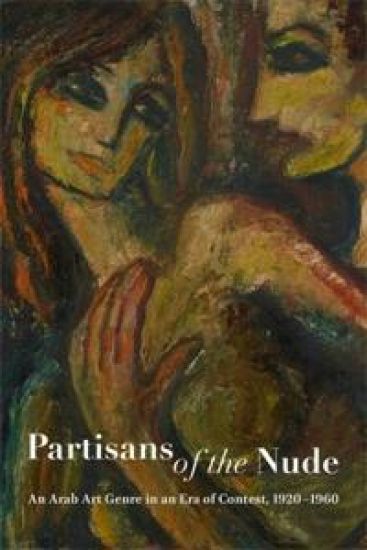
Partisans of the Nude is a survey of genre art of the nude made by artists in areas that were formerly Ottoman but not yet Arab. Though spoken of as taboo and practically absent from Arab art production, the nude genre was important for early twentieth-century artists who sought to define their societies as post-Ottoman and cosmopolitan. Although recognized as foundational to Western art since Ancient Greece, the role the nude played in carving out an Arab art has been ignored by both nationalist histories and Orientalist narratives. By contrast, this book shows that art movements outside the West created their own, connected and commandeering modernity through the genre. It recontextualizes "postwar" and "Arab Spring" art by rooting it in the decolonizing and civic reinvention efforts of artists and activists who fiercely upheld aesthetic development and battled for new forms of political being.