Kirjojen hintavertailu. Mukana 12 595 353 kirjaa ja 12 kauppaa.

Kirjailija

Beverly Wright

Kirjat ja teokset yhdessä paikassa: 5 kirjaa, julkaisuja vuosilta 2009-2023, suosituimpien joukossa Race, Place, and Environmental Justice After Hurricane Katrina. Vertaile teosten hintoja ja tarkista saatavuus suomalaisista kirjakaupoista.

5 kirjaa

Kirjojen julkaisuhaarukka 2009-2023.

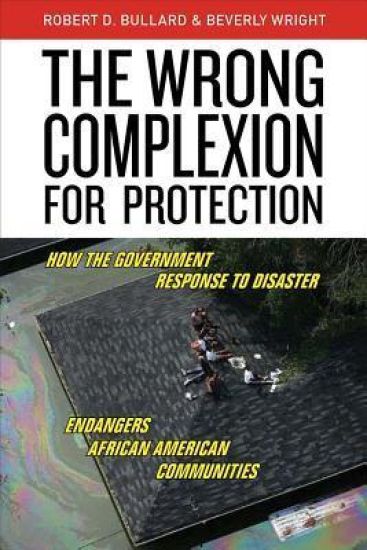
The Wrong Complexion for Protection

The Wrong Complexion for Protection

Robert D. Bullard; Beverly Wright

NEW YORK UNIVERSITY PRESS
2023
pokkari
Uncovers the ways the United States government responds to natural and human-induced disasters in relation to race over the past eight decades When the images of desperate, hungry, thirsty, sick, mostly black people circulated in the aftermath of Hurricane Katrina, it became apparent to the whole country that race did indeed matter when it came to government assistance. In The Wrong Complexion for Protection, Robert D. Bullard and Beverly Wright place the government response to natural and human-induced disasters in historical context over the past eight decades. They compare and contrast how the government responded to emergencies, including environmental and public health emergencies, toxic contamination, industrial accidents, bioterrorism threats and show that African Americans are disproportionately affected. Bullard and Wright argue that uncovering and eliminating disparate disaster response can mean the difference between life and death for those most vulnerable in disastrous times.

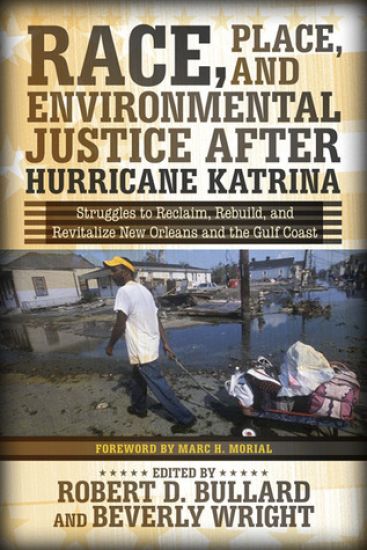
Race, Place, and Environmental Justice After Hurricane Katrina

Race, Place, and Environmental Justice After Hurricane Katrina

Robert D. Bullard; Beverly Wright

Routledge
2019
sidottu
On August 29, 2005, Hurricane Katrina made landfall near New Orleans leaving death and destruction across the Louisiana, Mississippi, and Alabama Gulf Coast counties. The lethargic and inept emergency response that followed exposed institutional flaws, poor planning, and false assumptions that are built into the emergency response and homeland security plans and programs. Questions linger: What went wrong? Can it happen again? Is our government equipped to plan for, mitigate, respond to, and recover from natural and manmade disasters? Can the public trust government response to be fair? Does race matter? Racial disparities exist in disaster response, cleanup, rebuilding, reconstruction, and recovery. Race plays out in natural disaster survivors' ability to rebuild, replace infrastructure, obtain loans, and locate temporary and permanent housing. Generally, low-income and people of color disaster victims spend more time in temporary housing, shelters, trailers, mobile homes, and hotels - and are more vulnerable to permanent displacement. Some 'temporary' homes have not proved to be that temporary. In exploring the geography of vulnerability, this book asks why some communities get left behind economically, spatially, and physically before and after disasters strike.
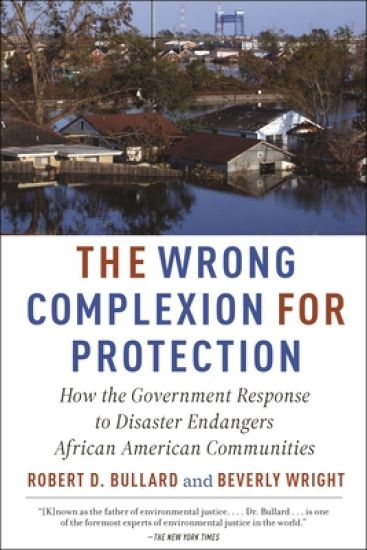
The Wrong Complexion for Protection

The Wrong Complexion for Protection

Robert D. Bullard; Beverly Wright

New York University Press
2012
sidottu
Uncovers the ways the United States government responds to natural and human-induced disasters in relation to race over the past eight decades When the images of desperate, hungry, thirsty, sick, mostly black people circulated in the aftermath of Hurricane Katrina, it became apparent to the whole country that race did indeed matter when it came to government assistance. In The Wrong Complexion for Protection, Robert D. Bullard and Beverly Wright place the government response to natural and human-induced disasters in historical context over the past eight decades. They compare and contrast how the government responded to emergencies, including environmental and public health emergencies, toxic contamination, industrial accidents, bioterrorism threats and show that African Americans are disproportionately affected. Bullard and Wright argue that uncovering and eliminating disparate disaster response can mean the difference between life and death for those most vulnerable in disastrous times.
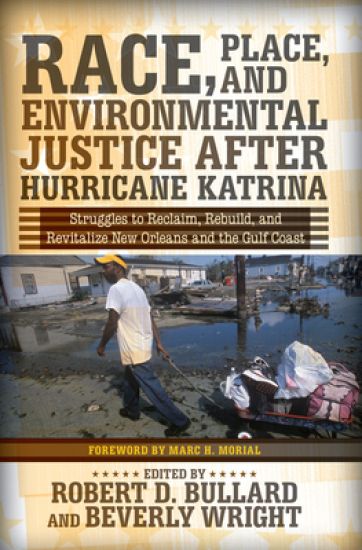
Race, Place, and Environmental Justice After Hurricane Katrina

Race, Place, and Environmental Justice After Hurricane Katrina

Robert D. Bullard; Beverly Wright

Westview Press Inc
2009
nidottu
On August 29, 2005, Hurricane Katrina made landfall near New Orleans leaving death and destruction across the Louisiana, Mississippi, and Alabama Gulf Coast counties. The lethargic and inept emergency response that followed exposed institutional flaws, poor planning, and false assumptions that are built into the emergency response and homeland security plans and programs. Questions linger: What went wrong? Can it happen again? Is our government equipped to plan for, mitigate, respond to, and recover from natural and manmade disasters? Can the public trust government response to be fair? Does race matter? Racial disparities exist in disaster response, cleanup, rebuilding, reconstruction, and recovery. Race plays out in natural disaster survivors' ability to rebuild, replace infrastructure, obtain loans, and locate temporary and permanent housing. Generally, low-income and people of color disaster victims spend more time in temporary housing, shelters, trailers, mobile homes, and hotels - and are more vulnerable to permanent displacement. Some 'temporary' homes have not proved to be that temporary. In exploring the geography of vulnerability, this book asks why some communities get left behind economically, spatially, and physically before and after disasters strike.