Kirjojen hintavertailu. Mukana 12 595 353 kirjaa ja 12 kauppaa.

Kirjailija

Bill Finlayson

Kirjat ja teokset yhdessä paikassa: 2 kirjaa, julkaisuja vuodelta 2010, suosituimpien joukossa Changing Natures. Vertaile teosten hintoja ja tarkista saatavuus suomalaisista kirjakaupoista.

2 kirjaa

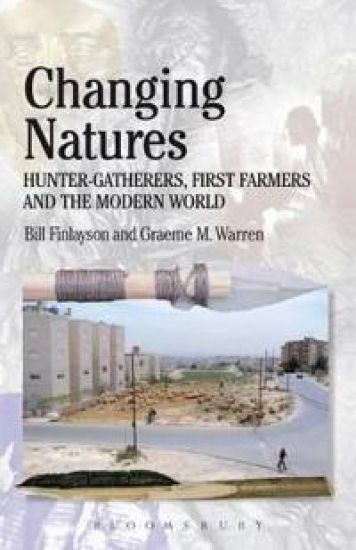
Changing Natures

Changing Natures

Bill Finlayson; Graeme M. Warren

Bristol Classical Press
2010
nidottu
The adoption of agriculture is often described as one of the most fundamental revolutions in human history, the starting point for urbanisation and specialisation. More recently the structure of the Neolithic mind has been proposed as a new cognitive revolution, separating us fundamentally from preceding hunter-gatherers. Without doubting that the so-called Neolithic Revolution was significant, it is important to question how we conceptualise it. This book focuses on two themes central to creating a rounded understanding of the transition: our understandings of hunter-gatherer diversity and change over time, with emphasis on the adoption of agriculture; and the relationships between our understandings of the modern world, and ourselves, and the models we impose on prehistory. The broad geographical perspective adopted here allows important comparisons to be made between two primary study areas, the Near East and Europe.
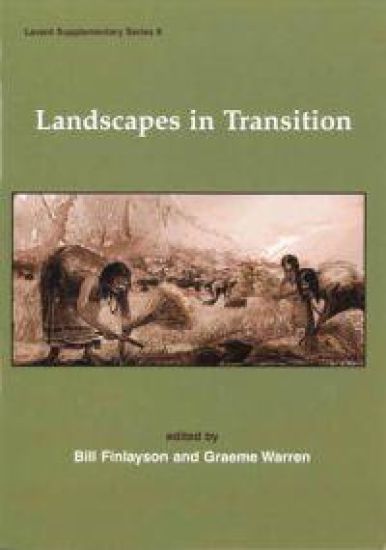
Landscapes in Transition

Landscapes in Transition

Bill Finlayson; Graeme Warren

Oxbow Books
2010
nidottu
This volume presents a collection of papers focusing on archaeological approaches to landscape in the context of the adoption of agriculture in Southwest Asia and Northwest Europe. Case studies are presented from these contrasting regions, one where the transition to farming is indigenous, and the other where the transformation is initiated externally. This allows us to consider to what extent hunter-gatherer and farmer landscapes may be different, or the degree to which apparent differences have been constructed by our expectations and traditions of interpretation. While the concept 'landscape' enjoys considerable popularity in archaeological interpretation, it is somewhat ill-defined and inconsistently used. Some have suggested that this fluidity allows landscape to be a 'usefully ambiguous concept' but at times there is a danger that this very ambiguity affords imprecision in our narratives. This is particularly important where differing traditions of archaeological interpretation meet, as, for example, in the transition from hunting and gathering to farming. The transition has been understood as a major division in archaeological practice and attitudes to 'landscape' across the transition reflect this dichotomy. The results of these debates are illuminating, and raise questions beyond the immediate geographical scope of the volume. The contrast between the two regions provides valuable comparisons between traditions of archaeological theory and interpretation and the bodies of evidence. Bill Finlayson is the Director of the Council for British Research in the Levant, Graeme Warren is a College Lecturer in the School of Archaeology, UCD, Ireland.