Kirjojen hintavertailu. Mukana 12 390 323 kirjaa ja 12 kauppaa.

Kirjailija

Biodun Jeyifo

Kirjat ja teokset yhdessä paikassa: 4 kirjaa, julkaisuja vuosilta 2009-2017, suosituimpien joukossa Wole Soyinka. Vertaile teosten hintoja ja tarkista saatavuus suomalaisista kirjakaupoista.

4 kirjaa

Kirjojen julkaisuhaarukka 2009-2017.

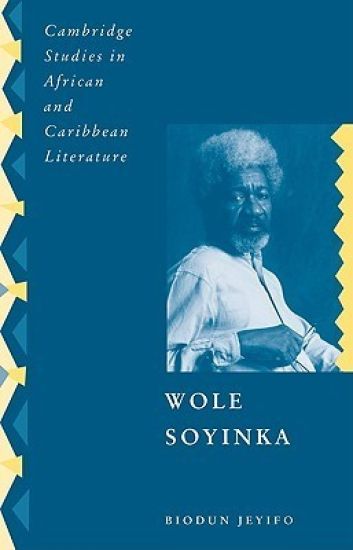
Wole Soyinka

Wole Soyinka

Biodun Jeyifo

Cambridge University Press
2009
pokkari
Biodun Jeyifo examines the connections between the innovative and influential writings of Wole Soyinka and his radical political activism. Jeyifo carries out detailed analyses of Soyinka's most ambitious works, relating them to the controversies generated by Soyinka's use of literature and theatre for radical political purposes. He gives a fascinating account of the profound but paradoxical affinities and misgivings Soyinka has felt about the significance of the avant-garde movements of the twentieth century. Jeyifo also explores Soyinka's works with regard to the impact on his artistic sensibilities of the pervasiveness of representational ambiguity and linguistic exuberance in Yoruba culture. The analyses and evaluations of this study are presented in the context of Soyinka's sustained engagement with the violence of collective experience in post-independence, postcolonial Africa and the developing world. No existing study of Soyinka's works and career has attempted such a systematic investigation of their complex relationship to politics.
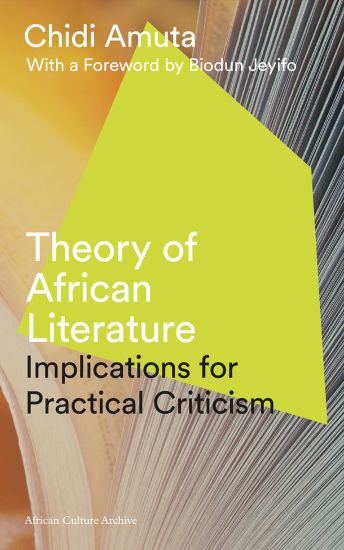
Theory of African Literature

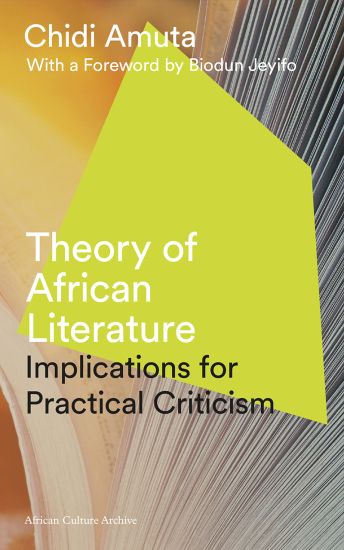
Theory of African Literature

Chidi Amuta; Biodun Jeyifo

Zed Books Ltd
2017
nidottu
This groundbreaking work, first published in 1989, was one of the first to challenge the conventional critical assessment of African literature, and remains highly influential today.Amuta's key argument is that African literature can be discussed only within the wider framework of the dismantling of colonial rule and Western hegemony in Africa. In exploring the possibility of a dialectical, alternative critical base, he draws upon both classical Marxist aesthetics and the theories of African culture espoused by Fanon, Cabral and Ngugi. From these explorations, Amuta derives a new language of criticism, which is then applied to works by modern African writers as diverse as Achebe, Ousmane, Agostinho Neto and Dennis Brutus.Amuta's highly original and innovative approach remains relevant not only for assessing the literature of developing countries, but for Marxist and postcolonial theories of literary criticism more generally. The author's elegance of argument and clarity of exposition makes this a distinguished and lasting contribution to debates around cultural expression in postcolonial Africa.
Theory of African Literature

Theory of African Literature

Chidi Amuta; Biodun Jeyifo

Zed Books Ltd
2017
sidottu
This groundbreaking work, first published in 1989, was one of the first to challenge the conventional critical assessment of African literature, and remains highly influential today.Amuta's key argument is that African literature can be discussed only within the wider framework of the dismantling of colonial rule and Western hegemony in Africa. In exploring the possibility of a dialectical, alternative critical base, he draws upon both classical Marxist aesthetics and the theories of African culture espoused by Fanon, Cabral and Ngugi. From these explorations, Amuta derives a new language of criticism, which is then applied to works by modern African writers as diverse as Achebe, Ousmane, Agostinho Neto and Dennis Brutus.Amuta's highly original and innovative approach remains relevant not only for assessing the literature of developing countries, but for Marxist and postcolonial theories of literary criticism more generally. The author's elegance of argument and clarity of exposition makes this a distinguished and lasting contribution to debates around cultural expression in postcolonial Africa.
The Oral Traditions in Ile -Ife

The Oral Traditions in Ile -Ife

Yemi D. Ogunyemi; Biodun Jeyifo

Academica Press
2009
sidottu
This research monograph discusses the understudied and often misunderstood aspects of West African culture and religion especially that of the Yoruba people and their ""Book of Enlightenment"" (Ife-Ifa) together with its metaphysical importance to the Yoruba as a source of philosophy, religion and literature. Coverage includes chapters on Yoruba origins and ancestry as described in the ""Ile-Ife"", the cultural and trading centers, the advent of Sacred Literature, referring to the importance of the oral literature. Next, ethical values are discussed and contemporary African anthropological and social science research is analyzed as a tool to describe Yoruba ethical values. ""The Royal Scrolls"" are discussed and their role in developing a written language and a school of philosophy is investigated. Material on naming [Olodumare and other divinities], family life, and the dispersal of the oral tradition to other neighboring regions conclude the work.