Kirjojen hintavertailu. Mukana 12 346 058 kirjaa ja 12 kauppaa.

Kirjailija

Björn Krondorfer

Kirjat ja teokset yhdessä paikassa: 7 kirjaa, julkaisuja vuosilta 1995-2020, suosituimpien joukossa Unsettling Empathy. Vertaile teosten hintoja ja tarkista saatavuus suomalaisista kirjakaupoista.

Mukana myös kirjoitusasut: Bjorn Krondorfer

7 kirjaa

Kirjojen julkaisuhaarukka 1995-2020.

Unsettling Empathy

Unsettling Empathy

Björn Krondorfer

Rowman Littlefield International
2020
nidottu
This book is an in-depth reflection and analysis on why and how unsettling empathy is a crucial component in reconciliatory processes. Located at the intersection of memory studies, reconciliation studies, and trauma studies, the book is at its core transdisciplinary, presenting a fresh perspective on how to conceive of concepts and practices when working with groups in conflict. The book Unsettling Empathy has come into being during a period of increasing cultural pessimism, where we witness the spread of populism and the rise of illiberal democracies that hark back to nationalist and ethnocentric narratives of the past. Because of this changed landscape, this book makes an important contribution to seeking fresh pathways toward an ethical practice of living together in light of past agonies and current conflicts. Within the specific context of working with groups in conflict, this book urges for an (ethical) posture of unsettling empathy. Empathy, which plays a vital role in these processes, is a complex and complicated phenomenon that is not without its critics who occasionally alert us to its dark side. The term empathy needs a qualifier to distinguish it from related phenomena such as pity, compassion, sympathy, benign paternalism, idealized identification, or voyeuristic appropriation. The word "unsettling" is just this crucial ingredient without which I would hesitate to bring empathy into our conversation.
Unsettling Empathy

Unsettling Empathy

Björn Krondorfer

Rowman Littlefield International
2020
sidottu
This book is an in-depth reflection and analysis on why and how unsettling empathy is a crucial component in reconciliatory processes. Located at the intersection of memory studies, reconciliation studies, and trauma studies, the book is at its core transdisciplinary, presenting a fresh perspective on how to conceive of concepts and practices when working with groups in conflict. The book Unsettling Empathy has come into being during a period of increasing cultural pessimism, where we witness the spread of populism and the rise of illiberal democracies that hark back to nationalist and ethnocentric narratives of the past. Because of this changed landscape, this book makes an important contribution to seeking fresh pathways toward an ethical practice of living together in light of past agonies and current conflicts. Within the specific context of working with groups in conflict, this book urges for an (ethical) posture of unsettling empathy. Empathy, which plays a vital role in these processes, is a complex and complicated phenomenon that is not without its critics who occasionally alert us to its dark side. The term empathy needs a qualifier to distinguish it from related phenomena such as pity, compassion, sympathy, benign paternalism, idealized identification, or voyeuristic appropriation. The word "unsettling" is just this crucial ingredient without which I would hesitate to bring empathy into our conversation.

Male Confessions

Male Confessions

Björn Krondorfer

Stanford University Press
2009
pokkari
Male Confessions examines how men open their intimate lives and thoughts to the public through confessional writing. This book examines writings—by St. Augustine, a Jewish ghetto policeman, an imprisoned Nazi perpetrator, and a gay American theologian—that reflect sincere attempts at introspective and retrospective self-investigation, often triggered by some wounding or rupture and followed by a transformative experience. Krondorfer takes seriously the vulnerability exposed in male self-disclosure while offering a critique of the religious and gendered rhetoric employed in such discourse. The religious imagination, he argues, allows men to talk about their intimate, flawed, and sinful selves without having to condemn themselves or to fear self-erasure. Herein lies the greatest promise of these confessions: by baring their souls to judgment, these writers may also transcend their self-imprisonment.
Male Confessions

Male Confessions

Björn Krondorfer

Stanford University Press
2009
sidottu
Male Confessions examines how men open their intimate lives and thoughts to the public through confessional writing. This book examines writings—by St. Augustine, a Jewish ghetto policeman, an imprisoned Nazi perpetrator, and a gay American theologian—that reflect sincere attempts at introspective and retrospective self-investigation, often triggered by some wounding or rupture and followed by a transformative experience. Krondorfer takes seriously the vulnerability exposed in male self-disclosure while offering a critique of the religious and gendered rhetoric employed in such discourse. The religious imagination, he argues, allows men to talk about their intimate, flawed, and sinful selves without having to condemn themselves or to fear self-erasure. Herein lies the greatest promise of these confessions: by baring their souls to judgment, these writers may also transcend their self-imprisonment.
Men and Masculinities in Christianity and Judaism
Bjorn Krondorfer, one of the leading scholars in this field, has collected 35 key texts that have shaped this field within the wider area of the study of gender, religion and culture. The texts in this critical reader engage actively and critically with the position of men in society and church, men's privileged relation to the sacred and to religious authority, the ideals of masculinity as engendered by religious discourse, and alternative trajectories of being in the world, whether spiritually, relationally or sexually. Each of the texts is introduced by the editor and accompanied by bibliographies that make this the ideal tool for study.
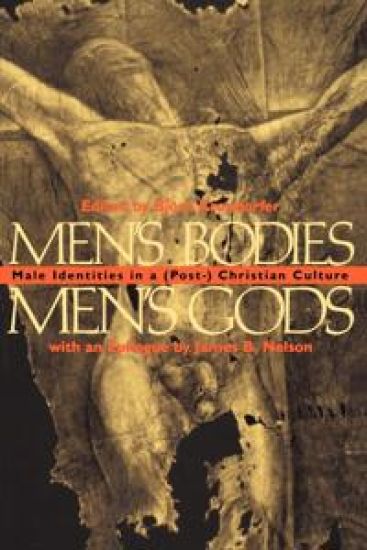
Men's Bodies, Men's Gods

Men's Bodies, Men's Gods

Bjorn Krondorfer

New York University Press
1996
sidottu
Men's Bodies, Men's Gods explores the intersection of body, religion, and culture from the specific perspective of male identities. How are male bodies constructed in different historical periods and contexts? How do race, ethnicity, and sexual preference impact on the intersection of male bodies and religious identity? Does Christianity provide models to cope with the aging and ailing male body? Does it provide models for intimacy between men and women? Between men and men? And, how do men reflect the carnal dimensions of power, abuse, and justice?
Remembrance and Reconciliation

Remembrance and Reconciliation

Björn Krondorfer

Yale University Press
1995
sidottu
While much has been written about the impact of the Holocaust on survivors and their children, little is known about how the Holocaust has affected the third generation of Jews and Germans—the grandchildren of those who lived during the Shoah. When these young people try to get to know one another, they find they must struggle against a heritage of hard truths and half-truths, varying family histories, and community-fostered pride and prejudices. In this book Björn Krondorfer, who grew up in Germany and now lives in the United States, analyzes the guilt, anger, embarrassment, shame, and anxiety experienced by third-generation Jews and Germans—emotions that often act as barriers to attempts to reconcile. He then describes the processes by which some of these young people have moved toward an affirmative and dynamic relationship.Krondorfer points out that relations between Jews and Germans since the war have consisted of an uneasy truce that does not address the deeply felt pain and anger of each group. He then shows how new relationships can be forged, providing detailed accounts of the group encounters he arranged between post-Shoah American Jews and Germans. He describes how the participants reacted to oral Holocaust testimonies and to public memorials to the Holocaust, the creative work of a Jewish-German modern dance group to which Krondorfer belonged, and finally the students' responses to a trip to Auschwitz, where they developed the courage necessary to trust and comfort one another. Krondorfer argues that friendships between young Jews and Germans can be fostered through creative models of communication and conflict-solving and that their road to reconciliation may become a model for other groups in conflict.