Kirjojen hintavertailu. Mukana 12 595 353 kirjaa ja 12 kauppaa.

Kirjailija

Bob Fischer

Kirjat ja teokset yhdessä paikassa: 15 kirjaa, julkaisuja vuosilta 2016-2026, suosituimpien joukossa Animal Ethics. Vertaile teosten hintoja ja tarkista saatavuus suomalaisista kirjakaupoista.

15 kirjaa

Kirjojen julkaisuhaarukka 2016-2026.

Animal Ethics

Animal Ethics

Bob Fischer

TAYLOR FRANCIS LTD
2026
nidottu
There are many introductions to animal ethics. There aren't many introductions to the practice of doing animal ethics. Bob Fischer's Animal Ethics: A Contemporary Introduction fills that gap, offering an accessible model of how animal ethics can be done today. The book takes up classic issues, such as the ethics of eating meat and experimenting on animals, but tackles them in an empirically informed and nuanced way. It also takes up relatively neglected issues, such as the possibility of insect sentience and the ethics of dealing with pests, and tries to evaluate practices using the moral frameworks endorsed by those involved rather than simply applying standard ethical theories. There are, for instance, chapters on animal care and use committees and on how international zoological societies justify compromising animal welfare. The Second Edition widens the book's analytical lens while adding richer tools for classroom use. A new chapter on conservation, Indigenous rights, and animals brings non-Western traditions into the conversation. Every chapter now includes a "Further Reflection" section with structured discussion questions. The book wraps up with a discussion of opportunities for action, and each chapter includes suggested readings to help students go further on their own.
Animal Ethics

Animal Ethics

Bob Fischer

TAYLOR FRANCIS LTD
2026
sidottu
There are many introductions to animal ethics. There aren't many introductions to the practice of doing animal ethics. Bob Fischer's Animal Ethics: A Contemporary Introduction fills that gap, offering an accessible model of how animal ethics can be done today. The book takes up classic issues, such as the ethics of eating meat and experimenting on animals, but tackles them in an empirically informed and nuanced way. It also takes up relatively neglected issues, such as the possibility of insect sentience and the ethics of dealing with pests, and tries to evaluate practices using the moral frameworks endorsed by those involved rather than simply applying standard ethical theories. There are, for instance, chapters on animal care and use committees and on how international zoological societies justify compromising animal welfare. The Second Edition widens the book's analytical lens while adding richer tools for classroom use. A new chapter on conservation, Indigenous rights, and animals brings non-Western traditions into the conversation. Every chapter now includes a "Further Reflection" section with structured discussion questions. The book wraps up with a discussion of opportunities for action, and each chapter includes suggested readings to help students go further on their own.
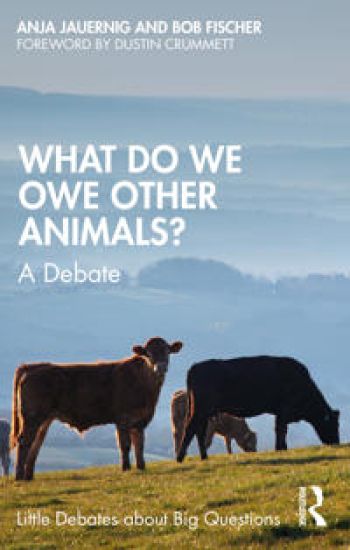
What Do We Owe Other Animals?

What Do We Owe Other Animals?

Bob Fischer; Anja Jauernig

TAYLOR FRANCIS LTD
2023
sidottu
Philosophers Bob Fischer and Anja Jauernig agree that human society often treats animals in indefensible ways and that all animals morally matter; they disagree on whether humans and animals morally matter equally. In What Do We Owe Other Animals?: A Debate, Fischer and Jauernig square off over this central question in animal ethics. Jauernig defends the view that all living beings morally matter equally and are owed compassion, on account of which we are also obligated to adopt a vegan diet. Fischer denies that we have an obligation to become vegans, and argues for the position that humans morally matter more than all other living creatures.The two authors each offer a clear, well-developed opening statement, a direct response to the other’s statement, and then a response to the other’s response. Along the way, they explore central questions, like: What kind of beings matter morally? What kind of obligations do we have towards other animals? How demanding can we reasonably expect these obligations to be? Do our individual consumer choices, such as the choice to purchase factory-farmed animal products, make a difference to the wellbeing of animals? The debate is helpfully framed by introductions and conclusions to each of the major parts and by smaller introductions to each of the sub-sections. A Foreword by Dustin Crummett sets the context for the debate within a larger discussion of sentience, moral standing, reason-guided compassion, and the larger field of animal ethics.Key FeaturesShowcases the presentation and defense of two points of view on the moral worth of non-human animalsProvides frequent summaries of previously covered materialIncludes a topically-organized list of Further Readings and a Glossary of all specialized vocabulary
What Do We Owe Other Animals?

What Do We Owe Other Animals?

Bob Fischer; Anja Jauernig

TAYLOR FRANCIS LTD
2023
nidottu
Philosophers Bob Fischer and Anja Jauernig agree that human society often treats animals in indefensible ways and that all animals morally matter; they disagree on whether humans and animals morally matter equally. In What Do We Owe Other Animals?: A Debate, Fischer and Jauernig square off over this central question in animal ethics. Jauernig defends the view that all living beings morally matter equally and are owed compassion, on account of which we are also obligated to adopt a vegan diet. Fischer denies that we have an obligation to become vegans, and argues for the position that humans morally matter more than all other living creatures.The two authors each offer a clear, well-developed opening statement, a direct response to the other’s statement, and then a response to the other’s response. Along the way, they explore central questions, like: What kind of beings matter morally? What kind of obligations do we have towards other animals? How demanding can we reasonably expect these obligations to be? Do our individual consumer choices, such as the choice to purchase factory-farmed animal products, make a difference to the wellbeing of animals? The debate is helpfully framed by introductions and conclusions to each of the major parts and by smaller introductions to each of the sub-sections. A Foreword by Dustin Crummett sets the context for the debate within a larger discussion of sentience, moral standing, reason-guided compassion, and the larger field of animal ethics.Key FeaturesShowcases the presentation and defense of two points of view on the moral worth of non-human animalsProvides frequent summaries of previously covered materialIncludes a topically-organized list of Further Readings and a Glossary of all specialized vocabulary
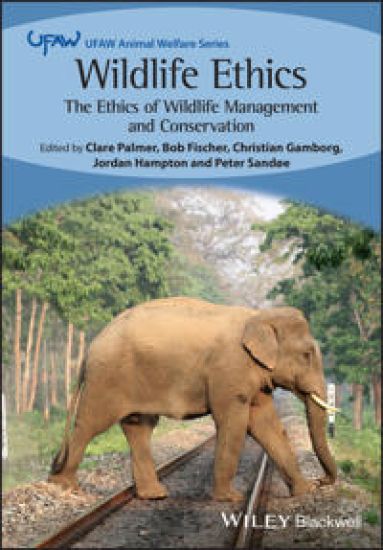
Wildlife Ethics

Wildlife Ethics

Clare Palmer; Bob Fischer; Christian Gamborg; Jordan Hampton; Peter Sandoe

JOHN WILEY AND SONS LTD
2023
nidottu
Wildlife Ethics A systematic account of the ethical issues related to wildlife management and conservation Wildlife Ethics is the first systematic, book-length discussion of the ethics of wildlife conservation and management, and examines the key ethical questions and controversies. Tackling both theory and practice, the text is divided into two parts. The first describes key concepts, ethical theories, and management models relating to wildlife; the second puts these concepts, theories, and models to work, illustrating their significance through detailed case studies on controversies in wildlife management and conservation. The book explores pressing topics including human responsibilities due to climate change, tradeoffs when managing zoonotic disease risks, the ethics of the wildlife trade, culling non-native species, indigenous wildlife use, and zoo-based conservation programs. Readers are encouraged to explore different ways of valuing wild animals and their practical implications. This essential text: Explains and explores relationships between valuing biodiversity, human utility, ecosystems, species, and animal welfareDescribes established approaches to wildlife management, such as sustainable use, and emerging concepts, such as compassionate conservationDiscusses key ethical theories, including utilitarianism, ecocentrism, and animal rightsOffers a practical model of how to analyze ethical issues in wildlife management and conservation Wildlife Ethics: The Ethics of Wildlife Management and Conservation is an accessible introduction to complex ethical issues, making the book an important resource for students in fields such as conservation biology, ecology, environmental science and policy, game management, public health and veterinary medicine. It will also be an invaluable tool for wildlife managers, conservationists, One Health practitioners, practicing veterinarians and animal rehabilitation staff, contemporary wildlife professionals and other stakeholders.
The Ethics of Eating Animals

The Ethics of Eating Animals

Bob Fischer

Taylor Francis Ltd
2021
nidottu
Intensive animal agriculture wrongs many, many animals. Philosophers have argued, on this basis, that most people in wealthy Western contexts are morally obligated to avoid animal products. This book explains why the author thinks that’s mistaken. He reaches this negative conclusion by contending that the major arguments for veganism fail: they don’t establish the right sort of connection between producing and eating animal-based foods. Moreover, if they didn’t have this problem, then they would have other ones: we wouldn’t be obliged to abstain from all animal products, but to eat strange things instead—e.g., roadkill, insects, and things left in dumpsters. On his view, although we have a collective obligation not to farm animals, there is no specific diet that most individuals ought to have. Nevertheless, he does think that some people are obligated to be vegans, but that’s because they’ve joined a movement, or formed a practical identity, that requires that sacrifice. This book argues that there are good reasons to make such a move, albeit not ones strong enough to show that everyone must do likewise.
Animal Ethics

Animal Ethics

Bob Fischer

Routledge
2021
sidottu
There are many introductions to the animal ethics literature. There aren’t many introductions to the practice of doing animal ethics. Bob Fischer’s Animal Ethics: A Contemporary Introduction fills that gap, offering an accessible model of how animal ethics can be done today. The book takes up classic issues, such as the ethics of eating meat and experimenting on animals, but tackles them in an empirically informed and nuanced way. It also covers a range of relatively neglected issues in animal ethics, such as the possibility of insect sentience and the ethics of dealing with pests. Finally, the book doesn’t assess every current practice using standard ethical theories, but tries to evaluate some of them using the moral frameworks endorsed by those involved. So, for instance, there is a chapter on the way that animal care and use committees try to justify some of the educational uses of animals, and the chapter on zoos considers the way that international zoological societies justify compromising animal welfare. The book wraps up with a discussion of the future of animal ethics. Each chapter opens with a helpful initial overview of the chapter and ends with a list of suggested readings to help students go further on their own. Key Features Covers animal ethics from an empirically informed perspective, bringing philosophy into conversation with key issues in animal science, conservation biology, economics, ethology, and legal studies, among other fields Provides ample coverage of the most salient current topics, including, for example: Debates about which animals are sentient The suffering of wild animals Research ethics The boundaries of activism Avoids suggesting that animal ethics is simply the practice of applying the right general theory to a problem, instead allowing readers to first work out the specific costs and benefits of making ethical decisions Impresses upon the reader the need for her to work out for herself the best way forward with difficult ethical issues, suggesting that progress can indeed be made Includes summaries and recommended readings at the end of each chapter
Animal Ethics

Animal Ethics

Bob Fischer

Routledge
2021
nidottu
There are many introductions to the animal ethics literature. There aren’t many introductions to the practice of doing animal ethics. Bob Fischer’s Animal Ethics: A Contemporary Introduction fills that gap, offering an accessible model of how animal ethics can be done today. The book takes up classic issues, such as the ethics of eating meat and experimenting on animals, but tackles them in an empirically informed and nuanced way. It also covers a range of relatively neglected issues in animal ethics, such as the possibility of insect sentience and the ethics of dealing with pests. Finally, the book doesn’t assess every current practice using standard ethical theories, but tries to evaluate some of them using the moral frameworks endorsed by those involved. So, for instance, there is a chapter on the way that animal care and use committees try to justify some of the educational uses of animals, and the chapter on zoos considers the way that international zoological societies justify compromising animal welfare. The book wraps up with a discussion of the future of animal ethics. Each chapter opens with a helpful initial overview of the chapter and ends with a list of suggested readings to help students go further on their own. Key Features Covers animal ethics from an empirically informed perspective, bringing philosophy into conversation with key issues in animal science, conservation biology, economics, ethology, and legal studies, among other fields Provides ample coverage of the most salient current topics, including, for example: Debates about which animals are sentient The suffering of wild animals Research ethics The boundaries of activism Avoids suggesting that animal ethics is simply the practice of applying the right general theory to a problem, instead allowing readers to first work out the specific costs and benefits of making ethical decisions Impresses upon the reader the need for her to work out for herself the best way forward with difficult ethical issues, suggesting that progress can indeed be made Includes summaries and recommended readings at the end of each chapter
Ethics, Left and Right: The Moral Issues That Divide Us
The only contemporary moral problems text to focus directly on the ethics of current, divisive political issues, Ethics, Left and Right features newly commissioned essays on twenty contentious debates, written expressly with undergraduate students in mind. It offers two position pieces on each issue--one left-leaning, one right--followed by a reply from each author, giving you and your students the opportunity to engage in in-depth discussions of serious issues. The essays cover compelling topics including whether we should have an "America First" approach to policy, whether it's okay to have religious tests for immigration, the merits of political correctness, the ethics of voting, whether progressive taxation is legitimate, and what to make of accusations of privilege. Case studies at the end of every main contribution encourage students to examine related problems and/or delve deeper into the current issue.
The Ethics of Eating Animals

The Ethics of Eating Animals

Bob Fischer

Routledge
2019
sidottu
Intensive animal agriculture wrongs many, many animals. Philosophers have argued, on this basis, that most people in wealthy Western contexts are morally obligated to avoid animal products. This book explains why the author thinks that’s mistaken. He reaches this negative conclusion by contending that the major arguments for veganism fail: they don’t establish the right sort of connection between producing and eating animal-based foods. Moreover, if they didn’t have this problem, then they would have other ones: we wouldn’t be obliged to abstain from all animal products, but to eat strange things instead—e.g., roadkill, insects, and things left in dumpsters. On his view, although we have a collective obligation not to farm animals, there is no specific diet that most individuals ought to have. Nevertheless, he does think that some people are obligated to be vegans, but that’s because they’ve joined a movement, or formed a practical identity, that requires that sacrifice. This book argues that there are good reasons to make such a move, albeit not ones strong enough to show that everyone must do likewise.
Wiffle Lever to Full!

Wiffle Lever to Full!

Bob Fischer

Hodder Paperback
2018
pokkari
'Personal and engaging . . . anyone who agrees that Star Wars was a defining moment of our collective childhood will love this book' - The Times'Funny and affectionate' - Time Out'Will have you hitching aboard the Millennium Falcon to a galaxy overflowing with infinite possibilities. ****' - Metro*************In 1981, the eight-year-old Bob Fischer was entranced by Daleks, Vogons and crack Imperial Stormtroopers. Almost three decades later, Bob decides to rekindle the affair with a tour of the UK's sci-fi and cult TV conventions. Freewheeling from Doctor Who to Discworld, Star Wars to Star Trek and Robin of Sherwood to Red Dwarf, he combines misty-eyed memories with a terrifying travelogue of terrible, torturous . . . terror. Or something. In space, no one can hear you scream. And don't expect much sympathy in Peterborough, either.
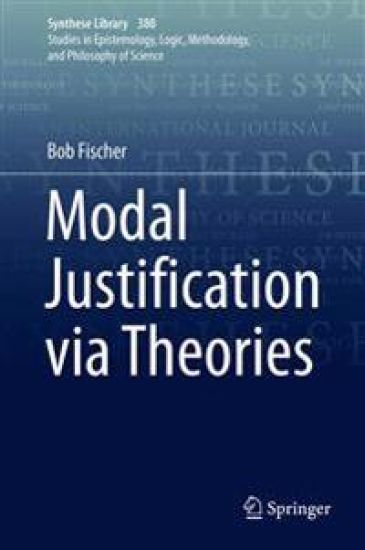
Modal Justification via Theories

Modal Justification via Theories

Bob Fischer

Springer International Publishing AG
2018
nidottu
This monograph articulates and defends a theory-based epistemology of modality (TEM). According to TEM, someone justifiably believe an interesting modal claim if and only if (a) she justifiably believes a theory according to which that claim is true, (b) she believes that claim on the basis of that theory, and (c) she has no defeaters for her belief in that claim. The book has two parts. In the first, the author motivates TEM, sets out the view in detail, and defends it against a number of objections. In the second, the author considers whether TEM is worth accepting. To argue that it is, the author sets out criteria for choosing between modal epistemologies, concluding that TEM has a number of important virtues. However, the author also concedes that TEM is cautious: it probably implies that we are not justified in believing some interesting modal claims that we might take ourselves to be justified in believing. This raises a question about TEM's relationship to Peter van Inwagen's modal skepticism, which the author explores in detail. As it turns out, TEM offers a better route to modal skepticism than the one that van Inwagen provides. But rather than being a liability, the author argues that this is a further advantage of the view. Moreover, he argues that other popular modal epistemologies do not fare better: they cannot easily secure more extensive modal justification than TEM. The book concludes by clarifying TEM’s relationship to the other modal epistemologies on offer, contending that TEM need not be a rival to those views, but can instead be a supplement to them.
Modal Justification via Theories

Modal Justification via Theories

Bob Fischer

Springer International Publishing AG
2016
sidottu
This monograph articulates and defends a theory-based epistemology of modality (TEM). According to TEM, someone justifiably believe an interesting modal claim if and only if (a) she justifiably believes a theory according to which that claim is true, (b) she believes that claim on the basis of that theory, and (c) she has no defeaters for her belief in that claim. The book has two parts. In the first, the author motivates TEM, sets out the view in detail, and defends it against a number of objections. In the second, the author considers whether TEM is worth accepting. To argue that it is, the author sets out criteria for choosing between modal epistemologies, concluding that TEM has a number of important virtues. However, the author also concedes that TEM is cautious: it probably implies that we are not justified in believing some interesting modal claims that we might take ourselves to be justified in believing. This raises a question about TEM's relationship to Peter van Inwagen's modal skepticism, which the author explores in detail. As it turns out, TEM offers a better route to modal skepticism than the one that van Inwagen provides. But rather than being a liability, the author argues that this is a further advantage of the view. Moreover, he argues that other popular modal epistemologies do not fare better: they cannot easily secure more extensive modal justification than TEM. The book concludes by clarifying TEM’s relationship to the other modal epistemologies on offer, contending that TEM need not be a rival to those views, but can instead be a supplement to them.