Kirjojen hintavertailu. Mukana 12 595 353 kirjaa ja 12 kauppaa.

Kirjailija

Bob Jeffrey

Kirjat ja teokset yhdessä paikassa: 11 kirjaa, julkaisuja vuosilta 1998-2021, suosituimpien joukossa Creative Learning in the Primary School. Vertaile teosten hintoja ja tarkista saatavuus suomalaisista kirjakaupoista.

11 kirjaa

Kirjojen julkaisuhaarukka 1998-2021.

Teachable Moments

Teachable Moments

Peter Woods; Bob Jeffrey

Routledge
2021
nidottu
Creative teaching is an art form – aesthetic, intuitive and expressive. The proliferation of new educational policies in the early 1990s and the related increase in tensions and dilemmas facing schools, combined with the growing demand for a wider range of skills and knowledge among children meant that there was an even greater need for creative teaching than before the National Curriculum. Originally published in 1996, this book addresses this need by: exploring the features of creative teaching with a focus on the day to day practice of primary teachers; showing how teachers used emotion, created atmosphere and stimulated imagination to enhance their teaching; examining the ways in which teachers managed the National Curriculum and developed a new professional discourse in response to government pressures at the time. This book is a sequel to Creative Teachers in Primary Schools and builds upon this work providing new insights into the art of teaching.
Restructuring Schools, Reconstructing Teachers

Restructuring Schools, Reconstructing Teachers

Peter Woods; Bob Jeffrey; Geoff Troman; Mari Boyle

Routledge
2021
nidottu
Drawing on wide ranging research this book, originally published in 1997, explores how the policy changes of previous years were affecting primary teachers and their work at the time. Within the context of worldwide restructuring, the thoughts, feelings and activities of teachers in their daily work are examined. The core argument is that what used to be a complex but fulfilling job distinguished by professional dilemmas, which are amenable to professional skill, had become increasingly marked by tension and constraint, which frustrates teacher creativity. While some teachers found new opportunities in the ‘new’ primary school, many used strategical and micro-political activity in order to cope, while others fell victim to stress and burnout. The authors argue that teachers’ own active involvement in policy change is required if their creative potential is to be realized. The book will still be of interest to teachers in primary schools, researchers and policy makers.
Teachable Moments

Teachable Moments

Peter Woods; Bob Jeffrey

Routledge
2019
sidottu
Creative teaching is an art form – aesthetic, intuitive and expressive. The proliferation of new educational policies in the early 1990s and the related increase in tensions and dilemmas facing schools, combined with the growing demand for a wider range of skills and knowledge among children meant that there was an even greater need for creative teaching than before the National Curriculum. Originally published in 1996, this book addresses this need by: exploring the features of creative teaching with a focus on the day to day practice of primary teachers; showing how teachers used emotion, created atmosphere and stimulated imagination to enhance their teaching; examining the ways in which teachers managed the National Curriculum and developed a new professional discourse in response to government pressures at the time. This book is a sequel to Creative Teachers in Primary Schools and builds upon this work providing new insights into the art of teaching.
Restructuring Schools, Reconstructing Teachers

Restructuring Schools, Reconstructing Teachers

Peter Woods; Bob Jeffrey; Geoff Troman; Mari Boyle

Routledge
2019
sidottu
Drawing on wide ranging research this book, originally published in 1997, explores how the policy changes of previous years were affecting primary teachers and their work at the time. Within the context of worldwide restructuring, the thoughts, feelings and activities of teachers in their daily work are examined. The core argument is that what used to be a complex but fulfilling job distinguished by professional dilemmas, which are amenable to professional skill, had become increasingly marked by tension and constraint, which frustrates teacher creativity. While some teachers found new opportunities in the ‘new’ primary school, many used strategical and micro-political activity in order to cope, while others fell victim to stress and burnout. The authors argue that teachers’ own active involvement in policy change is required if their creative potential is to be realized. The book will still be of interest to teachers in primary schools, researchers and policy makers.
Creative Learning in the Primary School

Creative Learning in the Primary School

Bob Jeffrey; Peter Woods

Routledge
2008
nidottu
Creative Learning in the Primary School uses ethnographic research to consider the main features of creative teaching and learning within the context of contemporary policy reforms. In particular, the authors are interested in the clash between two oppositional discourses - creativity and performativity - and how they are resolved in creative teacher practice. The book complements previous work by these authors on creative teaching by giving more consideration to creative learning.The first section of the book explores the nature of creative teaching and learning by examining four key features: relevance, control, ownership and innovation. The authors devote a chapter to each of these aspects, outlining their properties and illustrating them with a wide range of examples, mainly from recent practice in primary schools. The second section presents some instructive examples of schools promoting creative learning, and how creative primary schools have responded to the policy reforms of recent years. The chapters focus specifically on:how pupils act as a powerful resource for creative learning for each other and for their teachers; how teachers have appropriated the reforms to enhance their creativity;and how one school has moved over a period of ten years from heavy constraint to high creativity.The blend of analysis, case-study material and implications for practice will make this book attractive to primary teachers, school managers, policy makers, teacher educators and researchers.
Creative Learning in the Primary School

Creative Learning in the Primary School

Bob Jeffrey; Peter Woods

Routledge
2008
sidottu
Creative Learning in the Primary School uses ethnographic research to consider the main features of creative teaching and learning within the context of contemporary policy reforms. In particular, the authors are interested in the clash between two oppositional discourses - creativity and performativity - and how they are resolved in creative teacher practice. The book complements previous work by these authors on creative teaching by giving more consideration to creative learning.The first section of the book explores the nature of creative teaching and learning by examining four key features: relevance, control, ownership and innovation. The authors devote a chapter to each of these aspects, outlining their properties and illustrating them with a wide range of examples, mainly from recent practice in primary schools. The second section presents some instructive examples of schools promoting creative learning, and how creative primary schools have responded to the policy reforms of recent years. The chapters focus specifically on:how pupils act as a powerful resource for creative learning for each other and for their teachers; how teachers have appropriated the reforms to enhance their creativity;and how one school has moved over a period of ten years from heavy constraint to high creativity.The blend of analysis, case-study material and implications for practice will make this book attractive to primary teachers, school managers, policy makers, teacher educators and researchers.
Methodological Developments in Ethnography

Methodological Developments in Ethnography

Bob Jeffrey; Geoff Troman

JAI Press Inc.
2007
sidottu
What counts as ethnography and what counts as good ethnographic methodology are both highly contested. This volume brings together chapters presenting a diversity of views on some of the current debates and developments in the field. It does not try to present a single coherent view but, through its heterogeneity, illustrates the strength and impact of debate. The topics discussed include participant observation, research roles in fieldwork, access to places and people in research, ethical issues concerning anonymity and intimacy in research, generalization in ethnography, the use of video, developing stronger criteria for autoethnography, and the use of ethnography as a contribution to the generation and modification of indicators. Together the collection illustrates the strength and vitality of ethnography.
The Creative School

The Creative School

Bob Jeffrey; Peter Woods

Routledge
2003
sidottu
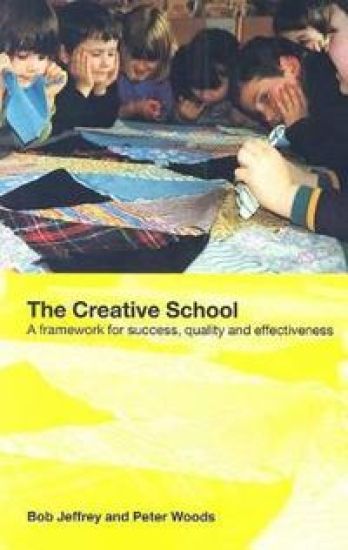
This book is about a unique school. It is a school that, despite the increasing pressure put upon it by changes in the curriculum and the organisation of education, has managed to successfully maintain the creative values that have won it international and governmental recognition.Written for teachers and headteachers who want to encourage creativity in their schools and classrooms, the book describes:the school's culture of holismits use and appreciation of its grounds and environment for learningits innovative approaches to curriculum organisationits appropriation of national initiatives such as the literacy and numeracy hoursits creative teaching and learning through the eyes of observers, teachers, children and parents.The success of Coombes School shows that it is possible to combine externally imposed prescription with a set of personal beliefs and values - making a real difference to the quality of teaching and learning. This is a truly inspirational read.
The Creative School

The Creative School

Bob Jeffrey; Peter Woods

Routledge
2003
nidottu
This book is about a unique school. It is a school that, despite the increasing pressure put upon it by changes in the curriculum and the organisation of education, has managed to successfully maintain the creative values that have won it international and governmental recognition.Written for teachers and headteachers who want to encourage creativity in their schools and classrooms, the book describes:the school's culture of holismits use and appreciation of its grounds and environment for learningits innovative approaches to curriculum organisationits appropriation of national initiatives such as the literacy and numeracy hoursits creative teaching and learning through the eyes of observers, teachers, children and parents.The success of Coombes School shows that it is possible to combine externally imposed prescription with a set of personal beliefs and values - making a real difference to the quality of teaching and learning. This is a truly inspirational read.
Testing Teachers

Testing Teachers

Bob Jeffrey; Peter Woods

Routledge Falmer
1998
sidottu
Since the 1992 Education Act inaugurated national arrangements for inspection, schools have operated within an 'inspection climate' which pervades every aspect of school life on a continual basis. The significance of OFSTED inspections cannot be overestimated. They are often the most challenging, searching, uncompromising and stressful events teacher have ever experienced. What effects do they have on teachers and their work, on their self and role, and on school policy and ethos? Drawing on case studies from contrasting primary schools over a three- year period, this book reveals how OFSTED inspections were received within primary schools. It meets the need for detailed, rigorous research into inspections and their effects on teachers.
Testing Teachers

Testing Teachers

Bob Jeffrey; Peter Woods

Routledge Falmer
1998
nidottu
Since the 1992 Education Act inaugurated national arrangements for inspection, schools have operated within an 'inspection climate' which pervades every aspect of school life on a continual basis. The significance of OFSTED inspections cannot be overestimated. They are often the most challenging, searching, uncompromising and stressful events teacher have ever experienced. What effects do they have on teachers and their work, on their self and role, and on school policy and ethos? Drawing on case studies from contrasting primary schools over a three- year period, this book reveals how OFSTED inspections were received within primary schools. It meets the need for detailed, rigorous research into inspections and their effects on teachers.