Kirjojen hintavertailu. Mukana 12 234 566 kirjaa ja 12 kauppaa.
Kirjailija
Bonnie Johnson
Kirjat ja teokset yhdessä paikassa: 7 kirjaa, julkaisuja vuosilta 2005-2023, suosituimpien joukossa My Mom Has Substance Use Disorder. Vertaile teosten hintoja ja tarkista saatavuus suomalaisista kirjakaupoista.
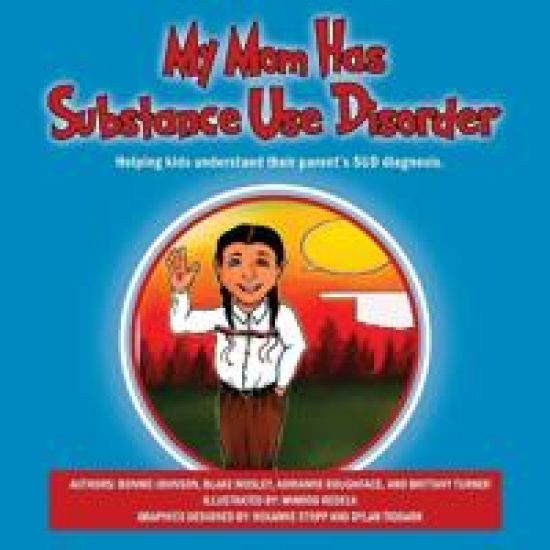
My Mom Has Substance Use Disorder is a story about a young Native American boy whose mother is suffering from Substance Use Disorder. Told from a youth perspective, the children's book is designed to help Native American communities discuss and understand Substance Use Disorder in efforts to promote recovery and healing.
My Mom Has Substance Use Disorder is a story about a young Native American boy whose mother is suffering from Substance Use Disorder. Told from a youth perspective, the children's book is designed to help Native American communities discuss and understand Substance Use Disorder in efforts to promote recovery and healing.
Misplaced Blame: Decades of Failing Schools, Their Children and Their Teachers examines the underlying causes of why schools fail. The book describes the challenges that teachers and their pupils encounter in an environment that is dictated by poverty and harsh, unfunded mandates. The volume illustrates that school failure reflects a lack of opportunities—nothing more. The book also discusses the changing role of teachers over the years and teacher-led efforts to improve their students’ circumstances.
Misplaced Blame: Decades of Failing Schools, Their Children and Their Teachers examines the underlying causes of why schools fail. The book describes the challenges that teachers and their pupils encounter in an environment that is dictated by poverty and harsh, unfunded mandates. The volume illustrates that school failure reflects a lack of opportunities—nothing more. The book also discusses the changing role of teachers over the years and teacher-led efforts to improve their students’ circumstances.
The Importance of Average calls attention to the policies and practices that discriminate against the silent majority of students in the American educational system. Arguments presented emphasize the collateral damage caused to average students by legislative mandates, administrative policies, teaching practices, parenting beliefs, and adherence to strict psychological constructs. Each of these factors has created a pervasive psycho-educational belief of average ability. The authors challenge what they consider as a pseudo-definition of 'average' that was brought about as an attempt by policymakers to test their way out of addressing the true inequities found in society. Further, the authors identify how educational policymakers have sacrificed the education of an entire class of students by creating the illusion that underachievement can be eliminated simply through lowering standards and examination pass rates. In chronicling the plight of average students, the authors capture the emotions and attitudes of teachers, parents, and students whose frustrations have been set aside in order to meet other special interests. The authors explore methods that provide students of average knowledge in any given area with the appropriate tools necessary for succeeding in school. Finally, the authors argue that there is no such thing as 'average' intelligence.
The Importance of Average calls attention to the policies and practices that discriminate against the silent majority of students in the American educational system. Arguments presented emphasize the collateral damage caused to average students by legislative mandates, administrative policies, teaching practices, parenting beliefs, and adherence to strict psychological constructs. Each of these factors has created a pervasive psycho-educational belief of average ability. The authors challenge what they consider as a pseudo-definition of 'average' that was brought about as an attempt by policymakers to test their way out of addressing the true inequities found in society. Further, the authors identify how educational policymakers have sacrificed the education of an entire class of students by creating the illusion that underachievement can be eliminated simply through lowering standards and examination pass rates. In chronicling the plight of average students, the authors capture the emotions and attitudes of teachers, parents, and students whose frustrations have been set aside in order to meet other special interests. The authors explore methods that provide students of average knowledge in any given area with the appropriate tools necessary for succeeding in school. Finally, the authors argue that there is no such thing as 'average' intelligence.
Trivializing Teacher Education: The Accreditation Squeeze presents a critical analysis of the National Council for Accreditation of Teacher Education (NCATE). This accreditation organization has been in existence for 50 years and claims to accredit approximately 700 teacher education programs that prepare two-thirds of the nation's teachers. There is no convincing research, however, that NCATE's 'stamp of approval' makes a difference in teacher preparation programs or in beginning teachers' competencies. There is evidence that NCATE is masterful at self-promotion, marketing, and aligning itself with policy-makers and politicians. This book illustrates the questionable NCATE processes and requirements and exposes the exorbitant costs accrued by universities seeking NCATE accreditation. It points out that the NCATE standards do not address the major issues that impact teaching and learning. The book highlights NCATE's support of teacher testing in the face of evidence that such tests lack predictive validity. It shows how NCATE is reaching out to accredit for-profit organizations and how it sends its evaluators to review international programs in the Middle East. The book calls on NCATE to make the professional backgrounds of its examiners, reviewers, board members, and staff transparent. It addresses the attention teacher educators must devote to mindless, trivial NCATE demands that usurp time that should be spent on their students and their research. This book urges teacher educators, college faculties and administrators, state education officials and legislators, parents of school-age children, and concerned citizens to open their eyes to this powerful organization, NCATE, and to examine what it has done to teacher education in the last half century.