Kirjojen hintavertailu. Mukana 12 390 323 kirjaa ja 12 kauppaa.

Kirjailija

Brad E. Kelle

Kirjat ja teokset yhdessä paikassa: 4 kirjaa, julkaisuja vuosilta 2011-2020, suosituimpien joukossa Telling the Old Testament Story. Vertaile teosten hintoja ja tarkista saatavuus suomalaisista kirjakaupoista.

Mukana myös kirjoitusasut: Brad E Kelle

4 kirjaa

Kirjojen julkaisuhaarukka 2011-2020.

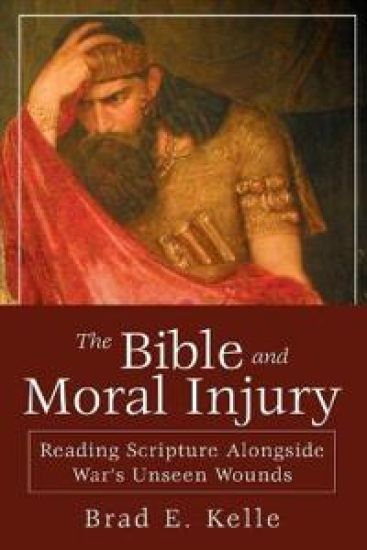
Bible and Moral Injury, The

Bible and Moral Injury, The

Brad E. Kelle

Abingdon Press
2020
nidottu
The Bible and Moral Injury offers an exploration (with case studies) of the interpretation of biblical texts, especially war-related narratives and ritual descriptions from the Old Testament, in conversation with research on the emerging notion of moral injury within psychology, military studies, philosophy, and ethics. This book explores two questions simultaneously: What happens when we read biblical texts, especially biblical stories of war and violence, in light of emerging research on moral injury?, and What does the study of biblical texts and their interpretation contribute to the emerging work on moral injury among other fields and with veterans, chaplains, and other practitioners? The book begins by explaining the concept of moral injury as it has developed within psychology, military studies, chaplaincy, and moral philosophy, especially through work with veterans of the U.S. military's wars in Afghanistan and Iraq. A major part of this work has been the attempt to identify means of healing, recovery, and repair for those morally injured by their experiences in combat or in similar situations. A key element for the book is that one feature of work on moral injury has been the appeal by psychologists and others to ancient texts and cultures for models of both the articulation of moral injury and possible means of prevention and healing. These appeals have, at times, referenced Old Testament texts that describe war-related rituals, practices, and experiences (e.g., Numbers 31). Additionally, work on moral injury within other fields has used ancient texts in another way--namely, as a means to offer creative re-readings of ancient literary characters as exemplars of warriors and experiences related to moral injury. For example, scholars have re-read the tales of Achilles and Odysseus in The Iliad and The Odyssey in dialogue with the experiences of American veterans of the Vietnam war and the moral struggles of combat and homecoming. Alongside these trends, consideration of moral injury has increasingly made its way into works on pastoral theology, Christian chaplaincy, and moral theology and ethics. These initial interpretive moves suggest a need for an extended and full-orbed examination of the interpretation of biblical texts in dialogue with the emerging formulation and practices of moral injury and recovery. This book will not simply be an effort to interpret various biblical texts through the lens of moral injury. It also seeks to explore and suggest what critical interpretation of the biblical texts can contribute to the work on moral injury going on not only among chaplains and pastoral theologians but also among psychologists, veterans' psychiatrists, and moral philosophers. In the end, The Bible and Moral Injury suggests that current formulations of moral injury provide a helpful lens for re-reading the Bible's texts related to war and violence but also that biblical texts and their interpretation offer resources for those working to understand and express the realities of moral injury and its possible means of healing and repair.
Telling the Old Testament Story

Telling the Old Testament Story

Brad E. Kelle

Abingdon Press
2017
nidottu
While honoring the historical context and literary diversity of the Old Testament, Telling the Old Testament Story is a thematic reading that construes the OT as a complex but coherent narrative. Unlike standard, introductory textbooks that only cover basic background and interpretive issues for each Old Testament book, this introduction combines a thematic approach with careful exegetical attention to representative biblical texts, ultimately telling the macro-level story, while drawing out the multiple nuances present within different texts and traditions. The book works from the Protestant canonical arrangement of the Old Testament, which understands the story of the Old Testament as the story of God and God's relationship with all creation in love and redemption--a story that joins the New Testament to the Old. Within this broader story, the Old Testament presents the specific story of God and God's relationship with Israel as the people called, created, and formed to be God's covenant partner and instrument within creation. The Old Testament begins by introducing God's mission in Genesis. The story opens with the portrait of God's good, intended creation of right-relationships (Gen 1--2) and the subsequent distortion of that good creation as a result of humanity's rebellion (Gen 3--11). Genesis 12 and following introduce God's commitment to restore creation back to the right-relationships and divine intentions with which it began. Coming out of God's new covenant engagement with creation in Gen 9, this divine purpose begins with the calling of a people (who turn out to be the manifold descendants of Abraham and Sarah) to be God's instrument of blessing for all creation and thus to reverse the curse brought on by sin. The diverse traditions that comprise the remainder of the Pentateuch then combine to portray the creation and formation of Israel as a people prepared to be God's instrument of restoration and blessing. As the subsequent Old Testament books portray Israel's life in the land and journey into and out of exile, the reader encounters complex perspectives on Israel's attempts to understand who God is, who they are as God's people, and how, therefore, they ought to live out their identity as God's people within God's mission in the world. The final prophetic books that conclude the Protestant Old Testament ultimately give the story of God's mission and people an open-ended quality, suggesting that God's mission for God's people continues and leading Christian readers to consider the New Testament's story of the Church as an extension and expansion of the broader story of God introduced in the Old Testament. The main methodological perspective that informs the book includes work on the phenomenological function of narrative (especially story's function to shape the identity and practice of the reader), as well as more recent so-called "missional" approaches to reading Christian scripture. Canonical criticism provides the primary means for relating the distinctive voices within the Old Testament texts that still honor the particularity and diversity of the discrete compositions. Accessibly written, this book invites readers to enter imaginatively into the biblical story and find the Old Testament's lively and enduring implications.
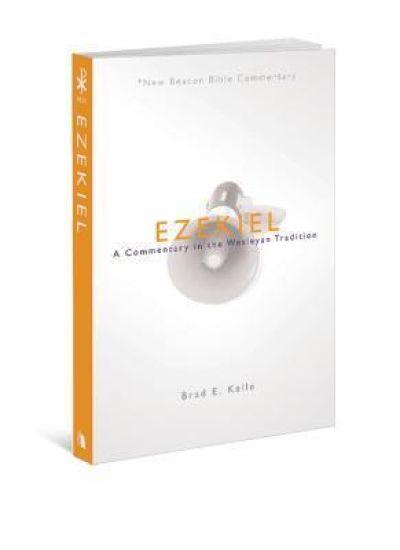
Ezekiel

Ezekiel

Brad E Kelle

Beacon Hill Press of Kansas City
2013
pokkari
The New Beacon Bible Commentary is an engaging, indispensable reference tool to aid individuals in every walk of life in the study and meditation of God's Word. Written from the Wesleyan theological perspective, it offers insight and perceptive scholarship to help you unlock the deeper truths of Scripture and garner an awareness of the history, culture, and context attributed to each book of study. Readable, relevant, and academically thorough, it offers scholars, pastors, and laity a new standard for understanding and interpreting the Bible in the 21st century.EACH VOLUME FEATURES: Completely New Scholarship from notable experts in the Wesleyan tradition Convenient Introductory Material for each book of the Bible including information on authorship, date, history, audience, sociological/cultural issues, purpose, literary features, theological themes, hermeneutical issues, and more Clear Verse-by-Verse Explanations, which offer a contemporary, Wesleyan-based understanding derived from the passage's original language Comprehensive Annotation divided into three sections, which cover background elements behind the text; verse-by-verse details and meanings found in the text; and significance, relevance, intertextuality, and application from the text Helpful Sidebars which provide deeper insight into theological issues, word meanings, archeological connections, historical relevance, cultural customs, and more Expanded Bibliography for further study of historical elements, additional interpretations, and theological themes The aim of this volume is to offer a distinctive engagement with the theological dynamics of the book for readers from the Wesleyan theological tradition, with a special eye to Ezekiel's use of Old Testament priestly theology to respond to the trauma associated with the Babylonian Exile.
Biblical History and Israel's Past

Biblical History and Israel's Past

Megan Bishop Moore; Brad E. Kelle

William B Eerdmans Publishing Co
2011
nidottu
Although scholars have for centuries primarily been interested in using the study of ancient Israel to explain, illuminate, and clarify the biblical story, Megan Bishop Moore and Brad E. Kelle describe how scholars today seek more and more to tell the story of the past on its own terms, drawing from both biblical and extrabiblical sources to illuminate ancient Israel and its neighbors without privileging the biblical perspective. Biblical History and Israel's Past provides a comprehensive survey of how study of the Old Testament and the history of Israel has changed since the middle of the twentieth century. Moore and Kelle discuss significant trends in scholarship, trace the development of ideas since the 1970s, and summarize major scholars, viewpoints, issues, and developments.