Kirjojen hintavertailu. Mukana 12 547 304 kirjaa ja 12 kauppaa.

Kirjailija

Bradley L. Herling

Kirjat ja teokset yhdessä paikassa: 4 kirjaa, julkaisuja vuosilta 2005-2016, suosituimpien joukossa A Beginner's Guide to the Study of Religion. Vertaile teosten hintoja ja tarkista saatavuus suomalaisista kirjakaupoista.

4 kirjaa

Kirjojen julkaisuhaarukka 2005-2016.

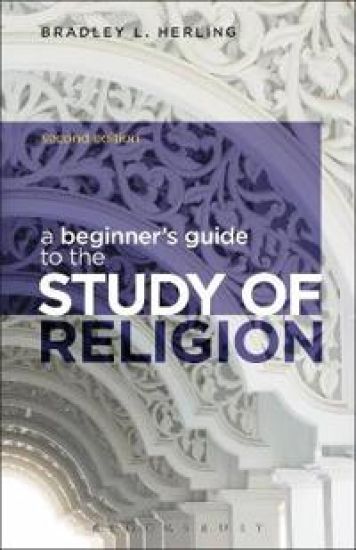
A Beginner's Guide to the Study of Religion

A Beginner's Guide to the Study of Religion

Bradley L. Herling

Bloomsbury Academic
2016
sidottu
How should we understand and interpret the strange but familiar thing that we call “religion”? What are the foundations of a methodical approach to this subject, and what theoretical tools are available to students who are new to this area of inquiry? A Beginner's Guide to the Study of Religion provides an accessible, wide-ranging introduction to theories and basic methodology in the field. Now in its second edition and updated throughout, this concise but comprehensive book includes:- - A case for the urgency and relevance of studying religion today- Discussion of the role and perspective of the student of religion- Description of the nature of theory and its function- An accessible survey of classic theorists in the modern study of religion- Feature boxes highlighting essential quotations and guiding principles for application of theories An expanded consideration of contemporary issues in the field, including gender, sexuality, race, ethnicity, globalization, violence, science, and new media.- Recommended further reading A Beginner's Guide to the Study of Religion offers a thorough but concise body of material suitable for introductory courses on the study of religion, or to provide theoretical context for survey courses. Study questions and worksheets can be found on the book's webpage.
A Beginner's Guide to the Study of Religion

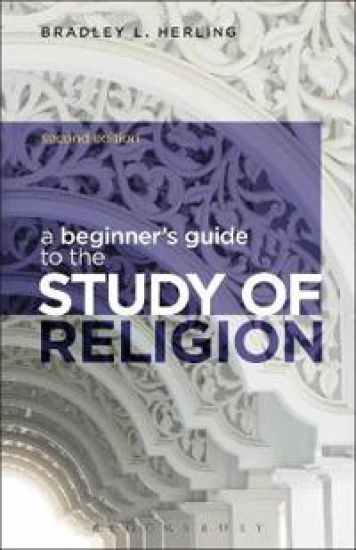
A Beginner's Guide to the Study of Religion

Bradley L. Herling

Bloomsbury Academic
2016
nidottu
How should we understand and interpret the strange but familiar thing that we call “religion”? What are the foundations of a methodical approach to this subject, and what theoretical tools are available to students who are new to this area of inquiry? A Beginner's Guide to the Study of Religion provides an accessible, wide-ranging introduction to theories and basic methodology in the field. Now in its second edition and updated throughout, this concise but comprehensive book includes:- - A case for the urgency and relevance of studying religion today- Discussion of the role and perspective of the student of religion- Description of the nature of theory and its function- An accessible survey of classic theorists in the modern study of religion- Feature boxes highlighting essential quotations and guiding principles for application of theories An expanded consideration of contemporary issues in the field, including gender, sexuality, race, ethnicity, globalization, violence, science, and new media.- Recommended further reading A Beginner's Guide to the Study of Religion offers a thorough but concise body of material suitable for introductory courses on the study of religion, or to provide theoretical context for survey courses. Study questions and worksheets can be found on the book's webpage.

The German Gita

The German Gita

Bradley L. Herling

Routledge
2009
nidottu
How did the Bhagavadgãtà first become an object of German philosophical and philological inquiry? How were its foundational concepts initially interpreted within German intellectual circles, and what does this episode in the history of cross-cultural encounter teach us about the status of comparative philosophy today? This book addresses these questions through a careful study of the figures who read, translated and interpreted the Bhagavadgãtà around the turn of the nineteenth century in Germany: J.G. Herder, F. Majer, F. Schlegel, A.W. Schlegel, W. von Humboldt, and G.W.F. Hegel. Methodologically, the study attends to the intellectual contexts and prejudices that framed the early reception of the text. But it also delves deeper by investigating the way these frameworks inflected the construction of the Bhagavadgãtà and its foundational concepts through the scholarly acts of excerpting, anthologization, and translation. Overall, the project contributes to the pluralization of Western philosophy and its history while simultaneously arguing for a continued critical alertness in cross-cultural comparison of philosophical and religious worldviews.
The German Gita

The German Gita

Bradley L. Herling

Routledge
2005
sidottu
How did the Bhagavadgãtà first become an object of German philosophical and philological inquiry? How were its foundational concepts initially interpreted within German intellectual circles, and what does this episode in the history of cross-cultural encounter teach us about the status of comparative philosophy today? This book addresses these questions through a careful study of the figures who read, translated and interpreted the Bhagavadgãtà around the turn of the nineteenth century in Germany: J.G. Herder, F. Majer, F. Schlegel, A.W. Schlegel, W. von Humboldt, and G.W.F. Hegel. Methodologically, the study attends to the intellectual contexts and prejudices that framed the early reception of the text. But it also delves deeper by investigating the way these frameworks inflected the construction of the Bhagavadgãtà and its foundational concepts through the scholarly acts of excerpting, anthologization, and translation. Overall, the project contributes to the pluralization of Western philosophy and its history while simultaneously arguing for a continued critical alertness in cross-cultural comparison of philosophical and religious worldviews.