Kirjojen hintavertailu. Mukana 12 390 323 kirjaa ja 12 kauppaa.

Kirjailija

Brassaï

Kirjat ja teokset yhdessä paikassa: 5 kirjaa, julkaisuja vuosilta 2001-2023, suosituimpien joukossa Henry Miller, Happy Rock. Vertaile teosten hintoja ja tarkista saatavuus suomalaisista kirjakaupoista.

Mukana myös kirjoitusasut: Brassai

5 kirjaa

Kirjojen julkaisuhaarukka 2001-2023.

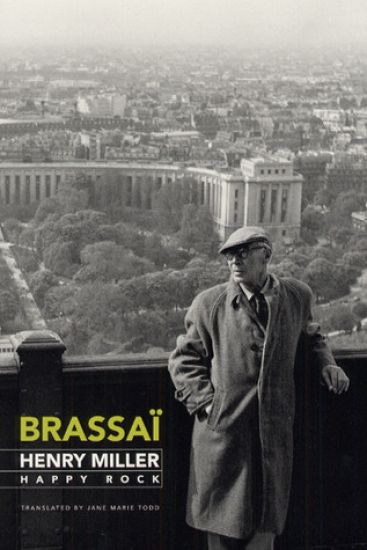
Henry Miller, Happy Rock

Henry Miller, Happy Rock

Brassai

University of Chicago Press
2002
sidottu
Henry Miller's advice to young artists is lovingly recalled by a dear friend in this powerful rembrance of a literary genius who has influenced so many writers, artists, and intellectuals. (Literature)
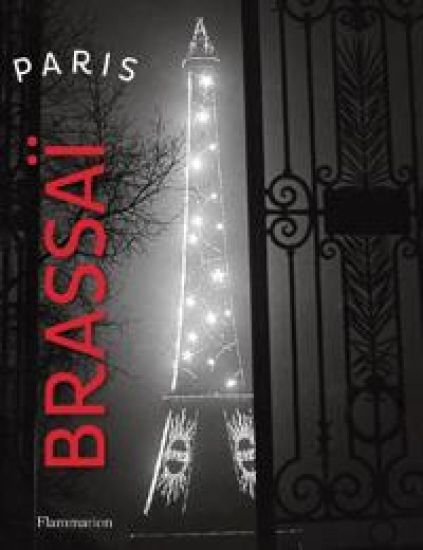
Paris Brassaï

Paris Brassaï

Brassaï

Flammarion
2017
nidottu
An affordable and attractive pocket volume of celebrated photographer Brassa 's most iconic photographs of Paris. Brassa 's photographs embody the very essence of Paris, from winsome children playing in Paris's public gardens to amorous couples on amusement park attractions, from opera and ballet stars to prostitutes and vagabonds, from cobblestone alleyways to ephemeral graffiti. Shortly before his death in 1984, Brassa described how the city of Paris had served as an infinite source of inspiration for him--a unifying theme that characterized each phase of his artistic oeuvre and lay at the very heart of his work. Through 120 photographs, this volume presents the diverse facets of Brassa 's beloved Paris: from the nostalgic city that he discovered as a child in the 1900s to the fleeting and ever-changing graffiti on the city's walls; from the revelers in the Bohemian bars and clubs of the Ann es Folles to his reciprocal artistic exchange with Picasso in their portrayals of 1930s Paris; and finally to Brassa 's vision of an eternal Paris, in which he captured everyday Parisians at leisure and elevated the familiar to the sublime.
Brassaï

Brassaï

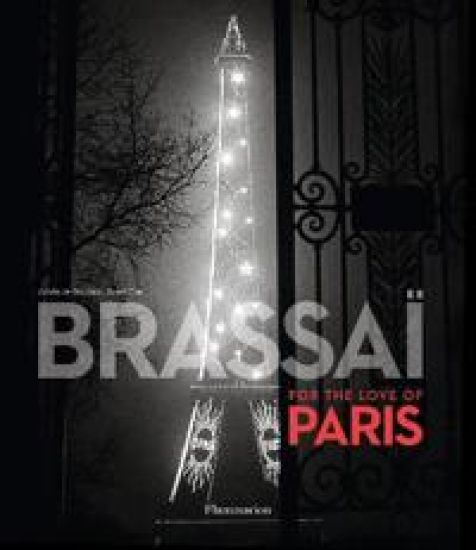
Brassaï; Agnès de Gouvion Saint-Cyr

Flammarion
2013
sidottu
Hungarian-born photographer Brassaï dedicated more than fifty years of his artistic creation to capturing his adoptive city in all its facets. From winsome children playing in the public gardens to amorous couple on amusement park attractions, from opera and ballet stars to prostitutes and vagrants, from cobblestone alleyways to ephemeral graffiti, his photographs embody the very essence of Paris. In an interview shortly before his death in 1984, he explained how Paris had served as an infinite source of inspiration and had reined as the unifying theme that characterized each phrase of his artistic work. He first discovered Paris as a child in the 1900s, during the time of Marcel Proust, and the city came alive as he walked the bucolic pathways of the Bois de Boulogne, took in the sites from the cross-town bus, or spent afternoons navigating a miniature sailboat in a pond in the Luxembourg gardens; he would later commemorate these childhood memories on film. Throughout the Roaring Twenties, Paris’s art scene was abuzz and upon his return from Berlin, Brassaï befriended Henry Miller, Dali, Picasso, Matisse, Giacometti, and Jacques Prévert, and produced some of his most iconic photographs of nocturnal Paris. He would go on to sublimate the individual neighborhoods and commemorate the enduring romance of the city with images of elegant window-shoppers on the rue de Rivoli, coal workers along the banks of the Seine, sunlight striking a contrast on the gargoyles of Notre Dame, velvety fog enveloping the Pont des Arts at night, or the pure majesty of monuments such as the Eiffel Tower or the Arc de Triomphe. In this new collection of his work, Agnès de Gouvian Saint-Cyr guides us expertly through Brassaï’s beloved Paris.
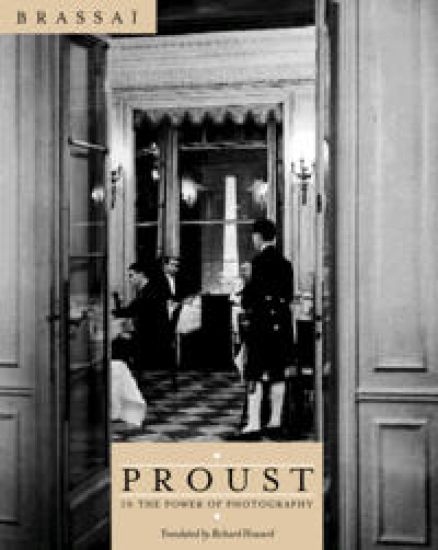
Proust in the Power of Photography

Proust in the Power of Photography

Brassai

University of Chicago Press
2001
sidottu
One of the most original and memorable photographers of the 20th century, Brassai was also a journalist, sculptor and writer. He took great pride in his writing, and he loved literature and language - French most of all. When he arrived in Paris in 1924, Brassai began teaching himself French by reading Proust. Captured by the sensuality and visual strategies of Proust's writing, Brassai soon became convinced that he had discovered a kindred spirit. Brassai wrote: "In his battle against Time, that enemy of our precarious existence, ever on the offensive though never openly so, it was in photography, also born out of an age-old longing to halt the moment, to wrest it from the flux of duration in order to "fix" it forever in a semblance of eternity, that Proust found his best ally". He quoted Proust in his own writing, and from the annotated books in his library, we know that he spent a lifetime studying and dissecting Proust's prose, often line by line. Drawing on his own experience as a photographer and author, Brassai discovers a neglected aspect of Proust's interests, offering us a fascinating study of the role of photography both in Proust's oeuvre and in early 20th-century culture. Brassai show us how Proust was excessively interested in possessing portraits of his acquaintances and how the process by which he remembered and wrote was quite similar to the ways on which photographs register and reveal life's images. This book - translated by Richard Howard - features previously obscure photographs from Brassai's High Society series and offers a rare glimpse into two of France's most fascinating artistic minds.