Kirjojen hintavertailu. Mukana 12 482 574 kirjaa ja 12 kauppaa.

Kirjailija

Brenda Phillips

Kirjat ja teokset yhdessä paikassa: 4 kirjaa, julkaisuja vuosilta 2013-2018, suosituimpien joukossa A Mate for Wade. Vertaile teosten hintoja ja tarkista saatavuus suomalaisista kirjakaupoista.

4 kirjaa

Kirjojen julkaisuhaarukka 2013-2018.

A Mate for Wade

A Mate for Wade

Brenda Phillips

Createspace Independent Publishing Platform
2018
nidottu
Tawny Reid, an award-winning photojournalist, known world-wide for her expertise with creating editorials through images. On assignment in Alaska, she decides to document the Arctic Wolves. Stranded in the Alaska wilderness, Tawny must find help and shelter before, she freezes to death.Wade Dillon, a mystery/crime author, has lived the last five-years as a recluse in Alaska. His only companions the Arctic Wolves. Wade feels a kindred-spirit with the beasts; due to an ancient family curse.Wade rescues Tawny and agrees to be her guide. He senses she's his salvation; the one woman who can love both, Wade the man and Wade the wolf.
Mennonite Disaster Service

Mennonite Disaster Service

Brenda Phillips

Lexington Books
2015
nidottu
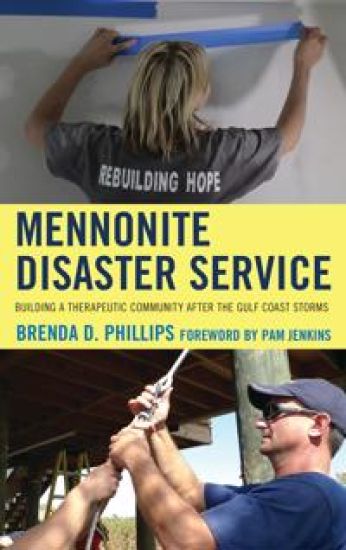
In the aftermath of a traumatic disaster, Mennonite Disaster Service arrives to help. Established in 1950, associated volunteers have gone into devastated communities to pick up debris, muck out homes, and launch rebuilding efforts. These volunteer efforts have succeeded in building more than homes, however. Called the “therapeutic community” by disaster researchers, acts of volunteerism can generate healing moments. Though most studies see such therapeutic effects happening right after disasters, this ethnographic study looks at long-term recovery assistance. Such extensive commitment results in beneficial consequences for survivors and their communities. For Mennonite Disaster Service volunteers, serving others reflects deeply upon their historic roots, cultural traditions, and theological belief system. In contrast to the corrosive blaming that erupted after hurricane Katrina, and feelings of neglect by those who experienced Rita and Ike, the arrival and long-term commitment of faith-based volunteers restored hope. This volume describes and explains how Mennonite Disaster Service organized efforts for the 2005 and 2008 Gulf Coast storms, following a well-established tradition of helping their neighbors. Based on deeply-ingrained religious beliefs, volunteers went to the coast for weeks, sometimes months, and often returned year after year. The quality of the construction work, coupled with the meaningful relationships they sought to build, generated trusting partnerships with communities struggling back from disaster. Based on five years of volunteer work by Mennonite Disaster Service, this volume demonstrates best practices for those who seek to do the same.
Mennonite Disaster Service

Mennonite Disaster Service

Brenda Phillips

Lexington Books
2013
sidottu
In the aftermath of a traumatic disaster, Mennonite Disaster Service arrives to help. Established in 1950, associated volunteers have gone into devastated communities to pick up debris, muck out homes, and launch rebuilding efforts. These volunteer efforts have succeeded in building more than homes, however. Called the “therapeutic community” by disaster researchers, acts of volunteerism can generate healing moments. Though most studies see such therapeutic effects happening right after disasters, this ethnographic study looks at long-term recovery assistance. Such extensive commitment results in beneficial consequences for survivors and their communities. For Mennonite Disaster Service volunteers, serving others reflects deeply upon their historic roots, cultural traditions, and theological belief system. In contrast to the corrosive blaming that erupted after hurricane Katrina, and feelings of neglect by those who experienced Rita and Ike, the arrival and long-term commitment of faith-based volunteers restored hope. This volume describes and explains how Mennonite Disaster Service organized efforts for the 2005 and 2008 Gulf Coast storms, following a well-established tradition of helping their neighbors. Based on deeply-ingrained religious beliefs, volunteers went to the coast for weeks, sometimes months, and often returned year after year. The quality of the construction work, coupled with the meaningful relationships they sought to build, generated trusting partnerships with communities struggling back from disaster. Based on five years of volunteer work by Mennonite Disaster Service, this volume demonstrates best practices for those who seek to do the same.