Kirjojen hintavertailu. Mukana 12 390 323 kirjaa ja 12 kauppaa.
Kirjailija
Brendan Sweetman
Kirjat ja teokset yhdessä paikassa: 14 kirjaa, julkaisuja vuosilta 1997-2022, suosituimpien joukossa Religion and Science: An Introduction. Vertaile teosten hintoja ja tarkista saatavuus suomalaisista kirjakaupoista.
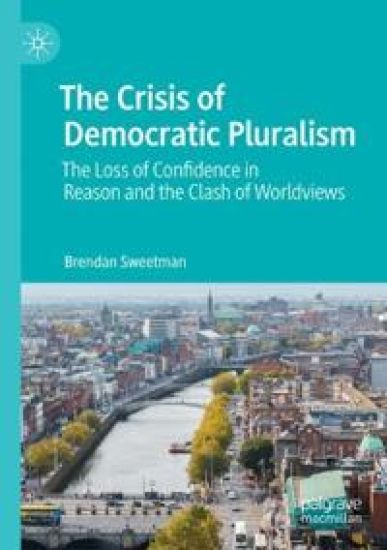
This book argues that contemporary liberal democracy is reaching a crisis. Brendan Sweetman contends that this crisis arises from a contentious pluralism involving the rise of incommensurable worldviews that emerge out of the absolutizing of freedom over time in a democratic setting. This clash of worldviews is further complicated by a loss of confidence in reason and by the practical failure of public discourse. A contributory factor is the growing worldview of secularism which needs to be distinguished from both the process of secularization and the concept of the secular state. After describing the crisis, and exploring these themes, and also rejecting proposed solutions from recent liberal political theory, Sweetman develops an approach to pluralist disagreement which requires a re-envisioning of the relationship between religion, secularism and politics, and which allows a limited place for all worldviews in the state, including religious worldviews. Engaging with the work of Philip Kitcher, Robert Audi, John Rawls, A.C. Grayling, Martin Luther King, Cécile Laborde, John Stuart Mill, John Locke, and Plato, Sweetman's approach is a formidable innovation in the quest to maintain a free and fair society.
This book argues that contemporary liberal democracy is reaching a crisis. Brendan Sweetman contends that this crisis arises from a contentious pluralism involving the rise of incommensurable worldviews that emerge out of the absolutizing of freedom over time in a democratic setting. This clash of worldviews is further complicated by a loss of confidence in reason and by the practical failure of public discourse. A contributory factor is the growing worldview of secularism which needs to be distinguished from both the process of secularization and the concept of the secular state. After describing the crisis, and exploring these themes, and also rejecting proposed solutions from recent liberal political theory, Sweetman develops an approach to pluralist disagreement which requires a re-envisioning of the relationship between religion, secularism and politics, and which allows a limited place for all worldviews in the state, including religious worldviews. Engaging with the work of Philip Kitcher, Robert Audi, John Rawls, A.C. Grayling, Martin Luther King, Cécile Laborde, John Stuart Mill, John Locke, and Plato, Sweetman's approach is a formidable innovation in the quest to maintain a free and fair society.
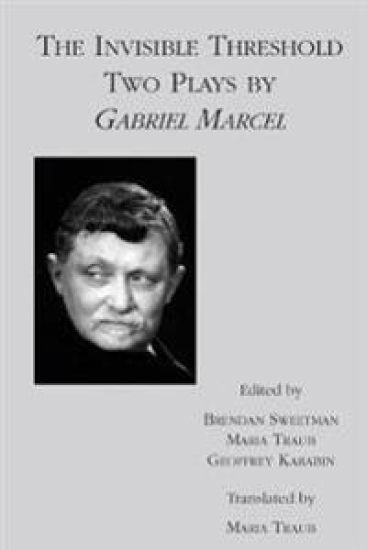
French philosopher and dramatist, Gabriel Marcel (1888-1973), who belonged to the movement of French existentialism, is one of the most insightful thinkers of the twentieth century. Unlike some of his contemporaries who took existentialism in an atheistic, even nihilistic, direction, Marcel approaches human existence from a theistic perspective, and gives priority to the themes of hope, fidelity and faith in the human search for meaning in a challenging world. Author of seventeen major works of philosophy, Marcel also wrote more than thirty plays, including tragedies and comedies, many of which were staged in theaters in Paris, Germany, Belgium, England, Ireland and the United States. Marcel regarded dramatic art as having priority in both a chronological and an intellectual sense. His plays deal with challenging experiences and issues of contention that arise between people, especially families, in day-to-day life. Describing his own style as “post-Ibsen,” because it involves a sense of realism, depictions of passion and sincerity, and a sense of moral duty, Marcel’s plays rarely provide complete or settled answers to the difficulties they confront, but suggest possibilities both of interpretation and with regard to the choices on life’s journey. One of his aims is to allow audiences (and readers) not only to arrive at their own conclusions, but to feel the echo of the dramatic action in their own lives, and so provoke both insight and critical reflection on the dramas of existence. The plays in this new volume were written early in his career, and were published together under the title Le Seuil invisible (The Invisible Threshold) in 1913. The first play, Grace, explores the theme of religious conversion. The drama depicts a crisis between characters of genuine depth and sincerity, who are struggling with different interpretations of shared experiences. After a serious illness, Gerard, one of the main protagonists, undergoes a religious conversion, an experience which allows of two different and irreconcilable interpretations. The first is the interpretation of the scientific materialist; the second regards Gerard’s illness not as a cause but as an occasion to exercise the subject’s creative freedom. The play also raises the question of grace: the role that God may play in the choice of faith. Marcel asks us to consider the sincerity of our choices, and those attitudes and temptations that play a role in our motivations, in a profound dramatization of the experience of the religious as it emerges through challenging life situations. Similar themes are addressed but developed differently in the second play, The Sandcastle. Through the character of Moirans, this drama explores the confrontation between one’s beliefs and their consequences when faced with challenging family and social circumstances. The play asks us to think about what happens when our beliefs and theories, especially about religion, morality and politics, come up against situations in life that can test them. Marcel raises issues of moral character, commitment and sincerity, and introduces the role doubt plays in the way we form and hold our convictions. The springboard for the unfolding of the drama is Moirans’ egotism, and his growing realization of the difference between accepting Christianity in an intellectual and cultural sense, and a Christianity that is lived. This predicament then provokes his daughter, Clarisse, into some profound soul-searching of her own. Drama of this profundity offers audiences and readers a mirror that reflects their own problems, which leads to further awareness and understanding. Marcel’s dramatic works deal with the difficulties in acknowledging many of life’s most profound experiences, in reacting to them in an authentic way, and often illustrates our failures with regard to them. One of the major themes of both his dramatic and philosophical work is that life’s most profound, fulfilling experiences are being compromised more than ever in what he describes as the modern, broken world (le monde cassé), one unfortunately characterized by alienation, loss of meaning and feelings of despair. These new plays of Marcel’s, here translated into English for the first time, will appeal to all who are interested in the role of grace in everyday life, in the influence of culture on belief, the relationship between faith and reason, the choice of faith in a secular world, and the struggle between inauthentic and authentic existence. Marcel raises profound questions about these and related topics, but does not offer final answers. In his plays, he leaves that to us.
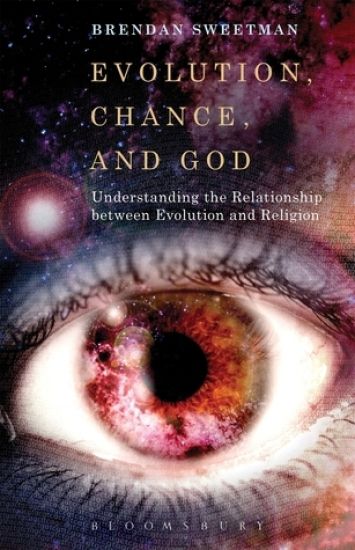
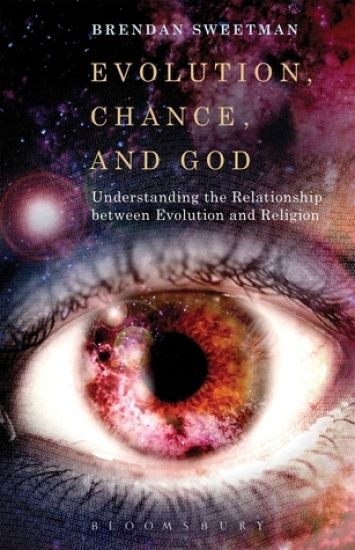
Evolution, Chance, and God looks at the relationship between religion and evolution from a philosophical perspective. This relationship is fascinating, complex and often very controversial, involving myriad issues that are difficult to keep separate from each other. Evolution, Chance, and God introduces the reader to the main themes of this debate and to the theory of evolution, while arguing for a particular viewpoint, namely that evolution and religion are compatible, and that, contrary to the views of some influential thinkers, there is no chance operating in the theory of evolution, a conclusion that has great significance for teleology. One of the main aims of this book is not simply to critique one influential contemporary view that evolution and religion are incompatible, but to explore specific ways of how we might understand their compatibility, as well as the implications of evolution for religious belief. This involves an exploration of how and why God might have created by means of evolution, and what the consequences in particular are for the status of human beings in creation, and for issues such as free will, the objectivity of morality, and the problem of evil. By probing how the theory of evolution and religion could be reconciled, Sweetman says that we can address more deeply key foundational questions concerning chance, design, suffering and morality, and God’s way of acting in and through creation.
Evolution, Chance, and God looks at the relationship between religion and evolution from a philosophical perspective. This relationship is fascinating, complex and often very controversial, involving myriad issues that are difficult to keep separate from each other. Evolution, Chance, and God introduces the reader to the main themes of this debate and to the theory of evolution, while arguing for a particular viewpoint, namely that evolution and religion are compatible, and that, contrary to the views of some influential thinkers, there is no chance operating in the theory of evolution, a conclusion that has great significance for teleology. One of the main aims of this book is not simply to critique one influential contemporary view that evolution and religion are incompatible, but to explore specific ways of how we might understand their compatibility, as well as the implications of evolution for religious belief. This involves an exploration of how and why God might have created by means of evolution, and what the consequences in particular are for the status of human beings in creation, and for issues such as free will, the objectivity of morality, and the problem of evil. By probing how the theory of evolution and religion could be reconciled, Sweetman says that we can address more deeply key foundational questions concerning chance, design, suffering and morality, and God’s way of acting in and through creation.
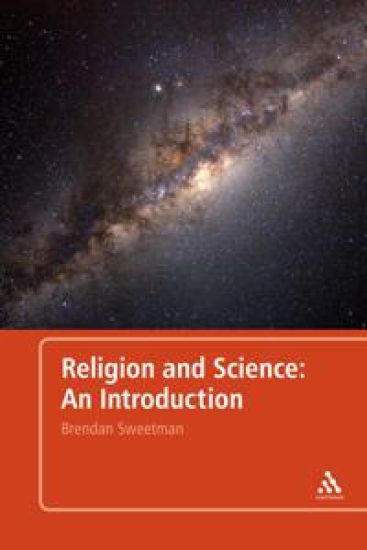
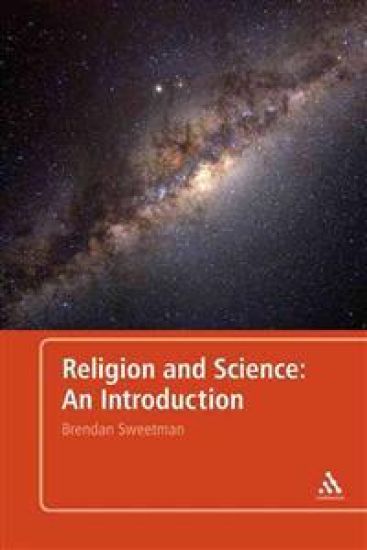
This is a one-stop resource for undergraduate students examining the many complexities of the relationship between religion and science. The relationship between religion and science is undoubtedly one of the key issues of our times. Many of the most puzzling, intriguing and thought-provoking questions that are the subject of often contentious discussion today, not just in intellectual circles, but in the culture at large, are related in some fundamental way to the religion/science debate/dialogue. It is an important debate for students of philosophy, theology and philosophy of religion. "Religion and Science: An Introduction" is a comprehensive and easy to use textbook on these intriguing issues. It is a one-stop resource for undergraduate students examining the many complexities of the relationship between religion and science.
This is a one-stop resource for undergraduate students examining the many complexities of the relationship between religion and science. The relationship between religion and science is undoubtedly one of the key issues of our times. Many of the most puzzling, intriguing and thought-provoking questions that are the subject of often contentious discussion today, not just in intellectual circles, but in the culture at large, are related in some fundamental way to the religion/science debate/dialogue. It is an important debate for students of philosophy, theology and philosophy of religion. "Religion and Science: An Introduction" is a comprehensive and easy to use textbook on these intriguing issues. It is a one-stop resource for undergraduate students examining the many complexities of the relationship between religion and science.
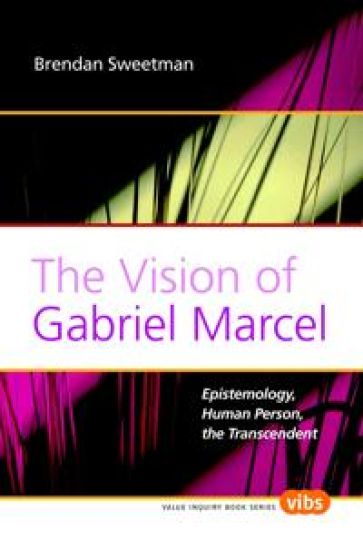
This book illustrates the profound implications of Gabriel Marcel’s unique existentialist approach to epistemology not only for traditional themes in his work concerning ethics and the transcendent, but also for epistemological issues, concerning the objectivity of knowledge, the problem of skepticism, and the nature of non-conceptual knowledge, among others. There are also chapters of dialogue with philosophers, Jacques Maritain and Martin Buber. In focusing on these themes, the book makes a distinctive contribution to the literature on Marcel.
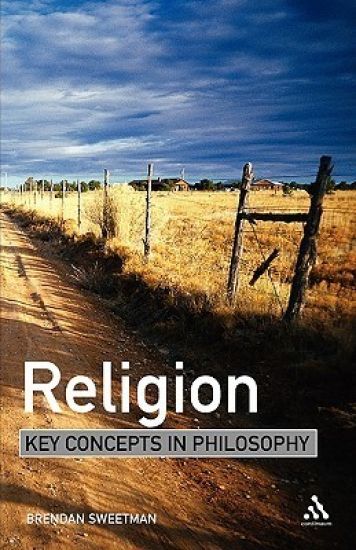
The philosophy of religion is a core area in the study of philosophy, as well as being a subject of growing contemporary interest. It encompasses some of the major and most complex philosophical questions. Does God exist? What is God's nature? Why does God allow evil? What is a religious experience? Are religion and science compatible? What relevance does evolution have for religious belief? It also covers questions concerning the challenge of religious pluralism, a topic of great contemporary relevance. Written with the specific needs of students new to philosophy in mind, Religion: Key Concepts in Philosophy covers the work of major thinkers and outlines clearly the central questions and arguments encountered in studying the philosophy of religion. This is an engaging and clear introduction to a major component of the undergraduate philosophy curriculum, as well as being an ideal support for general readers.
Key Concepts in Philosophy is a series of concise, accessible and engaging introductions to the core ideas and subjects encountered in the study of philosophy. Specially written to meet the needs of students and those with an interest in, but little prior knowledge of, philosophy, these books open up fascinating, yet sometimes difficult ideas. The series builds to give a solid grounding in philosophy and each book is also ideal as a companion to further study. A core area in the study of philosophy, the philosophy of religion is a subject of growing contemporary interest. It encompasses some of the most fascinating questions of all: does God exist?; what is God's nature?; why does God allow evil?; what is a religious experience?; are religion and science compatible?; what relevance does evolution have for religious belief?; and questions concerning the challenge of religious pluralism, a topic of great contemporary relevance. Written with the specific needs of students new to philosophy in mind, Religion: Key Concepts in Philosophy covers the work of major thinkers, and outlines clearly the central questions and arguments encountered in studying the philosophy of religion. This is an engaging and clear introduction to a major component of the undergraduate philosophy curriculum, as well as being an ideal support for general readers.
This book contains a thorough and balanced series of dialogues introducing key topics in philosophy of religion, such as: the existence and nature of God, the problem of evil, religious pluralism, the nature of religious experience, immortality, and the meaning of life. A realistic cast of characters in a natural setting engages in a series of thought-provoking conversations; the dialogue format of these conversations captures typical student attitudes and questions concerning religious belief; allows comparison of important themes throughout the dialogues; encourages the interjection of insights, observations, questions, and objections; and introduces related points when they would naturally arise, instead of relegating them to a later chapter. As well as presenting a detailed and probing discussion, each dialogue includes a list of key terms, a set of study questions, and a bibliography - all of which make this an excellent text for courses in philosophy of religion and introductory philosophy classes.
This book contains a thorough and balanced series of dialogues introducing key topics in philosophy of religion, such as: the existence and nature of God, the problem of evil, religious pluralism, the nature of religious experience, immortality, and the meaning of life. A realistic cast of characters in a natural setting engages in a series of thought-provoking conversations; the dialogue format of these conversations captures typical student attitudes and questions concerning religious belief; allows comparison of important themes throughout the dialogues; encourages the interjection of insights, observations, questions, and objections; and introduces related points when they would naturally arise, instead of relegating them to a later chapter. As well as presenting a detailed and probing discussion, each dialogue includes a list of key terms, a set of study questions, and a bibliography - all of which make this an excellent text for courses in philosophy of religion and introductory philosophy classes.