Kirjojen hintavertailu. Mukana 12 595 353 kirjaa ja 12 kauppaa.
Kirjailija
Brian Conroy
Kirjat ja teokset yhdessä paikassa: 3 kirjaa, julkaisuja vuosilta 1999-2018, suosituimpien joukossa You Don't Hear Me Complaining. Vertaile teosten hintoja ja tarkista saatavuus suomalaisista kirjakaupoista.
Playful, irreverent, and at turns poignant, these humorous essays burst with energy. Brian Conroy's hilarious portraits of Pamela Anderson, a pot-eating puppy, and his stint working in the lingerie department at Macy's are a wild ride. Flash back with him to his 8th grade dance where he busts moves with a mini-skirted teenybopper while dressed in a powder blue Nehru jacket. Ride shotgun with him in a self-driving car as he hurtles toward his death at age seven. Hang out with him in his high school shop class where he is surrounded by neanderthals, forced to conceal his true identity as a closeted singer. Throughout, Conroy shares his refreshing perspective through self-deprecating humor without veering into cynicism or mean-spiritedness. From anecdotes of his 1960's childhood to contemporary political musings, You Don't Hear Me Complaining is heartfelt, whimsical, and a total crack up.
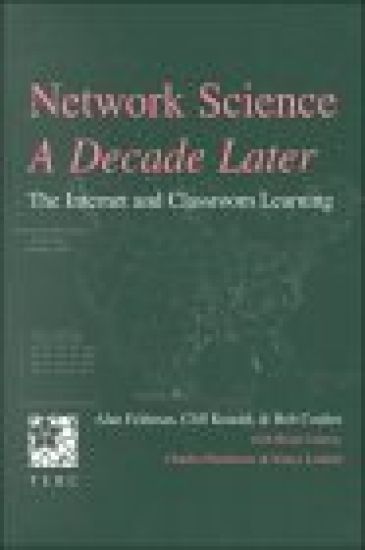
Network Science, A Decade Later--the result of NSF-funded research that looked at the experiences of a set of science projects which use the Internet--offers an understanding of how the Internet can be used effectively by science teachers and students to support inquiry-based teaching and learning. The book emphasizes theoretical and critical perspectives and is intended to raise questions about the goals of education and the ways that technology helps reach those goals and ways that it cannot. The theoretical perspective of inquiry-based teaching and learning in which the book is grounded is consistent with the current discipline-based curriculum standards and frameworks. The chapters in Part I, "State of the Art," describe the history and current practice of network science. Those in Part II, "Looking Deeply," extend the inquiry into network science by examining discourse and data in depth, using both empirical data and theoretical perspectives. In Part III, "Looking Forward," the authors step back from the issues of network science to take a broader view, focusing on the question: How should the Internet be used--and not used--to support student learning? The book concludes with a reminder that technology will not replace teachers. Rather, the power of new technologies to give students both an overwhelming access to resources--experts, peers, teachers, texts, images, and data--and the opportunity to pursue questions of their own design, increases the need for highly skilled teachers and forward-looking administrators. This is a book for them, and for all educators, policymakers, students involved in science and technology education. For more information about the authors, an archived discussions space, a few chapters that can be downloaded as PDF files, and ordering information, visit teaparty.terc.edu/book/
Network Science, A Decade Later--the result of NSF-funded research that looked at the experiences of a set of science projects which use the Internet--offers an understanding of how the Internet can be used effectively by science teachers and students to support inquiry-based teaching and learning. The book emphasizes theoretical and critical perspectives and is intended to raise questions about the goals of education and the ways that technology helps reach those goals and ways that it cannot. The theoretical perspective of inquiry-based teaching and learning in which the book is grounded is consistent with the current discipline-based curriculum standards and frameworks. The chapters in Part I, "State of the Art," describe the history and current practice of network science. Those in Part II, "Looking Deeply," extend the inquiry into network science by examining discourse and data in depth, using both empirical data and theoretical perspectives. In Part III, "Looking Forward," the authors step back from the issues of network science to take a broader view, focusing on the question: How should the Internet be used--and not used--to support student learning? The book concludes with a reminder that technology will not replace teachers. Rather, the power of new technologies to give students both an overwhelming access to resources--experts, peers, teachers, texts, images, and data--and the opportunity to pursue questions of their own design, increases the need for highly skilled teachers and forward-looking administrators. This is a book for them, and for all educators, policymakers, students involved in science and technology education. For more information about the authors, an archived discussions space, a few chapters that can be downloaded as PDF files, and ordering information, visit teaparty.terc.edu/book/