
Kirjailija
Brian L. Ott
Kirjat ja teokset yhdessä paikassa: 8 kirjaa, julkaisuja vuosilta 2007-2025, suosituimpien joukossa The Small Screen. Vertaile teosten hintoja ja tarkista saatavuus suomalaisista kirjakaupoista.
8 kirjaa
Kirjojen julkaisuhaarukka 2007-2025.

The Haunted West
Greg Dickinson; Eric Aoki; Brian L. Ott
THE UNIVERSITY OF ALABAMA PRESS
2024
sidottu
Offers a rich interpretation of the region’s vexed history through a detailed study of the commemorative practices enacted—and withheld—at a landmark American museum.

The Haunted West
Greg Dickinson; Eric Aoki; Brian L. Ott
THE UNIVERSITY OF ALABAMA PRESS
2024
nidottu
Offers a rich interpretation of the region’s vexed history through a detailed study of the commemorative practices enacted—and withheld—at a landmark American museum.
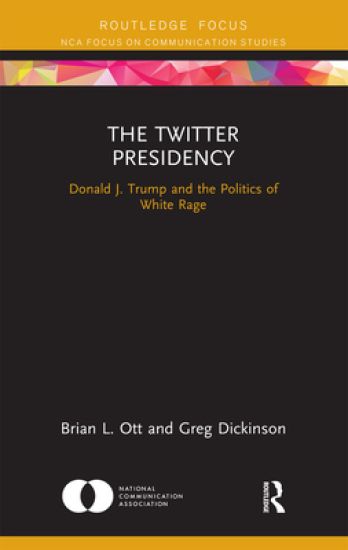
The Twitter Presidency explores the rhetorical style of President Donald J. Trump, attending to both his general manner of speaking as well as to his preferred modality. Trump’s manner, the authors argue, reflects an aesthetics of white rage, and it is rooted in authoritarianism, narcissism, and demagoguery. His preferred modality of speaking, namely through Twitter, effectively channels and transmits the affective dimensions of white rage by taking advantage of the platform’s defining characteristics, which include simplicity, impulsivity, and incivility. There is, then, a structural homology between Trump’s general communication practices and the specific platform (Twitter) he uses to communicate with his base. This commonality between communication practices and communication platform (manner and modality) struck a powerful emotive chord with his followers, who feel aggrieved at the decentering of white masculinity. In addition to charting the defining characteristics of Trump’s discourse, The Twitter Presidency exposes how Trump’s rhetorical style threatens democratic norms, principles, and institutions.
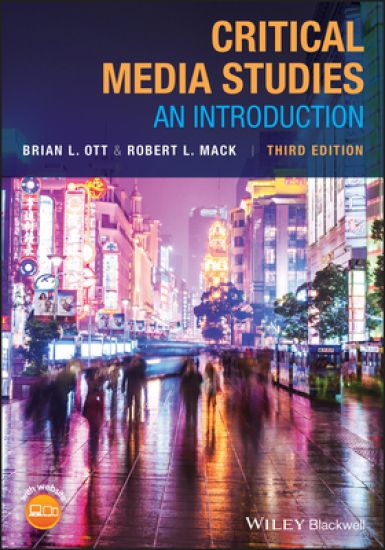
An engaging and accessible introduction to a broad range of critical approaches to contemporary mass media theory and research A decade after its first publication, Critical Media Studies continues toshape and define the field of media studies, offering innovative approaches that enable readers to explore the modern media landscape from a wide variety of perspectives. Integrating foundational theory and contemporary research, this groundbreaking text offers the most comprehensive set of analytical approaches currently available. Twelve critical perspectives—pragmatic, rhetorical, sociological, erotic, ecological, and others—enable readers to assess and evaluate the social and cultural consequences of contemporary media in their daily lives. The new third edition includes up-to-date content that reflects the current developments and cutting-edge research in the field. New or expanded material includes changing perceptions of race and gender, the impact of fandom on the media, the legacy of the television age, the importance of media literacy in the face of “fake news”, and developments in industry regulations and U.S. copyright law. This textbook: Presents clear, reader-friendly chapters organized by critical perspectiveFeatures up-to-date media references that resonate with modern readersIncorporates enhanced and updated pedagogical features throughout the textOffers extensively revised content for greater clarity, currency, and relevanceIncludes fully updated illustrations, examples, statistics, and further readings Critical Media Studies, 3rd Edition is the ideal resource for undergraduate students in media studies, cultural studies, popular culture, communication, rhetoric, and sociology, graduate students new to critical perspectives on the media, and scholars in the field.
The Twitter Presidency explores the rhetorical style of President Donald J. Trump, attending to both his general manner of speaking as well as to his preferred modality. Trump’s manner, the authors argue, reflects an aesthetics of white rage, and it is rooted in authoritarianism, narcissism, and demagoguery. His preferred modality of speaking, namely through Twitter, effectively channels and transmits the affective dimensions of white rage by taking advantage of the platform’s defining characteristics, which include simplicity, impulsivity, and incivility. There is, then, a structural homology between Trump’s general communication practices and the specific platform (Twitter) he uses to communicate with his base. This commonality between communication practices and communication platform (manner and modality) struck a powerful emotive chord with his followers, who feel aggrieved at the decentering of white masculinity. In addition to charting the defining characteristics of Trump’s discourse, The Twitter Presidency exposes how Trump’s rhetorical style threatens democratic norms, principles, and institutions.
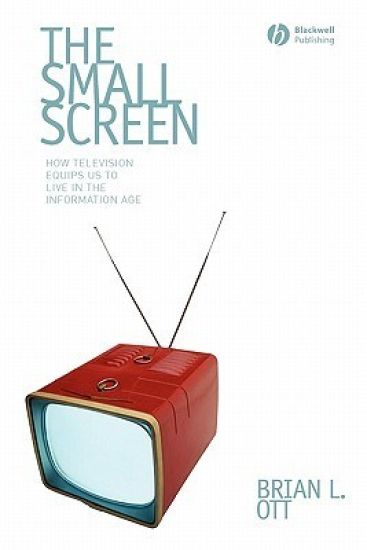
Television is one of the most important socializing forces in contemporary culture. This book is a cultural history of prime-time television in America during the 1990s. Examines changes that took place in programming, such as the rapid adoption of cable, the proliferation of content providers, the development of niche marketing, the introduction of high-definition television, the blurring of traditional genres, and the creation of new formats like reality-based programming Argues that television programmes of the 1990s afforded viewers a symbolic resource for negotiating the psychological challenges associated with the shift from the Industrial Age to the Information Age Explores the ways in which television provided viewers with tools for coming to terms with their fears about living in the fast-paced , increasingly diverse, information-laden society of the 90s
Television is one of the most important socializing forces in contemporary culture. This book is a cultural history of prime-time television in America during the 1990s. Examines changes that took place in programming, such as the rapid adoption of cable, the proliferation of content providers, the development of niche marketing, the introduction of high-definition television, the blurring of traditional genres, and the creation of new formats like reality-based programming Argues that television programmes of the 1990s afforded viewers a symbolic resource for negotiating the psychological challenges associated with the shift from the Industrial Age to the Information Age Explores the ways in which television provided viewers with tools for coming to terms with their fears about living in the fast-paced , increasingly diverse, information-laden society of the 90s