Kirjailija
Brian L Steed
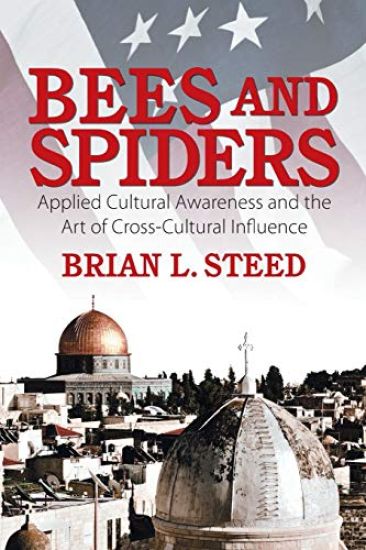
Kirjat ja teokset yhdessä paikassa: 7 kirjaa, julkaisuja vuosilta 2014-2025, suosituimpien joukossa Bees and Spiders. Vertaile teosten hintoja ja tarkista saatavuus suomalaisista kirjakaupoista.
Mukana myös kirjoitusasut: Brian L. Steed
7 kirjaa
Kirjojen julkaisuhaarukka 2014-2025.



Dangerous Narratives: Warfare, Strategy, Statecraft
Howard Gambrill Clark; Brian L. Steed; Thomas Drohan
Narrative Strategies Ink
2020
nidottu
Narrative directly impacts the threat environment whether in a physical conflict zone, or in terms of the effects of radicalization, or the interference of foreign governments in domestic politics. Therefore dominating the narrative space should be a priority. That is where non-state actors fight best. That is where foreign governments have proven effective in waging war against us without getting dirty hands. That is precisely where our enemies dominate, and no amount of firepower will create a win in that space. The center of gravity in any conflict is the narrative space. It always has been. But in the past we have mis-identified parts for the whole; just as terrorism is only one aspect of psychological warfare, so too psychological warfare is only one aspect of Narrative Warfare. Narrative Identity Theory is the basis of Narrative Warfare. Psychological, Information, Influence, and Stability Operations, are all aspects of Narrative Warfare. They fall under its domain. The most effective weapons in warfare have always been the ones that target the cognitive space because they are the most enduring. Kautilya in India in the 4th century BC refers to the psychologically based tactics and strategies of those before him, suggesting that the strategies may have been employed as early as 650 BC. Hits in the cognitive space were prescribed by Sun Tzu, practiced by Genghis Khan's armies, employed by Xerxes, the Persian General 2,500 years ago, by Hannibal more than 200 years before the birth of Christ. Native American tribes understood that their blood-curdling screams terrorized their enemies, thereby reducing their will to fight before the fight began. But hits in the cognitive space do more than produce a win before the bullets fly. It is a mistake to assume that narrative is only a non-kinetic strategy that belongs in the soft power toolbox. Narrative underlies any conflict, even the most kinetically oriented.
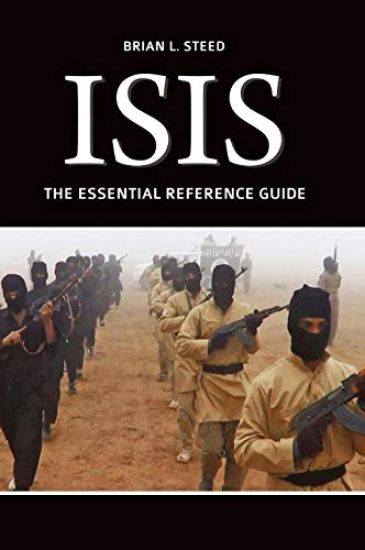
This illuminating work offers readers a comprehensive overview of ISIS, with more than 100 in-depth articles on a variety of topics related to the notorious terrorist group, and more than a dozen key primary source documents.ISIS formed through a combination of a rise in violent extremist ideologies demonstrated on September 11, 2001; the invasion of Iraq; and the Syrian Civil War. ISIS is possibly the most important conflict group and phenomena of the last half century, and understanding its source and success is crucial to functioning in the world today. This book provides insight into ISIS from its beginnings to the present, through coverage of its people, organizations, and operations.The book begins with an overview of ISIS, which provides context for each of the reference entries that follow. The introductory material also includes entries on the causes and consequences of the conflict between ISIS and the West. The book contains more than 100 reference entries on general and specific topics ranging from key leaders to major terrorist attacks and affiliated organizations. It also includes a carefully curated selection of primary sources that come from a variety of sources including national-level strategy documents, presidential addresses, and ISIS itself. The book concludes with a detailed chronology and annotated bibliography.
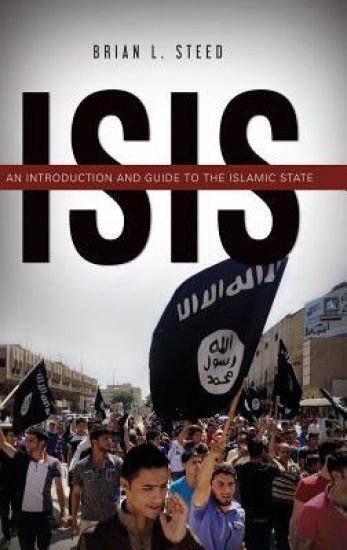
Providing up-to-date information for general readers as well as those well-informed about the Islamic State, this book offers an essential understanding of the rise of ISIS and its current influence in the Middle East as well as worldwide.ISIS—also referred to as ISIL, the Islamic State, or Daesh—began to assert its power and gain recognition for its militant and terroristic activities in April 2013. After the coordinated attacks in Paris on November 13th, 2015, ISIS has captured the full attention of observers in the West. This accessible book explains what ISIS is, what the group's goals are, what their members believe, and why their ranks are growing. Readers will gain an understanding of how ISIS is a unique group—one seeking to be the army of the righteous fighting to defeat the unbelievers and usher in the end of days—but that the extremist views of ISIS are an expression of a growing frustration with life in the Middle East and elsewhere shared by a larger community of non-state and post-state actors.The book provides an introduction that documents the origins of ISIS within the larger Al Qaeda organization during the Iraq War. The following chapters discuss the origins, development, and territorial expansion of ISIS in Syria and Iraq and examine the ideological motivations behind the emergence of ISIS, thereby enabling a nuanced understanding of the importance of ISIS in contemporary history. Other entries discuss individuals, events, and organizations that put ISIS in historical context in terms of contemporary events since the Iraq War into the present and explain the group's position within the complex conflict currently boiling in the Middle East.