Kirjojen hintavertailu. Mukana 12 125 895 kirjaa ja 12 kauppaa.

Kirjailija

Brian Leftow

Kirjat ja teokset yhdessä paikassa: 6 kirjaa, julkaisuja vuosilta 2009-2026, suosituimpien joukossa Anselm's Argument. Vertaile teosten hintoja ja tarkista saatavuus suomalaisista kirjakaupoista.

6 kirjaa

Kirjojen julkaisuhaarukka 2009-2026.

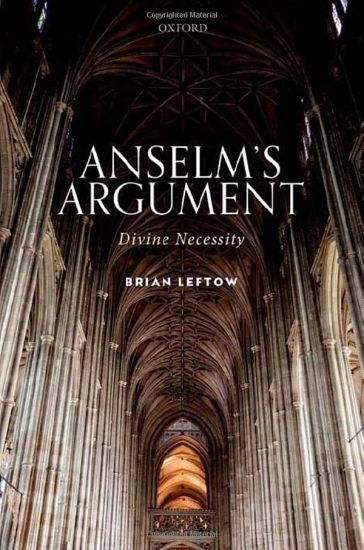
Anselm's Argument

Anselm's Argument

Brian Leftow

Oxford University Press
2022
sidottu
Anselm of Canterbury gave the first "modal" ontological argument for God's existence. Here, Brian Leftow defends all premises of this argument save the claim that possibly God exists. He in particular defends the premise that God would exist with absolute or metaphysical necessity against all extant and some new objections, and provides new arguments for it. Leftow contends that Anselm's argument requires the Brouwer system of modal logic, and argues that this is part of the correct logic for "absolute," "broadly logical" or "metaphysical" modality. As part of making clear what Anselm's argument is, he contends that Anselm works with this kind of modality, and argues that Anselm provides adequate truthmakers for claims in this modality.
Anselm's Proof

Anselm's Proof

Brian Leftow

Oxford University Press
2026
sidottu
Anselm's Proof provides a new analysis and a thorough defence of the first "ontological" argument for God's existence, given by Anselm in his Proslogion. It shows that Anselm's background ontology is Meinongian, how to read the argument in light of this, and that Anselm's argument is logically valid. It also demonstrates that one can retool the argument without its Meinongian ontology and preserve its validity. The volume then rebuts all extant objections to the argument. Many accuse the argument of begging the question, but Anselm's Proof considers a wide variety of views of what it is to beg the question, and shows that Anselm's argument does not do so on any good understanding of this fallacy. Many dismiss Anselm's argument by offering parodies which "prove" the existence of various entities. Anselm's Proof provides a detailed, thorough discussion of parody objections, contending that no parody of the Proslogion argument succeeds in showing it to be a bad one. Many have thought that Kant's dictum that "existence is not a predicate" is the death-knell of all "ontological" arguments, but Anselm's Proof shows that Kant's claim is just irrelevant to Proslogion. The volume also acquits the Proslogion argument of charges by Aquinas and current Meinongians. The upshot is that no objection so far brought defeats the Proslogion argument. Anselm's Proof also provides support for two of the Proslogion argument's three premises. Thus if Anselm's Proof is correct, the success of Anselm's project hinges entirely on how well one can support the final premise.
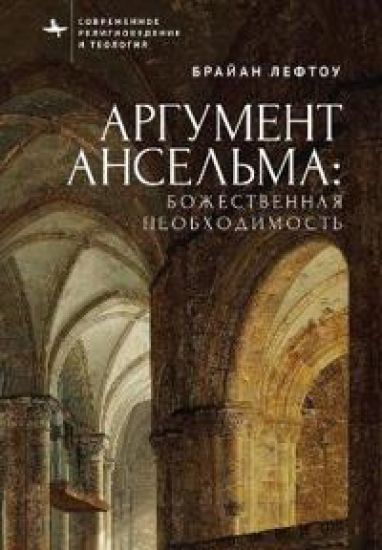
Anselm’s Argument

Anselm’s Argument

Brian Leftow

Academic Studies Press
2026
sidottu
???? ?? ???????????? ?????-???? ??????????? ????????, ??? ????????????? ???? ?? ????????? ???????????»: ?????????????? ???????? ? ?????? ????????????? ????, ???????????????? ????????? ????????? ???????????????, ?? ??? ??? ?????????? ??? ?????????. ?????? ?????? ? ????? ????? ??????? ????? ?????? ? ?????? ????? ?????????. ????? ?????? ????? ????? ??? ??????: ????????? ????????? ??????????? ? ????????????? ? ????????? ???????? ? ????????, ??? ? ??? ?????? ????????????? ???????????? ???????? ????????????? ?????????.
God and Necessity

God and Necessity

Brian Leftow

Oxford University Press
2015
nidottu
Brian Leftow offers a theory of the possible and the necessary in which God plays the chief role, and a new sort of argument for God's existence. It has become usual to say that a proposition is possible just in case it is true in some 'possible world' (roughly, some complete history a universe might have) and necessary just if it is true in all. Thus much discussion of possibility and necessity since the 1960s has focussed on the nature and existence (or not) of possible worlds. God and Necessity holds that there are no such things, nor any sort of abstract entity. It assigns the metaphysical 'work' such items usually do to God and events in God's mind, and reduces 'broadly logical' modalities to causal modalities, replacing possible worlds in the semantics of modal logic with God and His mental events. Leftow argues that theists are committed to theist modal theories, and that the merits of a theist modal theory provide an argument for God's existence. Historically, almost all theist modal theories base all necessary truth on God's nature. Leftow disagrees: he argues that necessary truths about possible creatures and kinds of creatures are due ultimately to God's unconstrained imagination and choice. On his theory, it is in no sense part of the nature of God that normal zebras have stripes (if that is a necessary truth). Stripy zebras are simply things God thought up, and they have the nature they do simply because that is how God thought of them. Thus Leftow's essay in metaphysics takes a half-step toward Descartes' view of modal truth, and presents a compelling theist theory of necessity and possibility.
God and Necessity

God and Necessity

Brian Leftow

Oxford University Press
2012
sidottu
Brian Leftow offers a theory of the possible and the necessary in which God plays the chief role, and a new sort of argument for God's existence. It has become usual to say that a proposition is possible just in case it is true in some 'possible world' (roughly, some complete history a universe might have) and necessary just if it is true in all. Thus much discussion of possibility and necessity since the 1960s has focussed on the nature and existence (or not) of possible worlds. God and Necessity holds that there are no such things, nor any sort of abstract entity. It assigns the metaphysical 'work' such items usually do to God and events in God's mind, and reduces 'broadly logical' modalities to causal modalities, replacing possible worlds in the semantics of modal logic with God and His mental events. Leftow argues that theists are committed to theist modal theories, and that the merits of a theist modal theory provide an argument for God's existence. Historically, almost all theist modal theories base all necessary truth on God's nature. Leftow disagrees: he argues that necessary truths about possible creatures and kinds of creatures are due ultimately to God's unconstrained imagination and choice. On his theory, it is in no sense part of the nature of God that normal zebras have stripes (if that is a necessary truth). Stripy zebras are simply things God thought up, and they have the nature they do simply because that is how God thought of them. Thus Leftow's essay in metaphysics takes a half-step toward Descartes' view of modal truth, and presents a compelling theist theory of necessity and possibility.
Time and Eternity

Time and Eternity

Brian Leftow

Cornell University Press
2009
pokkari
Brian Leftow makes an important contribution to the longstanding debate among philosophers and theologians about the nature of God's eternity. The author develops a powerful and original defense of the notion that God is eternal in that he exists timelessly; that is, that though God exists, he does not exist at any time. Leftow defends the claim that a timeless God can be an object of human experience, and he attempts to delineate the extent of such a God's omniscience. Finally, the author pays special attention to the relation between the claim that God is timeless and the claim that God is metaphysically simple.