Kirjojen hintavertailu. Mukana 12 390 323 kirjaa ja 12 kauppaa.

Kirjailija

Brian Mayer

Kirjat ja teokset yhdessä paikassa: 6 kirjaa, julkaisuja vuosilta 2008-2019, suosituimpien joukossa Teaching the Underground Railroad Through Play. Vertaile teosten hintoja ja tarkista saatavuus suomalaisista kirjakaupoista.

6 kirjaa

Kirjojen julkaisuhaarukka 2008-2019.

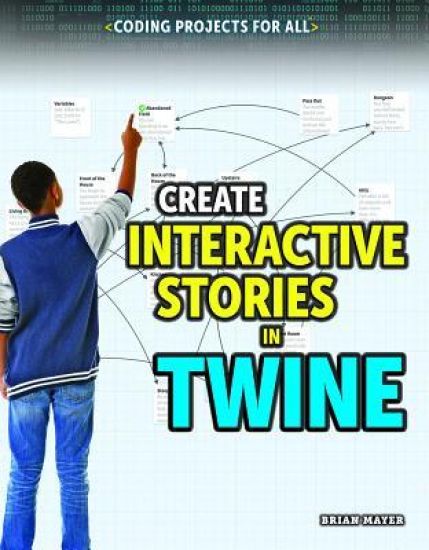
Create Interactive Stories in Twine

Create Interactive Stories in Twine

Brian Mayer

Rosen Young Adult
2019
nidottu
Interactive storytelling is the basis for any game, and Twine gives users the tools to make their own choose-your-own-path games. Starting with the basics of storytelling, moving to Parsely games, and finally exploring Twine, readers will learn the ins and outs of making fun and engaging story-based games. The hands-on activities in this remarkable resource are uniquely designed to teach readers the basics of computational thinking, variables, and the Harlowe programming language, all while having fun making a game online.
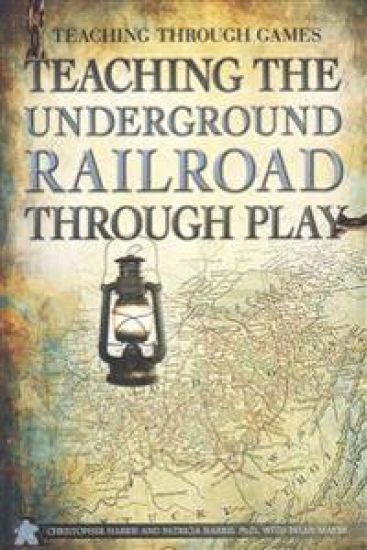
Teaching the Underground Railroad Through Play

Teaching the Underground Railroad Through Play

Christopher Harris; Patricia Harris Ph. D.; Brian Mayer

Rosen Classroom
2015
nidottu
Slavery is a sensitive topic in American history. This book provides resources and lesson plans for a week-long unit covering slavery, the Underground Railroad, and the abolition movement built around an award-winning board game. In Freedom: The Underground Railroad, students will take on the role of abolitionists helping slaves reach freedom in Canada. Background knowledge, primary source documents, and detailed lesson plans on teaching slavery and using the game provide full support for instruction. Customized Freedom mini-game scenarios designed by Brian Mayer and Christopher Harris. Game: Freedom: The Underground Railroad. Brian Mayer. Academy Games, 2013.
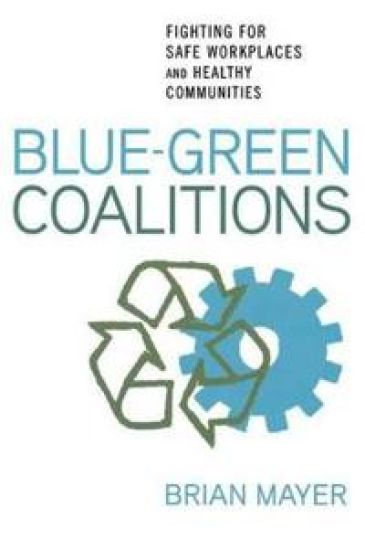
Blue-Green Coalitions

Blue-Green Coalitions

Brian Mayer

CORNELL UNIVERSITY PRESS
2011
muu
What do unions and environmental groups have to gain by working together and how do they overcome their differences? Brian Mayer looks at the role that health-related issues have played in creating a common ground between the two groups.
Blue-Green Coalitions

Blue-Green Coalitions

Brian Mayer

CORNELL UNIVERSITY PRESS
2010
muu
What do unions and environmental groups have to gain by working together and how do they overcome their differences? Brian Mayer looks at the role that health-related issues have played in creating a common ground between the two groups.
Blue-Green Coalitions

Blue-Green Coalitions

Brian Mayer

ILR Press
2008
pokkari
What do unions and environmental groups have to gain by working together and how do they overcome their differences? In Blue-Green Coalitions, Brian Mayer answers these questions by focusing on the role that health-related issues have played in creating a common ground between the two groups. By recognizing that the same toxics that cause workplace hazards escape into surrounding communities and the environment, workers and environmentalists are able to collaborate for the protection of all. Mayer examines three contemporary cases of successful labor-environmental alliances to demonstrate how health and safety issues are used to create durable and politically influential social movement coalitions: •Alliance for a Healthy Tomorrow, a coalition of environmental, labor, community, and public health organizations in Massachusetts that has developed a successful prevention-based approach to safe workplaces and a clean environment; •the Work Environment Council in New Jersey, which succeeded in passing the first statewide right-to-know law and concentrates on protecting citizens from the dangerous toxics generated by the state's chemical industries; •the Silicon Valley Toxics Coalition, an organization that began in the 1980s fighting hazardous high-tech practices that were affecting the Valley residents and the high-tech industry's largely immigrant workforce. In Mayer's ethnographic accounts of the challenging work of bringing these blue-green coalitions together, it becomes clear that stereotypes about environmentalists and workers are largely irrelevant when thinking about who is at risk of exposure to dangerous toxic substances. Both movements share a common concern for protecting their members' health from toxic hazards that are by-products of the modern industrial economy.