Kirjojen hintavertailu. Mukana 12 595 353 kirjaa ja 12 kauppaa.

Kirjailija

Bridget Ann Henisch

Kirjat ja teokset yhdessä paikassa: 4 kirjaa, julkaisuja vuosilta 1986-1999, suosituimpien joukossa The Photographic Experience, 1839–1914. Vertaile teosten hintoja ja tarkista saatavuus suomalaisista kirjakaupoista.

4 kirjaa

Kirjojen julkaisuhaarukka 1986-1999.

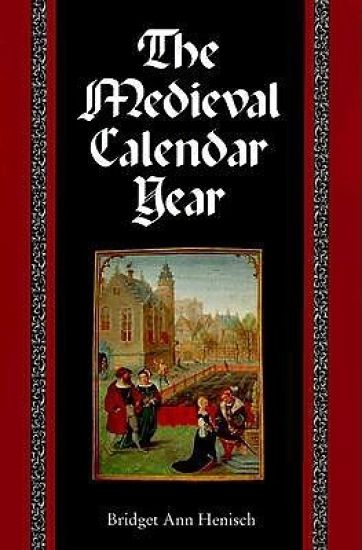
The Medieval Calendar Year

The Medieval Calendar Year

Bridget Ann Henisch

Pennsylvania State University Press
1999
pokkari
The Medieval Calendar Year celebrates the pictorial convention known as "The Labors of the Months" and the ways it was used in the Middle Ages. Richly illustrated and elegantly presented, it provides valuable insights into prevailing social attitudes and values and will fascinate all readers who are interested in the history and culture of medieval Europe.The "Labors" cycle was most popular during the High Middle Ages (ca. 1200–1500). The traditional cycle depicts the year as a round of seasonal activities on the land. Each month has its allotted task, and each of these represents one stage in the never-ending process of providing food for society. The small scenes that made up the cycle were well-known and used widely throughout Europe. They were chosen to decorate both public and private spaces: churches and houses, town fountains, baptismal fonts, as well as books of devotion intended both for priests and for the laity. The cycle was sculpted in stone, carved in wood, painted on glass and on manuscript pages. Examples from such media are described, but most of the illustrations have been taken from manuscripts, primarily Books of Hours.The author has spent the past fifteen years studying calendar after calendar, and one of her great strengths is her ability to see the social reality that lies hidden, even masked, behind the stylized presentation. In the chapter on winter, she shows how the image of this season, dreaded in the Middle Ages, was softened and sweetened by calendar artists to bring it more into harmony with the characteristic mood of the cycle as a whole. For autumn, she reveals how depictions of the harvest of grain, grapes, and livestock hint at a sophisticated market economy. Thematic chapters on children, women, and the hardship of work brilliantly cut through idealized conventions and assumptions to unveil the underlying complexities of life. The "Labors" cycle and its social context have not hitherto been examined in depth and with the care they deserve. The Medieval Calendar Year is a book worthy of the beautiful and beguiling tradition it describes.
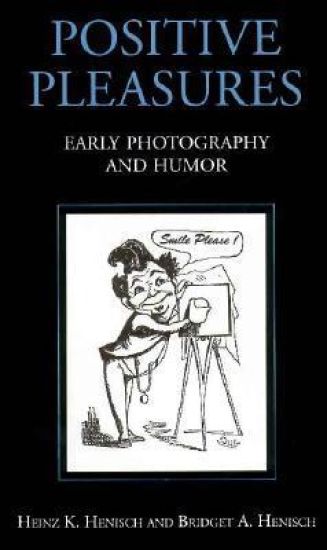
Positive Pleasures

Positive Pleasures

Heinz K. Henisch; Bridget Ann Henisch

Pennsylvania State University Press
1998
sidottu
In the year that photography was introduced to the world, 1839, a cartoon in a French broadside showed a gallows for the draftsmen and engravers who would be put out of work by the new medium. This was only the beginning of a long tradition of amused, and amusing, depictions of photography, a practice now reviewed in Heinz and Bridget Henisch's new book. Positive Pleasures explores the humorous commentary about photography that emerged in the medium's first seventy-five years, providing a panorama of photographic comedy in its many aspects, both pictorial and literary. The Henisches present a wide range of examples found in cartoons, literature, and such facets of popular culture as music, fashion, and advertising. They also discuss examples of photo-humor in the political arena. Richly illustrated with more than 250 cartoons and photographs from international sources, the book takes readers behind the technical and commercial scenes of a new medium. It covers the period from photography's beginnings to the years following World War I when the popularization of miniature cameras redefined the world of photography—showing how, as the outward appearance of photographic paraphernalia changed, each new generation of cartoonists was provided with new challenges for their satirical skills. It also depicts photographers as humorists in their own right through examples of their amusing interpretations of reality. Viewed today, these cartoons and anecdotes shed new light on photography's problems and pleasures as seen by society at large and prove that it is not necessary to be a photo-historian in order to appreciate photographic humor. Positive Pleasures firmly establishes photo-humor as an important part of social and visual anthropology and should stimulate new research by social scientists. It will also delight anyone with an interest in social history or the nineteenth-century world, as it deepens our understanding of both photography's impact on society and the impact of fads and fashions on photography itself.
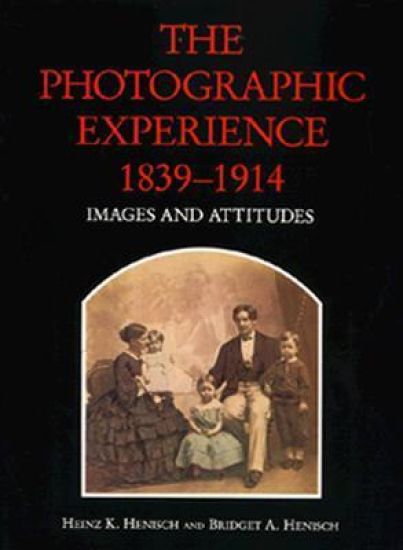
The Photographic Experience, 1839–1914

The Photographic Experience, 1839–1914

Heinz K. Henisch; Bridget Ann Henisch

Pennsylvania State University Press
1994
sidottu
Eighteen thirty-nine was the miraculous year in which the two principal inventors of photography—Daguerre in France and Fox Talbot in Great Britain—made their discoveries known to an eager and receptive public. News of the process flashed around the globe, and in no time enthusiastic pioneers from Auckland to Zanzibar were trying the new invention. Photography took root and flourished. It has since been used in a thousand ways and has changed our modes of perception in many more. The Photographic Experience deals with episodes and issues relating to the spread and practice of photography from its beginnings to World War I. Bridget and Heinz Henisch concern themselves with the reception accorded to the new art by professionals, amateurs, and the general public. They examine reactions to the new invention in the press, literature, poetry, music, and fashion; the response of intellectuals and painters; and the beliefs held by prominent photographers concerning the nature of the medium and its mission. With a wide array of images—many never before published—they illustrate the photograph's use as a record of public and private moments in life. Photography became so quickly and thoroughly interwoven with the fabric of society and human experience, that its history comprises much more than the story of photographic art and its creators. The authors examine photographic ephemera and humor, photography and the law, the photographic studio experience, photography and travel, photography and journalism with special attention to advertising and war, the role of photography in politics, photographically illustrated books, the practice of overpainting, photography in the hands of the scholar, and the presentation and use of photographs in their social milieu.
Fast and Feast

Fast and Feast

Bridget Ann Henisch

Pennsylvania State University Press
1986
pokkari
Engagingly written and fully illustrated, Fast and Feast explores the medieval approach to food, its preparation, and its presentation. Since attitudes toward food were shaped by the religious and social ideas of the period, the medieval perspective is clearly developed for the modern reader and, in turn, sheds light on the character of life in the Middle Ages. The subject is examined from the varied points of view of all concerned: host, guest, cook, and servant.Bridget Ann Henisch draws her material from a wide range of primary sources: devotional literature, sermons, courtesy books, recipe collections, household accounts, chronicles, and romances. Most of these works were written in England during the thirteenth, fourteenth, and fifteenth centuries, but Henisch also makes reference to texts from other periods and countries. Readers with an interest in food will find her important study both informative and entertaining.