Kirjojen hintavertailu. Mukana 12 390 323 kirjaa ja 12 kauppaa.

Kirjailija

Bruce Carruth

Kirjat ja teokset yhdessä paikassa: 25 kirjaa, julkaisuja vuosilta 1986-2016, suosituimpien joukossa Chemical Dependency and Antisocial Personality Disorder. Vertaile teosten hintoja ja tarkista saatavuus suomalaisista kirjakaupoista.

25 kirjaa

Kirjojen julkaisuhaarukka 1986-2016.

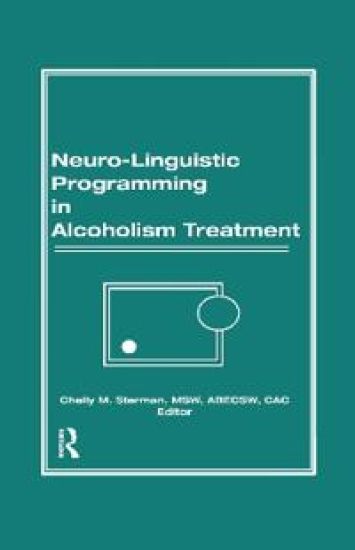
Neuro-Linguistic Programming in Alcoholism Treatment

Neuro-Linguistic Programming in Alcoholism Treatment

Bruce Carruth; Chelly M Sterman

Routledge
2016
nidottu
Here is a practical and clearly written guide to the use of Neuro-Linguistic Programming in the treatment of alcoholism and other addictions. This comprehensive volume illustrates how the focus of Neuro-Linguistic Programming (NLP) on the individual and the family increases the effectiveness of counseling by targeting the uniqueness of each individual and his or her family system. Professionals will also learn how NLP facilitates effective interventions and helps alcoholics create internal coping skills to begin and maintain the recovery process. Neuro-Linguistic Programming in Alcoholism Treatment is a wealth of innovative, state-of-the-art information on the history of NLP, basic NLP assumptions, concepts for establishing rapport with clients, and essential family participation in NLP.Each chapter directs itself either to a specific NLP technique, featuring clear case demonstrations and a step-by-step outline for applying the technique to the development of the counseling process in working with addicted systems, or to a particular group affected by addiction, such as alcoholics, children of alcoholics, or the addicted family as a unit. Clinicians focus on alcoholism and other addictions as treatable conditions, applying specific strategies and techniques--initially developed in Neuro-Linguistic Programming and Hypnotherapy--adapted to meet the demands of alcoholism and addiction treatment specialists. This important volume allows for a substantial increase in the repertoire of treatment choices available to professionals and enables clinicians to individualize treatment. An extensive bibliography is included to further assist readers in gaining additional skills in the treatment of alcoholics and other addicts.
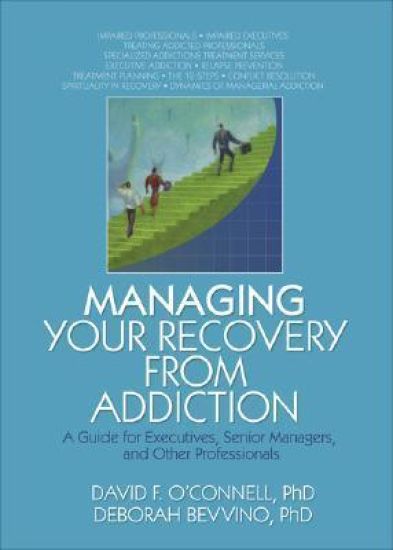
Managing Your Recovery from Addiction

Managing Your Recovery from Addiction

David F O'Connell; Bruce Carruth; Deborah Bevvino

Routledge Member of the Taylor and Francis Group
2007
sidottu
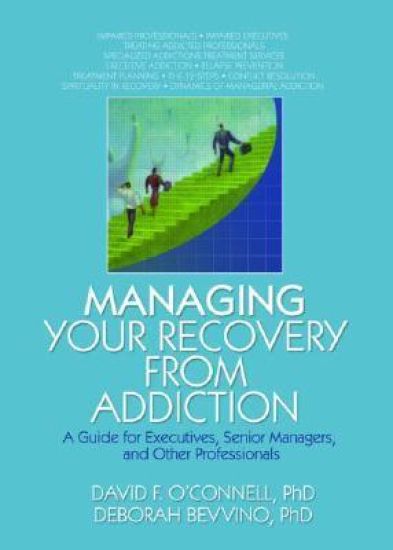
Learn how to get soberand stay that wayGetting and staying sober provides a special set of challenges for professional peoplephysicians, lawyers, corporate CEOs, accountants, and otherswho drive themselves to achieve and succeed in high-pressure surroundings. Managing Your Recovery from Addiction applies business approaches and ideas to the process of planning, implementing, and carrying out programs that really work for professionals in their first year of recovery. This unique self-help book provides guidance to impaired executives and professionals seeking recovery through inpatient and outpatient care, setting strategies for managing conflict, dealing with changing emotions and moods, and developing a solid spiritual program. Managing Your Recovery from Addiction helps professionals develop both short- and long-term programs for dealing with the challenges of maintaining sobriety. The book is based on the authors’ extensive experience treating impaired business personnel in a variety of settings, including the Caron Treatment Centers and Lifeworks of London, England, an internationally recognized addictions treatment center. Their rational, scientific approach complements ongoing counseling and other treatment approaches to help keep the professional’s career on track, saving the recovering individualand his or her employersignificant time and money due to lower productivity, arrested organizational development, absenteeism, and other problems associated with professional level addiction. Topics examined in Managing Your Recovery from Addiction include: a unique view of the 12 Steps for business personnel the dynamics of managerial addiction essential information to prevent relapse to active addiction coping with relapse basic tasks and fundamental recovery steps setting and tracking recovery goals recovery stages 10 tasks to recovery conflict management strategies spiritual development addictions treatment and much more!Managing Your Recovery from Addiction concludes with the O’Connell Dysfunctional Attitude Survey (ODAS). This book is vital for recovering executives and professionals and is an important resource for addictions and mental health treatment agencies that serve a professional population. It’s equally helpful for employee assistance program (EAP) personnel who regularly refer professionals for addictions treatment.
Managing Your Recovery from Addiction

Managing Your Recovery from Addiction

David F O'Connell; Bruce Carruth; Deborah Bevvino

Routledge Member of the Taylor and Francis Group
2007
nidottu
Learn how to get soberand stay that wayGetting and staying sober provides a special set of challenges for professional peoplephysicians, lawyers, corporate CEOs, accountants, and otherswho drive themselves to achieve and succeed in high-pressure surroundings. Managing Your Recovery from Addiction applies business approaches and ideas to the process of planning, implementing, and carrying out programs that really work for professionals in their first year of recovery. This unique self-help book provides guidance to impaired executives and professionals seeking recovery through inpatient and outpatient care, setting strategies for managing conflict, dealing with changing emotions and moods, and developing a solid spiritual program. Managing Your Recovery from Addiction helps professionals develop both short- and long-term programs for dealing with the challenges of maintaining sobriety. The book is based on the authors’ extensive experience treating impaired business personnel in a variety of settings, including the Caron Treatment Centers and Lifeworks of London, England, an internationally recognized addictions treatment center. Their rational, scientific approach complements ongoing counseling and other treatment approaches to help keep the professional’s career on track, saving the recovering individualand his or her employersignificant time and money due to lower productivity, arrested organizational development, absenteeism, and other problems associated with professional level addiction. Topics examined in Managing Your Recovery from Addiction include: a unique view of the 12 Steps for business personnel the dynamics of managerial addiction essential information to prevent relapse to active addiction coping with relapse basic tasks and fundamental recovery steps setting and tracking recovery goals recovery stages 10 tasks to recovery conflict management strategies spiritual development addictions treatment and much more!Managing Your Recovery from Addiction concludes with the O’Connell Dysfunctional Attitude Survey (ODAS). This book is vital for recovering executives and professionals and is an important resource for addictions and mental health treatment agencies that serve a professional population. It’s equally helpful for employee assistance program (EAP) personnel who regularly refer professionals for addictions treatment.
Addicted and Mentally Ill

Addicted and Mentally Ill

Bruce Carruth; Carol Bucciarelli

Routledge Member of the Taylor and Francis Group
2004
sidottu
Reconnect with dually diagnosed individuals using stories they can identify with! Addicted and Mentally Ill: Stories of Courage, Hope, and Empowerment is a powerful tool to recommend to your clients who are dually diagnosed. This book presents vignettes about people with mental illness and addiction whose situations are representative of what goes on in a dual-diagnosis in-patient setting. This nonclinical, easy-to-read resource will give you, your patients, and their family members unique insight on dual diagnosis and how co-occurring mental illness and addiction can be treated with the minimum amount of blame, shame, or poor decision-making. Addicted and Mentally Ill focuses on the most significant issues surrounding these individuals, such as: dual diagnosis and the family system—how family can help or hinder treatment the reasons why dually diagnosed clients resist treatment the fear of losing self-identity in treatment the misunderstandings about dual diagnosis—from the perspectives of the client, family members, and professionals in medicine and social work the role of hope, empowerment, and spirituality in recovery in dual diagnosis what the patient/client and family members can do to improve treatment options Addicted and Mentally Ill is unique for its storytelling format, consisting of brief tales and short explanations you can recommend to clients and families with limited clinical knowledge or time. This innovative tool answers many of the questions that dually diagnosed individuals may have and helps them learn of the issues surrounding their illness as well as their addiction. For those professionals who provide direct counseling to these clients or patients, this book offers an interesting and nonthreatening way to help them learn about treatment options. The stories in Addicted and Mentally Ill confront the life problems specific to dually diagnosed individuals, including: alcohol, drugs, and self-medication the difficulties of building trust in group therapy settings psychotropic medications illnesses such as bipolar disorder, schizophrenia, depression, and personality disorders suicide
Addicted and Mentally Ill

Addicted and Mentally Ill

Bruce Carruth; Carol Bucciarelli

Routledge Member of the Taylor and Francis Group
2004
nidottu
Reconnect with dually diagnosed individuals using stories they can identify with! Addicted and Mentally Ill: Stories of Courage, Hope, and Empowerment is a powerful tool to recommend to your clients who are dually diagnosed. This book presents vignettes about people with mental illness and addiction whose situations are representative of what goes on in a dual-diagnosis in-patient setting. This nonclinical, easy-to-read resource will give you, your patients, and their family members unique insight on dual diagnosis and how co-occurring mental illness and addiction can be treated with the minimum amount of blame, shame, or poor decision-making. Addicted and Mentally Ill focuses on the most significant issues surrounding these individuals, such as: dual diagnosis and the family system—how family can help or hinder treatment the reasons why dually diagnosed clients resist treatment the fear of losing self-identity in treatment the misunderstandings about dual diagnosis—from the perspectives of the client, family members, and professionals in medicine and social work the role of hope, empowerment, and spirituality in recovery in dual diagnosis what the patient/client and family members can do to improve treatment options Addicted and Mentally Ill is unique for its storytelling format, consisting of brief tales and short explanations you can recommend to clients and families with limited clinical knowledge or time. This innovative tool answers many of the questions that dually diagnosed individuals may have and helps them learn of the issues surrounding their illness as well as their addiction. For those professionals who provide direct counseling to these clients or patients, this book offers an interesting and nonthreatening way to help them learn about treatment options. The stories in Addicted and Mentally Ill confront the life problems specific to dually diagnosed individuals, including: alcohol, drugs, and self-medication the difficulties of building trust in group therapy settings psychotropic medications illnesses such as bipolar disorder, schizophrenia, depression, and personality disorders suicide
Shame, Guilt, and Alcoholism

Shame, Guilt, and Alcoholism

Ron Potter-Efron; Bruce Carruth

Routledge Member of the Taylor and Francis Group
2002
sidottu
Explore the causes and effects of the shame/guilt/addiction cycle!Since the original edition in 1989, great strides have been made in understanding the overlapping functions of shame and guilt and the ways these painful emotions are linked with addictions. Shame, Guilt, and Alcoholism: Treatment Issues in Clinical Practice, Second Edition, integrates up-to-date psychological research with penetrating insight into the emotional realities of substance abuse. It provides a clear and practical model for understanding the shame/guilt/addiction cycle.Shame, Guilt, and Alcoholism provides constructive suggestions to therapists for treating substance-abusing clients and their affected family members. By treating destructive, inappropriate, or excessive shame and guilt, therapists can help their clients free themselves from the downward spiral of addiction and begin to build on their genuine strengths. It explores the positive functions of shame and guilt, describes the conscious and subconscious defense mechanisms against them, and highlights the crucial family behaviors that initiate and encourage shame and guilt. Shame, Guilt, and Alcoholism thoroughly explains the significant differences between shame and guilt, including: clients’experiences of failure primary responses and feelings precipitating events and involvement of self origins and central fearsShame, Guilt, and Alcoholism adds immeasurably to our understanding of the total recovery process. It is an essential resource for therapists, social workers, psychologists, substance-abuse counselors, and educators in the field.
Shame, Guilt, and Alcoholism

Shame, Guilt, and Alcoholism

Ron Potter-Efron; Bruce Carruth

Routledge Member of the Taylor and Francis Group
2002
nidottu
Explore the causes and effects of the shame/guilt/addiction cycle!Since the original edition in 1989, great strides have been made in understanding the overlapping functions of shame and guilt and the ways these painful emotions are linked with addictions. Shame, Guilt, and Alcoholism: Treatment Issues in Clinical Practice, Second Edition, integrates up-to-date psychological research with penetrating insight into the emotional realities of substance abuse. It provides a clear and practical model for understanding the shame/guilt/addiction cycle.Shame, Guilt, and Alcoholism provides constructive suggestions to therapists for treating substance-abusing clients and their affected family members. By treating destructive, inappropriate, or excessive shame and guilt, therapists can help their clients free themselves from the downward spiral of addiction and begin to build on their genuine strengths. It explores the positive functions of shame and guilt, describes the conscious and subconscious defense mechanisms against them, and highlights the crucial family behaviors that initiate and encourage shame and guilt. Shame, Guilt, and Alcoholism thoroughly explains the significant differences between shame and guilt, including: clients’experiences of failure primary responses and feelings precipitating events and involvement of self origins and central fearsShame, Guilt, and Alcoholism adds immeasurably to our understanding of the total recovery process. It is an essential resource for therapists, social workers, psychologists, substance-abuse counselors, and educators in the field.
Addiction Intervention

Addiction Intervention

Bruce Carruth; Deborah G Wright; Robert K White

Routledge Member of the Taylor and Francis Group
1998
sidottu
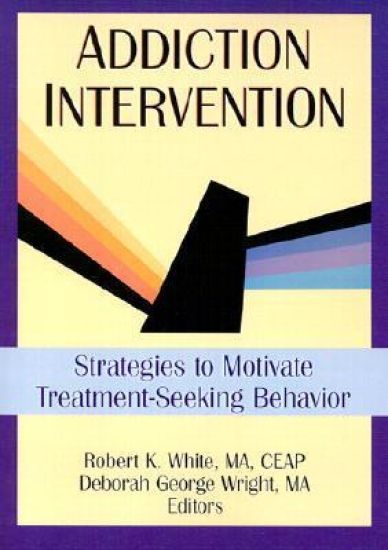
Addiction Intervention: Strategies to Motivate Treatment-Seeking Behavior shows you how to use the tools of intervention--the words, the steps, and the strategies--to be a change agent in the lives of individuals with alcohol and drug addictions. It is full of effective strategies and case studies coming from widely respected specialists across several disciplines. You'll learn how you can get people to seek help for their chemical dependence, resolving the cause of their problems rather than temporarily fixing the symptoms or side effects of their addictions.Whether you're an alcohol and drug educator, intervention trainer, physician, nurse, social worker, employer, lawyer, judge, or counselor, Addiction Intervention will help you find ways to confront chemically dependent people and motivate them to change their lives. You will find the tools of intervention easier to wield than you might otherwise think as you read about:how physicians can assess symptoms using various diagnostic tools, initiate conversation with a patient, and overcome resistance to referral how clinical therapists can develop response-specific intervention strategies that are appropriate to clients’behavior pathology conducting effective performance-related workplace interventions the development and design of impaired professional committees alternative models for peer and administrative interventions the methodologies of student assistance programs and teams brief, structured therapy for the family of an addicted person recent changes in the criminal justice system that have encouraged judges to refer individuals to treatment the One-Stop Re-Employment Social Services CenterAddiction Intervention brings within your reach results-oriented intervention. Don't continue to offer band-aid solutions or skirt around the real problem of addiction. This book will help you help people get their lives back on track permanently.
Addiction Intervention

Addiction Intervention

Bruce Carruth; Deborah G Wright; Robert K White

Routledge Member of the Taylor and Francis Group
1998
nidottu
Addiction Intervention: Strategies to Motivate Treatment-Seeking Behavior shows you how to use the tools of intervention--the words, the steps, and the strategies--to be a change agent in the lives of individuals with alcohol and drug addictions. It is full of effective strategies and case studies coming from widely respected specialists across several disciplines. You'll learn how you can get people to seek help for their chemical dependence, resolving the cause of their problems rather than temporarily fixing the symptoms or side effects of their addictions.Whether you're an alcohol and drug educator, intervention trainer, physician, nurse, social worker, employer, lawyer, judge, or counselor, Addiction Intervention will help you find ways to confront chemically dependent people and motivate them to change their lives. You will find the tools of intervention easier to wield than you might otherwise think as you read about:how physicians can assess symptoms using various diagnostic tools, initiate conversation with a patient, and overcome resistance to referral how clinical therapists can develop response-specific intervention strategies that are appropriate to clients’behavior pathology conducting effective performance-related workplace interventions the development and design of impaired professional committees alternative models for peer and administrative interventions the methodologies of student assistance programs and teams brief, structured therapy for the family of an addicted person recent changes in the criminal justice system that have encouraged judges to refer individuals to treatment the One-Stop Re-Employment Social Services CenterAddiction Intervention brings within your reach results-oriented intervention. Don't continue to offer band-aid solutions or skirt around the real problem of addiction. This book will help you help people get their lives back on track permanently.
Chemical Dependency and Antisocial Personality Disorder

Chemical Dependency and Antisocial Personality Disorder

Bruce Carruth; Gary G Forrest

Routledge Member of the Taylor and Francis Group
1996
nidottu
Chemical Dependency and Antisocial Personality Disorder gives you the information and clinical skills necessary to assess and evaluate persons suffering from substance abuse and/or antisocial personality disorders and details how you can develop effective psychotherapy and treatment strategies. From its helpful pages that contain diagnostic criteria and clinical interviewing and assessment guidelines, you learn to accurately diagnose substance use and antisocial personality disorders. The book also provides you with the historical and clinical perspectives of such disorders and their epidemiology and etiology to give you a thorough background and understanding of the subject. Case studies and therapy vignettes are included to provide you with actual clinical examples to illustrate concepts and ideas. You will appreciate the book’s in-depth discussions of treatment strategies that can greatly enhance your effectiveness. You’ll find this volume is an invaluable research resource for refreshing your approaches for helping persons with substance abuse and antisocial personality disorders.Much of the content of Chemical Dependency and Antisocial Personality Disorder is based on the author’s two decades of experience working with patients suffering from substance use and antisocial personality disorders. Some topics addressed include:accurate differential diagnosis resistance the use of structure in treatment therapist-patient relationship dynamics treatment outcome effectiveness, relapse, and recovery. Alcohol/drug counselors, psychiatrists, psychologists, and corrections, probation, and parole officers who want to be more effective in their work with chemically dependent and antisocial clients will find this a practical, helpful, and informative guide. This enlightening book examines many of the most difficult and clinically problematic issues that are associated with the psychotherapy and rehabilitation of chemically dependent and/or antisocial patients. Much of the content of Chemical Dependency and Antisocial Personality Disorder is based on the author’s two decades of experience working with patients suffering from substance use and antisocial personality disorders. Some topics addressed include accurate differential diagnosis, resistance, the use of structure in treatment, therapist-patient relationship dynamics, and treatment outcome effectiveness, relapse, and recovery. Alcohol/drug counselors, psychiatrists, psychologists, and corrections, probation, and parole officers who want to be more effective in their work with chemically dependent and antisocial clients will find this a practical, helpful, and informative guide.
Chemical Dependency and Antisocial Personality Disorder

Chemical Dependency and Antisocial Personality Disorder

Bruce Carruth; Gary G Forrest

Routledge Member of the Taylor and Francis Group
1994
sidottu
Chemical Dependency and Antisocial Personality Disorder gives you the information and clinical skills necessary to assess and evaluate persons suffering from substance abuse and/or antisocial personality disorders and details how you can develop effective psychotherapy and treatment strategies. From its helpful pages that contain diagnostic criteria and clinical interviewing and assessment guidelines, you learn to accurately diagnose substance use and antisocial personality disorders. The book also provides you with the historical and clinical perspectives of such disorders and their epidemiology and etiology to give you a thorough background and understanding of the subject. Case studies and therapy vignettes are included to provide you with actual clinical examples to illustrate concepts and ideas. You will appreciate the book’s in-depth discussions of treatment strategies that can greatly enhance your effectiveness. You’ll find this volume is an invaluable research resource for refreshing your approaches for helping persons with substance abuse and antisocial personality disorders.Much of the content of Chemical Dependency and Antisocial Personality Disorder is based on the author’s two decades of experience working with patients suffering from substance use and antisocial personality disorders. Some topics addressed include:accurate differential diagnosis resistance the use of structure in treatment therapist-patient relationship dynamics treatment outcome effectiveness, relapse, and recovery. Alcohol/drug counselors, psychiatrists, psychologists, and corrections, probation, and parole officers who want to be more effective in their work with chemically dependent and antisocial clients will find this a practical, helpful, and informative guide. This enlightening book examines many of the most difficult and clinically problematic issues that are associated with the psychotherapy and rehabilitation of chemically dependent and/or antisocial patients. Much of the content of Chemical Dependency and Antisocial Personality Disorder is based on the author’s two decades of experience working with patients suffering from substance use and antisocial personality disorders. Some topics addressed include accurate differential diagnosis, resistance, the use of structure in treatment, therapist-patient relationship dynamics, and treatment outcome effectiveness, relapse, and recovery. Alcohol/drug counselors, psychiatrists, psychologists, and corrections, probation, and parole officers who want to be more effective in their work with chemically dependent and antisocial clients will find this a practical, helpful, and informative guide.
Addiction in Human Development

Addiction in Human Development

Bruce Carruth; Jacqueline Wallen

Routledge Member of the Taylor and Francis Group
1993
sidottu
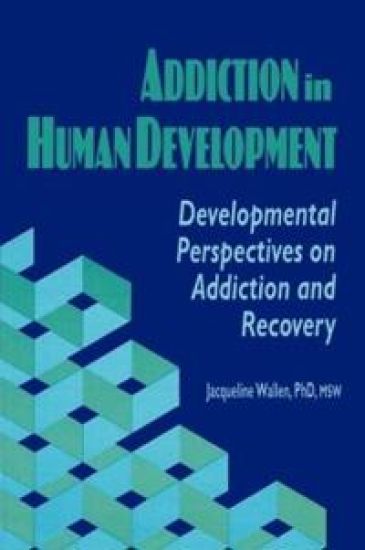
Find fresh perspectives on the treatment of addictions and effective methods for helping recovering alcohol and drug abusers in this valuable book!Addiction in Human Development provides practical strategies based on theories of human development for working with clients recovering from alcoholism and drug addiction. An understanding of these theories will help therapists and addictions counselors recognize stages of recovery and better select appropriate interventions for every phase of treatment of addicted clients.Addiction in Human Development shows how a developmental perspective is particularly appropriate to the treatment of alcohol and substance abusers and the patterns involved in their addiction. Disruptions in clients’childhood or adolescent development, stemming from their own or a parent’s drug abuse, can influence their present recovery process. This informative book also describes the developmental course of addiction and provides tools designed to interrupt addictive patterns. In addition, stages in the developmental process of recovery are identified to help therapists select appropriate interventions.Some of the topics related to human development and addiction covered in this insightful volume include developmental deficits and developmental arrest in recovering clients, delayed reactions to sexual abuse and other childhood trauma, stages in recovery from alcoholism or drug addiction, developmental issues in the professional’s own life, and multi-problem families with a multigenerational history of substance abuse. Applying these developmental strategies to work with addicted individuals will significantly improve communication and rapport between helping professionals and recovering addicts and lead to more success in alcohol and drug addiction therapy.
Addiction in Human Development

Addiction in Human Development

Bruce Carruth; Jacqueline Wallen

Routledge Member of the Taylor and Francis Group
1993
nidottu
Find fresh perspectives on the treatment of addictions and effective methods for helping recovering alcohol and drug abusers in this valuable book!Addiction in Human Development provides practical strategies based on theories of human development for working with clients recovering from alcoholism and drug addiction. An understanding of these theories will help therapists and addictions counselors recognize stages of recovery and better select appropriate interventions for every phase of treatment of addicted clients.Addiction in Human Development shows how a developmental perspective is particularly appropriate to the treatment of alcohol and substance abusers and the patterns involved in their addiction. Disruptions in clients’childhood or adolescent development, stemming from their own or a parent’s drug abuse, can influence their present recovery process. This informative book also describes the developmental course of addiction and provides tools designed to interrupt addictive patterns. In addition, stages in the developmental process of recovery are identified to help therapists select appropriate interventions.Some of the topics related to human development and addiction covered in this insightful volume include developmental deficits and developmental arrest in recovering clients, delayed reactions to sexual abuse and other childhood trauma, stages in recovery from alcoholism or drug addiction, developmental issues in the professional’s own life, and multi-problem families with a multigenerational history of substance abuse. Applying these developmental strategies to work with addicted individuals will significantly improve communication and rapport between helping professionals and recovering addicts and lead to more success in alcohol and drug addiction therapy.
Preschoolers and Substance Abuse

Preschoolers and Substance Abuse

Bruce Carruth; Pedro J Lecca; Thomas D Watts

Routledge Member of the Taylor and Francis Group
1993
sidottu
Find remarkable prevention and treatment strategies for preschool-age children of substance abusers in this informative volume. It provides an overview of the various problems exposure to substance abuse can cause for preschool children. Because of the strong influences parents have on their children, early childhood is a critical time for intervention to counteract the damaging effects of alcohol and drug abusing parents. Research shows that attitudes about alcohol and other drugs are already formed by junior high school level, and senior high school is too late for significant attitude change. Preschoolers and Substance Abuse promotes preschool age as the ideal time to apply strategies that will aid the family in building the self-esteem, trust, autonomy, and initiative necessary to protect the child from further problems caused by addictive parents. Intervention strategies are presented in a succinct manner, making them easy for practitioners, health officials, government officials, and family members to put into immediate practice.This book offers a unique approach to substance abuse, treating it as a community and societal problem rather than an individual problem. Intervention and treatment strategies are geared toward the substance abuse problem itself as well as how it impacts children and family systems. The harmful impact of alcohol or drug abusive parents is evaluated for all stages of childhood development, from pre-natal influences through infancy and the preschool years. Some of the harmful results of alcohol and drug abuse affecting preschool children addressed in this volume include violence, sexual abuse, Fetal Alcohol Syndrome, and intra-uterine exposure to drugs. The authors outline a comprehensive list of imperatives for a future agenda to protect preschool children from suffering the consequences of their parents’substance abuse. Public health officials, decision makers, practitioners, and legislators will find a series of policy recommendations including increased research, substance abuse training for child care workers, increased outreach and education for expectant mothers, and community-based outreach programs to insure ethnic or socioeconomic sensitivity and appropriateness.
Preschoolers and Substance Abuse

Preschoolers and Substance Abuse

Bruce Carruth; Pedro J Lecca; Thomas D Watts

Routledge Member of the Taylor and Francis Group
1993
nidottu
Find remarkable prevention and treatment strategies for preschool-age children of substance abusers in this informative volume. It provides an overview of the various problems exposure to substance abuse can cause for preschool children. Because of the strong influences parents have on their children, early childhood is a critical time for intervention to counteract the damaging effects of alcohol and drug abusing parents. Research shows that attitudes about alcohol and other drugs are already formed by junior high school level, and senior high school is too late for significant attitude change. Preschoolers and Substance Abuse promotes preschool age as the ideal time to apply strategies that will aid the family in building the self-esteem, trust, autonomy, and initiative necessary to protect the child from further problems caused by addictive parents. Intervention strategies are presented in a succinct manner, making them easy for practitioners, health officials, government officials, and family members to put into immediate practice.This book offers a unique approach to substance abuse, treating it as a community and societal problem rather than an individual problem. Intervention and treatment strategies are geared toward the substance abuse problem itself as well as how it impacts children and family systems. The harmful impact of alcohol or drug abusive parents is evaluated for all stages of childhood development, from pre-natal influences through infancy and the preschool years. Some of the harmful results of alcohol and drug abuse affecting preschool children addressed in this volume include violence, sexual abuse, Fetal Alcohol Syndrome, and intra-uterine exposure to drugs. The authors outline a comprehensive list of imperatives for a future agenda to protect preschool children from suffering the consequences of their parents’substance abuse. Public health officials, decision makers, practitioners, and legislators will find a series of policy recommendations including increased research, substance abuse training for child care workers, increased outreach and education for expectant mothers, and community-based outreach programs to insure ethnic or socioeconomic sensitivity and appropriateness.
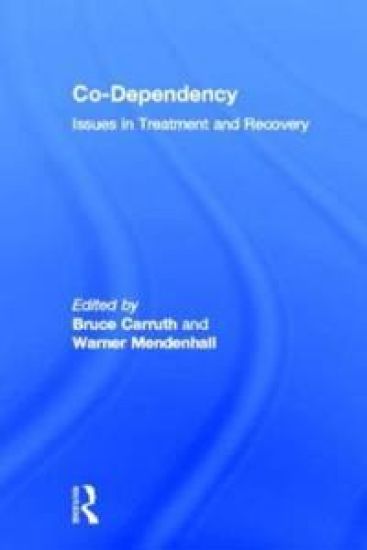
Co-Dependency

Co-Dependency

Bruce Carruth; Warner Mendenhall

Routledge Member of the Taylor and Francis Group
1991
sidottu
Co-dependency has finally become recognized in the late 1980s as a legitimate and a key issue in the chemical dependency field. Most of the literature available on the topic is addressed to the consumer--the co-dependent individual. In Co-dependency, leading therapists share some remarkable insights into the characteristics of the alcoholic home, co-dependents’patterns of responding to the alcoholic, and the particular problems that family members experience as a result of the environment, including fear, shame and guilt, anger, denial, and confusion. Clinical case material is used to illustrate the value of helping co-dependents through education, peer support, outpatient treatment and psychotherapy. Creative solutions for working with lesbian and gay men and children of alcoholics are also featured.
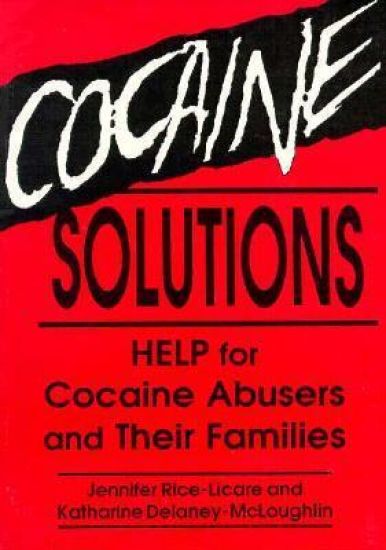
Cocaine Solutions

Cocaine Solutions

Bruce Carruth; Jennifer Rice Licare; Katharine Delaney Mcloughlin

Routledge Member of the Taylor and Francis Group
1990
sidottu
Although the media focus on the rise of cocaine use and the evils of its abuse, the public receives little real information about the scope of the problem and its treatment. This timely, practical, and honest volume gets to the heart of the cocaine addiction problem. Cocaine Solutions not only addresses the difficulties experienced by addicts and their families in coping with the devastating financial, emotional, and psychological toll that addiction takes, it also identifies specific sources of help that exist for addicts and their families. Both recovered drug addicts themselves, the authors discuss some of the obstacles to recovery and the ways to overcome them. Cocaine Solutions includes the stories of recovering addicts to illustrate firsthand what addicts’lives are like, giving you a better understanding of the people who are afflicted with the disease of addiction. This important book is required reading for a wide audience--cocaine addicts, potential addicts, the families of addicted or potentially addicted persons, professionals who see addiction daily in their patients, and anyone who is interested in the problem of cocaine addiction.
Neuro-Linguistic Programming in Alcoholism Treatment

Neuro-Linguistic Programming in Alcoholism Treatment

Bruce Carruth; Chelly M Sterman

Routledge Member of the Taylor and Francis Group
1990
sidottu
Here is a practical and clearly written guide to the use of Neuro-Linguistic Programming in the treatment of alcoholism and other addictions. This comprehensive volume illustrates how the focus of Neuro-Linguistic Programming (NLP) on the individual and the family increases the effectiveness of counseling by targeting the uniqueness of each individual and his or her family system. Professionals will also learn how NLP facilitates effective interventions and helps alcoholics create internal coping skills to begin and maintain the recovery process. Neuro-Linguistic Programming in Alcoholism Treatment is a wealth of innovative, state-of-the-art information on the history of NLP, basic NLP assumptions, concepts for establishing rapport with clients, and essential family participation in NLP.Each chapter directs itself either to a specific NLP technique, featuring clear case demonstrations and a step-by-step outline for applying the technique to the development of the counseling process in working with addicted systems, or to a particular group affected by addiction, such as alcoholics, children of alcoholics, or the addicted family as a unit. Clinicians focus on alcoholism and other addictions as treatable conditions, applying specific strategies and techniques--initially developed in Neuro-Linguistic Programming and Hypnotherapy--adapted to meet the demands of alcoholism and addiction treatment specialists. This important volume allows for a substantial increase in the repertoire of treatment choices available to professionals and enables clinicians to individualize treatment. An extensive bibliography is included to further assist readers in gaining additional skills in the treatment of alcoholics and other addicts.
Cocaine Solutions

Cocaine Solutions

Bruce Carruth; Jennifer Rice Licare; Katharine Delaney Mcloughlin

Routledge Member of the Taylor and Francis Group
1990
nidottu
Two recovered addicts discuss therapy and describe the financial, emotional, physical, and psychological impact of cocaine addiction
Co-Dependency

Co-Dependency

Bruce Carruth; Warner Mendenhall

Routledge Member of the Taylor and Francis Group
1989
nidottu
Co-dependency has finally become recognized in the late 1980s as a legitimate and a key issue in the chemical dependency field. Most of the literature available on the topic is addressed to the consumer--the co-dependent individual. In Co-dependency, leading therapists share some remarkable insights into the characteristics of the alcoholic home, co-dependents’patterns of responding to the alcoholic, and the particular problems that family members experience as a result of the environment, including fear, shame and guilt, anger, denial, and confusion. Clinical case material is used to illustrate the value of helping co-dependents through education, peer support, outpatient treatment and psychotherapy. Creative solutions for working with lesbian and gay men and children of alcoholics are also featured.