Kirjojen hintavertailu. Mukana 12 136 623 kirjaa ja 12 kauppaa.

Kirjailija

Bruce Hood

Kirjat ja teokset yhdessä paikassa: 13 kirjaa, julkaisuja vuosilta 2009-2025, suosituimpien joukossa Onnen tiede. Vertaile teosten hintoja ja tarkista saatavuus suomalaisista kirjakaupoista.

13 kirjaa

Kirjojen julkaisuhaarukka 2009-2025.

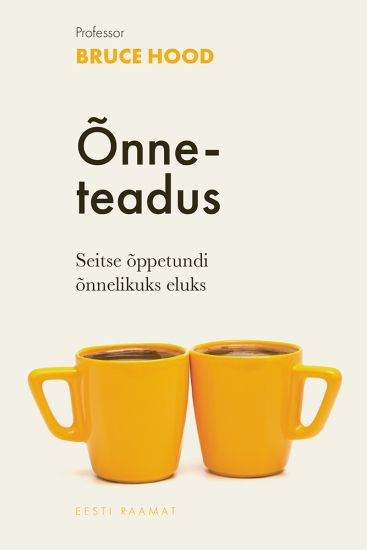
Onnen tiede

Onnen tiede

Bruce Hood

bazar
2025
sidottu
Vuosikymmenten tutkimuksen tulos muuttaa käsityksemme onnellisuudestaMaailman johtava onnellisuuden asiantuntija ja kehityspsykologi Bruce Hood kertoo kirjassaan Onnen tiede seitsemän oivallusta parempaan elämään.Me kaikki haluamme olla onnellisempia, mutta usein olemme itse oman onnemme esteenä. Kun olemme liian keskittyneitä itseemme ja puutteisiimme, saatamme vertailla itseämme muihin emmekä näe kaikkea hyvää elämässämme.Onnen tieteessä psykologi Bruce Hood osoittaa, että avain hyvinvointiin ei ole omista tarpeista huolehtiminen vaan ympäröivän todellisuuden parempi huomioiminen. Hood esittää seitsemän yksinkertaista mutta elämää mullistavaa oivallusta, joiden avulla voimme murtaa omaan itseen kohdistuvat negatiiviset ajatusmallit ja suunnata huomion asioihin, joilla on todellista merkitystä.Kirja perustuu vuosikymmenien neurotieteelliseen ja kehityspsykologiseen tutkimukseen, ja se muuttaa radikaalisti käsityksiämme hyvinvoinnin perusteista. Selkeiden, käytännöllisten oivallusten avulla Hood osoittaa, miten tieteen löydöksiä hyödyntäen muutamme ajatteluamme - ja elämäämme - paremmaksi.Bruce Hood on palkittu kehityspsykologian professori Bristolin yliopistossa. Hänen kurssinsa The Science of Happiness oli jo ensimmäisenä vuonnaan Bristolin yliopiston suosituin kurssi. Hän on esiintynyt laajalti televisiossa ja radiossa. Onnen tiede on hänen ensimmäinen suomennettu kirjansa.
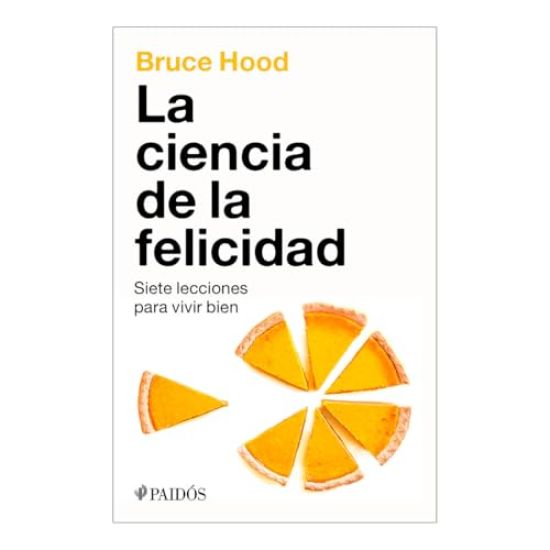
La Ciencia de la Felicidad: Siete Lecciones Para Vivir Bien / The Science of Happiness
Siete lecciones sencillas pero poderosas para derribar los obst culos mentales que se interponen en tu camino hacia el bienestar. Todos queremos ser m s felices, pero a menudo nuestro cerebro nos lo pone dif cil. Cuando estamos demasiado enfrascados en nuestras cabezas, nos obsesionamos con nuestros defectos, nos comparamos con otros y no logramos ver todo lo bueno que hay en nuestras vidas. En La ciencia de la felicidad, el prestigioso psic logo y experto en felicidad Bruce Hood demuestra que la clave para ser feliz no es el autocuidado, sino la conexi n. Para romper los patrones de pensamiento negativo y volver a conectar con las cosas que realmente importan, nos presenta siete lecciones sencillas pero poderosas. Cambia tu ego Evita el aislamiento Rechaza las comparaciones negativas S m s optimista Controla tu atenci n Relaci nate con los dem s Sal de tu cabeza Basado en d cadas de estudios de neurociencia y psicolog a del desarrollo, La ciencia de la felicidad reescribe todo lo que sab amos sobre las ra ces del bienestar y los obst culos que se interponen en nuestro camino hacia l. Con lecciones pr cticas y claras a lo largo de todo el libro, el profesor Hood demuestra c mo podemos aprovechar los hallazgos de esta ciencia para reprogramar nuestro pensamiento y transformar nuestras vidas. ENGLISH DESCRIPTION Seven simple yet powerful lessons to break through the mental obstacles standing in the way of your well-being. We all want to be happier, but often our brain makes it difficult. When we get too caught up in our own heads, we focus on our flaws, compare ourselves to others, and fail to see all the good in our lives. In The Science of Happiness, renowned psychologist and happiness expert Bruce Hood demonstrates that the key to happiness isn't self-care but connection. To break free from negative thought patterns and reconnect with what truly matters, he introduces seven simple yet powerful lessons: Change your ego Avoid isolation Reject negative comparisons Be more optimistic Control your attention Connect with others Get out of your head Based on decades of neuroscience and developmental psychology research, The Science of Happiness rewrites everything we know about the roots of well-being and the obstacles that stand in our way. With practical, clear lessons throughout the book, Professor Hood shows how we can use the findings of this science to reprogram our thinking and transform our lives.
Õnneteadus. Seitse oppetundi onnelikuma elu saavutamiseks
Me kõik tahaksime olla õnnelikumad, kuid teel õnnele takistab meid sageli aju: oleme hädas kinnisideedega, tunneme end ebakindlalt, kipume end teistega võrdlema ega suuda näha kõike head, mis meil olemas on.Tunnustatud psühholoog ja õnneekspert Bruce Hood tõestab oma raamatus, et õnne võti ei peitu ainult enese eest hoolitsemises, vaid peamiselt hoopis teistega ühenduses olemises. Ta pakub seitset lihtsat, kuid elumuutvat õppetundi, mis aitavad murda negatiivseid mõttemustreid ja taastada side asjadega, mis on tõeliselt olulised, näidates, kuidas egost loobumine võib õnnelikumaks muuta.Kohanda oma egoVäldi isolatsiooniHoidu negatiivsetest võrdlustestSaa optimistlikumaksOhja oma tähelepanuSuhtle teistegaÄra ela oma peasSee raamat, mille aluseks on aastakümneid kestnud neuroteaduse ja arengupsühholoogia uuringud, räägib heaolu juurtest ja meie teel peituvatest takistustest. Professor Hood demonstreerib selgete ja praktiliste näpunäidetega, kuidas me kõik saame teadusavastusi kasutada oma mõtlemise ümbersuunamiseks ja elu muutmiseks.BRUCE HOOD on Bristoli ülikooli tunnustatud arengupsühholoogia professor ja mitmete raamatute autor. Tema õnneteaduse kursus on Bristoli ülikooli populaarseim ja ta on sage esineja televisioonis ja raadios. Hood on Ameerika psühholoogiaühingu ja Briti kuningliku psühholoogiaseltsi liige.
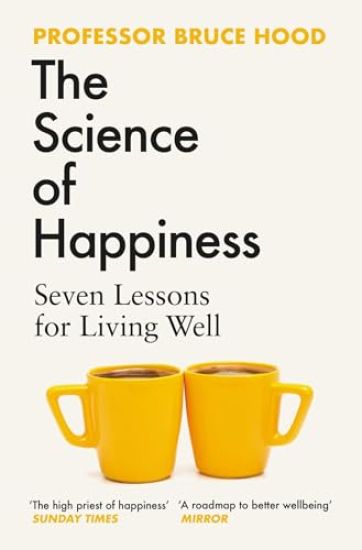
The Science of Happiness

The Science of Happiness

Bruce Hood

SIMON SCHUSTER LTD
2024
pokkari
We are all born egocentric. As children we see the world almost entirely from our own perspective. As we grow, we learn that other people have their own perspectives, and we also learn that we can adopt their perspectives to get along. We become more allocentric: more aware of the views, wants and needs of others. But many of us don’t achieve a healthy balance of egocentrism and allocentrism. What the science of happiness tells us is that achieving this balance is key to our wellbeing as adults. When we are too egocentric we become overly concerned with our inadequacies, compare ourselves constantly with others, and fail to see the good in our lives. We become the victim of our ego and we allow it to control us. But we can change for the better. Professor Bruce Hood draws on his expertise in child development, neuroscience and positive psychology to tell a radical new story about the roots of well-being and the obstacles that lie in our path. In this illuminating and inspiring book, he shows how we can harness the findings of the science of happiness to live sustainably happier lives.
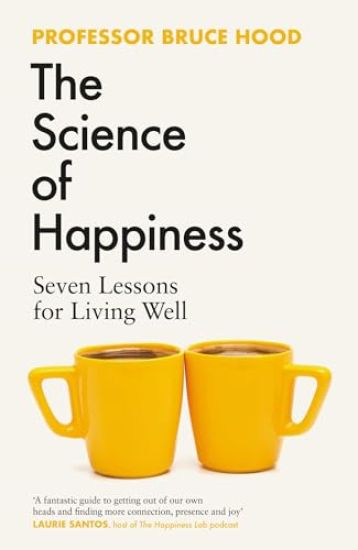
The Science of Happiness

The Science of Happiness

Bruce Hood

SIMON SCHUSTER LTD
2024
sidottu
‘The high priest of happiness’ SUNDAY TIMES‘A fantastic guide to getting out of our own heads and finding more connection, presence, and joy’ LAURIE SANTOS, host of The Happiness Lab podcast _______________________________________________________________________ We all want to be happier, but our brains often get in the way. When we’re too stuck in our heads we obsess over our inadequacies, compare ourselves with others and fail to see the good in our lives.In The Science of Happiness, world-leading psychologist and happiness expert Bruce Hood demonstrates that the key to happiness is not self-care but connection. He presents seven simple but life-changing lessons to break negative thought patterns and re-connect with the things that really matter. Alter Your Ego Avoid Isolation Reject Negative Comparisons Become More Optimistic Control Your Attention Connect With Others Get Out of Your Own Head Grounded in decades of studies in neuroscience and developmental psychology, this book tells a radical new story about the roots of wellbeing and the obstacles that lie in our path. With clear, practical takeaways throughout, Professor Hood demonstrates how we can all harness the findings of this science to re-wire our thinking and transform our lives. _______________________________________________________________________‘Grounded in the best new science, written with wit and wisdom, and provides clear and valuable lessons for living your best life. Highly recommended!’ DANIEL GILBERT, author of the New York Times bestseller Stumbling on Happiness‘A wonderful guide to what actually makes people happier – full of wisdom backed by a wealth of scientific evidence’ ROBERT WALDINGER, author of The Good Life: Lessons from the World's Longest Study on Happiness‘The most erudite, thoughtful, and original take on this important subject I have ever encountered’ MICHAEL SHERMER, author of Why People Believe Weird Things'A roadmap to better wellbeing' MIRROR
Possessed

Possessed

Bruce Hood

Penguin Books Ltd
2020
pokkari
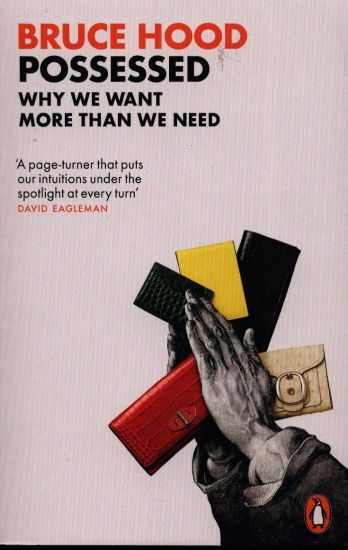
'Beautifully written and brilliantly argued, Possessed is one of the few things you really need to own' Daniel GilbertHow ownership came to own us - and what we can do about itOur love affair with possessions seems to be all-consuming, even as we face economic and environmental breaking points. The global pandemic is a wake-up call that forces us to reassess what we value most in our lives, and yet we remain reluctant to change our ways when it comes to accumulating things. Why?The answer is our need for ownership. A uniquely human preoccupation rooted in our biology, psychological ownership can be seen in everything from nations fighting over resources to the rise of political extremism.Award-winning psychologist Bruce Hood draws on his own and international research to explain why ownership is an emotional state of mind that governs our behaviour from cradle to grave, even when it is often irrational and destructive. Does our shopping define us? What motivates us to buy more than we need? Why do some cultures favour shared community ownership and others individual? How does our urge to acquire control our behaviour in times of crisis? Timely and persuasive, Possessed is the first book to explore how ownership has us in thrall to the relentless pursuit of a false happiness, with damaging consequences for society and the planet - and how we can stop buying into it.
Psychology

Psychology

Daniel Schacter; Daniel Gilbert; Daniel Wegner; Bruce Hood

Red Globe Press
2019
nidottu
This globally-focused and renowned textbook spans the entire discipline of psychology - from the fundamental principles of psychology as a science, to more nuanced approaches in core disciplines such as cognitive, developmental, social and personality psychology. Woven together with engaging features, research boxes and activities that will help students to both think like a scientist and stretch their imagination. In-depth and yet written with irresistible enthusiasm and humour by a world-renowned team of psychologists and researchers, this book is a complete course companion for all undergraduate psychology students. It is both engaging and yet scientifically sound and theoretically rigorous. The only book students need as they begin their study of psychology.
Possessed

Possessed

Bruce Hood

Oxford University Press Inc
2019
sidottu
Ownership is on most people's lips these days, or at least the lack of ownership. Everywhere people seem to be fighting over what is theirs. They want to take back their property, their lands, their liberty, their bodies, their identity, and their right to do what they want. These are all things people can own. These demands are quite remarkable when you consider that ownership is not an observable property but rather an abstract concept. And yet this abstract concept controls just about everything we do, and can do. What we can call ours, what we can do, where we can go, and who we are is all determined by ownership, but we rarely stop to consider how it rules our lives. Ownership even explains the anger and political turmoil that is currently sweeping over Western democracies. People feel they have had something taken away, something they used to own in the past and want back.
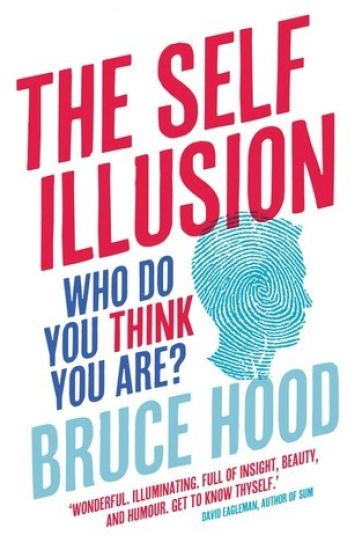
The Self Illusion: How the Social Brain Creates Identity
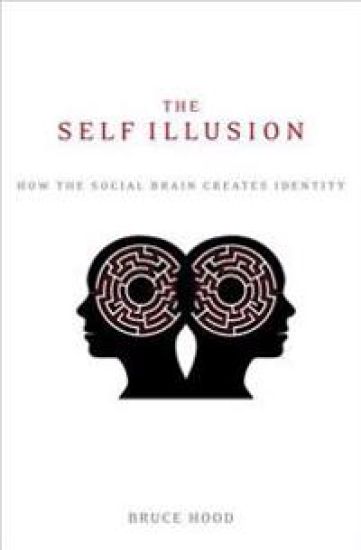
Most of us believe that we are unique and coherent individuals, but are we? The idea of a "self" has existed ever since humans began to live in groups and become sociable. Those who embrace the self as an individual in the West, or a member of the group in the East, feel fulfilled and purposeful. This experience seems incredibly real but a wealth of recent scientific evidence reveals that this notion of the independent, coherent self is an illusion - it is not what it seems. Reality as we perceive it is not something that objectively exists, but something that our brains construct from moment to moment, interpreting, summarizing, and substituting information along the way. Like a science fiction movie, we are living in a matrix that is our mind.In The Self Illusion, Dr. Bruce Hood reveals how the self emerges during childhood and how the architecture of the developing brain enables us to become social animals dependent on each other. He explains that self is the product of our relationships and interactions with others, and it exists only in our brains. The author argues, however, that though the self is an illusion, it is one that humans cannot live without.But things are changing as our technology develops and shapes society. The social bonds and relationships that used to take time and effort to form are now undergoing a revolution as we start to put our self online. Social networking activities such as blogging, Facebook, Linkedin and Twitter threaten to change the way we behave. Social networking is fast becoming socialization on steroids. The speed and ease at which we can form alliances and relationships is outstripping the same selection processes that shaped our self prior to the internet era. This book ventures into unchartered territory to explain how the idea of the self will never be the same again in the online social world.