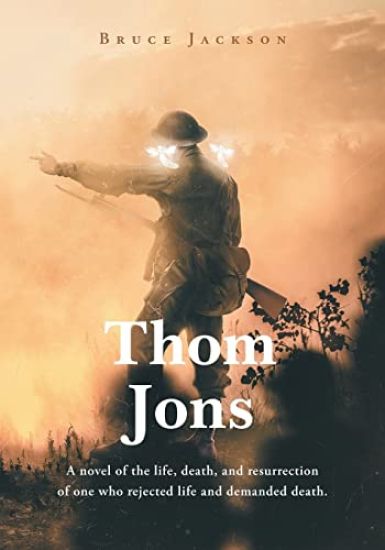
What is universal reality? Is this world interested in a realistic vision of what life is like beyond death?Is our world curious about how an understanding of a realistic presentation of heaven might impact our lives in this age of alternative truth, unreality, entrenched self-interest, and systemic racism?Would individuals be interested in a narrative about our universe that is neither a Star Wars fantasy nor a fiction perpetrated by religionists with a social/religious agenda? Would anyone have an interest in discovering what universal teachers or resurrected beings might say to us beyond the veil of death?Is racism, evil, hate, cheating, greed, lying, murder, rape, selfishness, and etcetera something that is okay with our universe? If it is, then the very concept of eternal life has no meaning and is utterly inviable. We humans of the Planet of the Cross have known this for well over two thousand years. So why are these issues such a problem on our planet today? Are our universal leaders pleased with our progress?We live in an age where our greatest human handicap is our lack of understanding of our ascendant future and the reality of our universal lives. On earth, we are embryonic souls locked within the limits of the womb. From earth, we pass into universal infancy. What happens when our eyes open?Premise: "There are as many paths to the Portals of Paradise as there are Ascending Pilgrims going there. Each ascenders path is utterly unique. Any religious practice that believes that it has the 'one and only truth' speaks more in arrogance than in the knowledge of universal truth." This fictional work reflects on our mortal lives from the perspective of unseen universal beings and from the experiences of ascenders who have passed through the veil of human death. As all beings are the children of our Mother/Father God, all are truly equal siblings; "there is no racial supremacy because there are no racists in heaven." This novel calls for the cultivation of genuine human equality through the end of systemic racism. It suggests a new perspective on ascendant living for mortal beings.Plot: The narrative covers the progression of life in a Southern American town during the first three decades of the twentieth century. The characters experience social divisions, poverty, World War I, pandemic, prohibition, suffrage, clerical rape, lynching, gay marriage, economic collapse, and systemic racism. The story is presented from the perspective of a diverse cast of characters ranging from judges, politicians, hoodlums, teachers, businessmen, soldiers, wealthy whites, lower-class whites, and folks from a colored community. Their lives are reflected upon by their guardian angels and unseen universal teachers. Part 1 covers the lives of folks around Thom Jons, a war hero and entrepreneur who gradually descends into rejecting life by demanding death. Part 2 begins after the dispensational resurrection of the souls onto Mansion One. All the resurrected characters protest that Thom Jons had failed to be resurrected. They demand and win a tribunal before Melchizedek to convince Thom to be born into the reality of ascendant eternal life. After introductions by Melchizedek, the tribunal consists of the reflections of each ascender on their earthly lives, Thom's positive mortal legacy, and their experiences, lessons, and new perspectives learned after their resurrection. They invite Thom to join them in the adventure of universal progress, spiritual development, and an ever-evolving living faith. For they have understood the experience of the Ascendant Will of God in the fulfillment of their personal spiritual assignments by God the Father and their communal service experience with the Eternal Mother.