Kirjailija
Bud Hunton
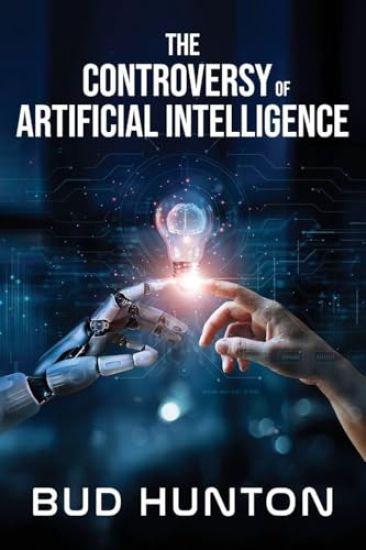
Kirjat ja teokset yhdessä paikassa: 12 kirjaa, julkaisuja vuosilta 2019-2026, suosituimpien joukossa The Controversy of Artificial Intelligence. Vertaile teosten hintoja ja tarkista saatavuus suomalaisista kirjakaupoista.
12 kirjaa
Kirjojen julkaisuhaarukka 2019-2026.

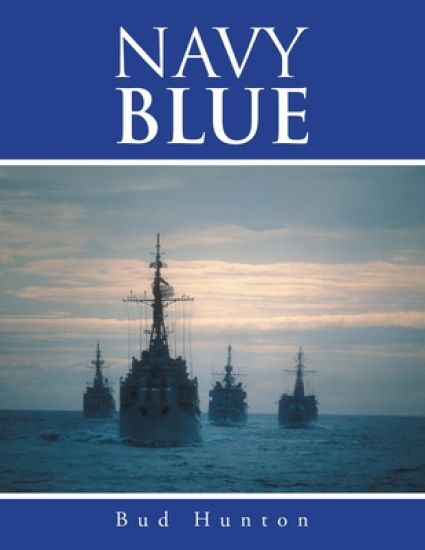
Navy Blue 2 is a true story about a seventeen-year-old boy from Ohio who traveled the globe experiencing things that he would have never seen from his rural community of Wapakoneta, Ohio. In the nineteen fifties there was a military draft underway that would provide this young man with mature friends and get him started on the road to life, and what would eventually become a military career. Not only would he "join the Navy and see the world", he would also meet an interesting assortment of friends.
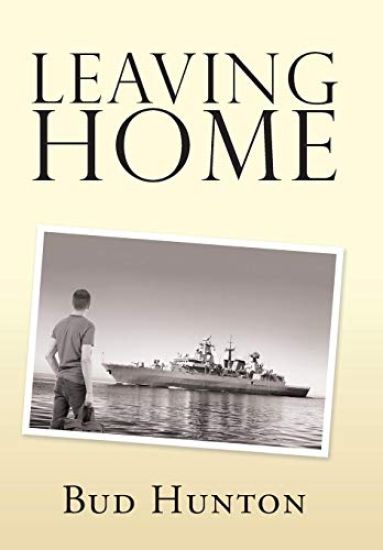
Leaving home II is the story of a 17-year-old boy from a small town in Ohio. His journey began in 1955 when he dropped out of high school and enlisted in the Navy with his parents' signature. Bud met four draftees from Cleveland, Ohio while he was training as a medical corpsman at the Great lakes Naval Training Center. These four college drop outs would "adopt" Bud as a younger brother and get him started on a more promising career path. Bud's travels would take him to various countries and cultures before his retirement from the Navy in 1975. Leaving Home II will be Buds ninth publication. His final book will be his autobiography titled "Looking Back at Me" and will include his most unusual and interesting experiences such as working with the C.I.A, and F.B.I. while on active duty in the Navy and other occurrences while director of radiology at Grandview Hospital, in Dayton, Ohio.
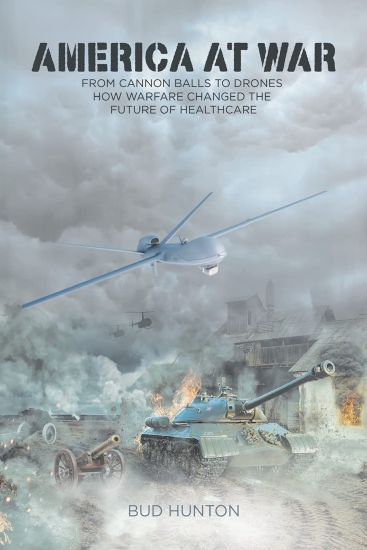
Prepare to be surprised. America at War from Cannon Balls to Drones will illustrate amazing facts about the ten wars our country has survived with amazing results. Although wars are infamous for loss of life and injury, the author will provide factual information on the various ways that each war produced improvements in methodology and treatment of injuries, illness and improved the outcome for millions of Americans. New technology from each war will be discussed as well as how we dealt with the Spanish pandemic of 1918 and how it compared with our current battle with the COVID-19 virus. In the early years of war (1775-1783), medical care took a turn for the worse with the majority of soldiers dying from disease due to unsanitary conditions. In 1812, the typical soldier still died from infectious diseases such as dysentery, typhoid, and pneumonia-the number one killer at the time. Eventually, handwashing would be introduced, reducing infections and saving lives. Other early medical improvements would include anesthesia, tourniquets, amputations, prosthetics, and embalming. Amputations saved more lives than any other wartime medical procedure. Later wars will see the invention of technology such as sonar (ultrasound), radar, and thermography, to name a few.