Kirjojen hintavertailu. Mukana 12 152 606 kirjaa ja 12 kauppaa.

Kirjailija

C. Richard King

Kirjat ja teokset yhdessä paikassa: 10 kirjaa, julkaisuja vuosilta 2002-2019, suosituimpien joukossa Beyond Hate. Vertaile teosten hintoja ja tarkista saatavuus suomalaisista kirjakaupoista.

Mukana myös kirjoitusasut: C Richard King

10 kirjaa

Kirjojen julkaisuhaarukka 2002-2019.

Redskins

Redskins

C. Richard King

University of Nebraska Press
2019
pokkari
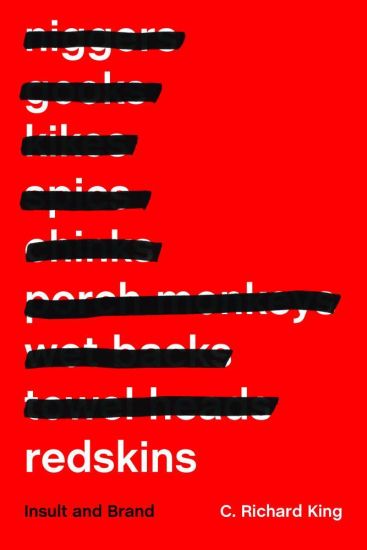
The Washington Redskins franchise remains one of the most valuable in professional sports, in part because of its easily recognizable, popular, and profitable brand. And yet “redskins” is a derogatory name for American Indians. The number of grassroots campaigns to change the name has risen in recent years despite the current team owner’s assertion that the team will never do so. Franchise owners counter criticism by arguing that the team name is positive and a term of respect and honor that many American Indians embrace. The NFL, for its part, actively defends the name and supports it in court. Prominent journalists, politicians, and former players have publicly spoken out against the use of “Redskins” as the name of the team. Sportscaster Bob Costas denounced the name as a racial slur during a halftime show in 2013. U.S. Representative Betty McCollum marched outside the stadium with other protesters––among them former Minnesota Vikings player Joey Browner––urging that the name be changed.Redskins: Insult and Brand examines how the ongoing struggle over the team name raises important questions about how white Americans perceive American Indians, about the cultural power of consumer brands, and about continuing obstacles to inclusion and equality. C. Richard King examines the history of the team’s name, the evolution of the term “redskin,” and the various ways in which people both support and oppose its use today. King’s hard-hitting approach to the team’s logo and mascot exposes the disturbing history of a moniker’s association with the NFL-a multibillion-dollar entity that accepts public funds-as well as popular attitudes toward Native Americans today.
Redskins

Redskins

C. Richard King

University of Nebraska Press
2016
sidottu
The Washington Redskins franchise remains one of the most valuable in professional sports, in part because of its easily recognizable, popular, and profitable brand. And yet “redskins” is a derogatory name for American Indians. The number of grassroots campaigns to change the name has risen in recent years despite the current team owner’s assertion that the team will never do so. Franchise owners counter criticism by arguing that the team name is positive and a term of respect and honor that many American Indians embrace. The NFL, for its part, actively defends the name and supports it in court. Prominent journalists, politicians, and former players have publicly spoken out against the use of “Redskins” as the name of the team. Sportscaster Bob Costas denounced the name as a racial slur during a halftime show in 2013. U.S. Representative Betty McCollum marched outside the stadium with other protesters––among them former Minnesota Vikings player Joey Browner––urging that the name be changed.Redskins: Insult and Brand examines how the ongoing struggle over the team name raises important questions about how white Americans perceive American Indians, about the cultural power of consumer brands, and about continuing obstacles to inclusion and equality. C. Richard King examines the history of the team’s name, the evolution of the term “redskin,” and the various ways in which people both support and oppose its use today. King’s hard-hitting approach to the team’s logo and mascot exposes the disturbing history of a moniker’s association with the NFL-a multibillion-dollar entity that accepts public funds-as well as popular attitudes toward Native Americans today.
Unsettling America

Unsettling America

C. Richard King

Rowman Littlefield
2015
nidottu
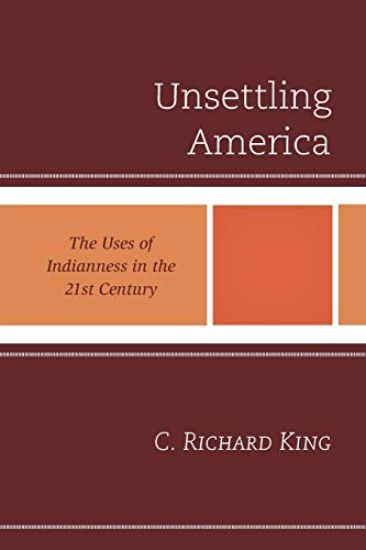
Unsettling America explores the cultural politics of Indianness in the 21st century. It concerns itself with representations of Native Americans in popular culture, the news media, and political debate and the ways in which American Indians have interpreted, challenged, and reworked key ideas about them. It examines the means and meanings of competing uses and understandings of Indianness, unraveling their significance for broader understandings of race and racism, sovereignty and self-determination, and the possibilities of decolonization. To this end, it takes up four themes: ·false claims about or on Indianness, that is, distortions, or ongoing stereotyping; ·claiming Indianness to advance the culture wars, or how indigenous peoples have figured in post-9/11 political debates; ·making claims through metaphors and juxtaposition, or the use of analogy to advance political movements or enhance social visibility; and ·reclamations, or exertion of cultural sovereignty.
Beyond Hate

Beyond Hate

C. Richard King; David J. Leonard

Routledge
2014
nidottu
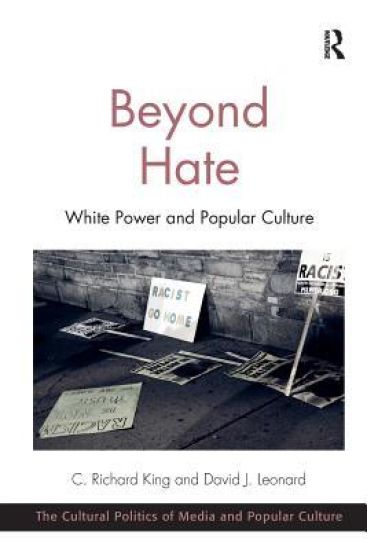
Beyond Hate offers a critical ethnography of the virtual communities established and discursive networks activated through the online engagements of white separatists, white nationalists, and white supremacists with various popular cultural texts, including movies, music, television, sport, video games, and kitsch. Outlining the ways in which advocates of white power interpret popular cultural forms, and probing the emergent spaces of white power popular culture, it examines the paradoxical relationship that advocates of white supremacy have with popular culture, as they finding it to be an irresistible and repugnant reflection of social decay rooted in multiculturalism. Drawing on a range of new media sources, including websites, chat rooms, blogs and forums, this book explores the concerns expressed by advocates of white power, with regard to racial hierarchy and social order, the crisis of traditional American values, the perpetuation of liberal, feminist, elitist ideas, the degradation of the family and the fetishization of black men. What emerges is an understanding of the instruments of power in white supremacist discourses, in which a series of connections are drawn between popular culture, multiculturalism, sexual politics and state functions, all of which are seen to be working against white men. A richly illustrated study of the intersections of white power and popular culture in the contemporary U.S., and the use of use cyberspace by white supremacists as an imagined site of resistance, Beyond Hate will appeal to scholars of sociology and cultural studies with interests in race and ethnicity, popular culture and the discourses of the extreme right.
Beyond Hate

Beyond Hate

C. Richard King; David J. Leonard

Routledge
2014
sidottu
Beyond Hate offers a critical ethnography of the virtual communities established and discursive networks activated through the online engagements of white separatists, white nationalists, and white supremacists with various popular cultural texts, including movies, music, television, sport, video games, and kitsch. Outlining the ways in which advocates of white power interpret popular cultural forms, and probing the emergent spaces of white power popular culture, it examines the paradoxical relationship that advocates of white supremacy have with popular culture, as they finding it to be an irresistible and repugnant reflection of social decay rooted in multiculturalism. Drawing on a range of new media sources, including websites, chat rooms, blogs and forums, this book explores the concerns expressed by advocates of white power, with regard to racial hierarchy and social order, the crisis of traditional American values, the perpetuation of liberal, feminist, elitist ideas, the degradation of the family and the fetishization of black men. What emerges is an understanding of the instruments of power in white supremacist discourses, in which a series of connections are drawn between popular culture, multiculturalism, sexual politics and state functions, all of which are seen to be working against white men. A richly illustrated study of the intersections of white power and popular culture in the contemporary U.S., and the use of use cyberspace by white supremacists as an imagined site of resistance, Beyond Hate will appeal to scholars of sociology and cultural studies with interests in race and ethnicity, popular culture and the discourses of the extreme right.
Unsettling America

Unsettling America

C. Richard King

Rowman Littlefield
2013
sidottu
Unsettling America explores the cultural politics of Indianness in the 21st century. It concerns itself with representations of Native Americans in popular culture, the news media, and political debate and the ways in which American Indians have interpreted, challenged, and reworked key ideas about them. It examines the means and meanings of competing uses and understandings of Indianness, unraveling their significance for broader understandings of race and racism, sovereignty and self-determination, and the possibilities of decolonization. To this end, it takes up four themes: ·false claims about or on Indianness, that is, distortions, or ongoing stereotyping; ·claiming Indianness to advance the culture wars, or how indigenous peoples have figured in post-9/11 political debates; ·making claims through metaphors and juxtaposition, or the use of analogy to advance political movements or enhance social visibility; and ·reclamations, or exertion of cultural sovereignty.
Animating Difference

Animating Difference

C. Richard King; Carmen R. Lugo-Lugo; Mary K. Bloodsworth-Lugo

Rowman Littlefield Publishers
2011
nidottu
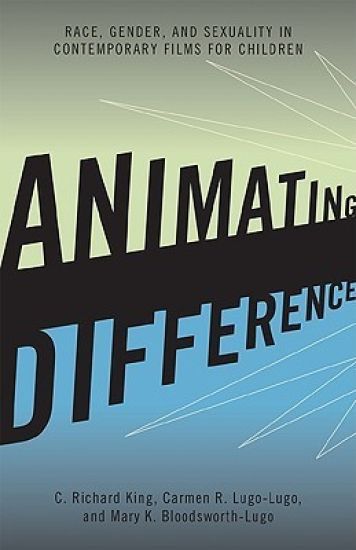
Animating Difference studies the way race, ethnicity, sexuality, and gender are portrayed in recent animated films from 1990 through the present. Ranging from Aladdin to Toy Story to Up, these popular films are key media through which children (and adults) learn about the world and how to behave. While racial and gender stereotypes may not be as obvious as they may have been in films of decades past, they often continue to convey troubling messages and stereotypes in subtle and surprising ways.
Animating Difference

Animating Difference

C. Richard King; Carmen R. Lugo-Lugo; Mary K. Bloodsworth-Lugo

Rowman Littlefield Publishers
2010
sidottu
Animating Difference studies the way race, ethnicity, sexuality, and gender are portrayed in recent animated films from 1990 through the present. Ranging from Aladdin to Toy Story to Up, these popular films are key media through which children (and adults) learn about the world and how to behave. While racial and gender stereotypes may not be as obvious as they may have been in films of decades past, they often continue to convey troubling messages and stereotypes in subtle and surprising ways.