Kirjojen hintavertailu. Mukana 12 210 159 kirjaa ja 12 kauppaa.

Kirjailija

Calvin Shipbaugh

Kirjat ja teokset yhdessä paikassa: 3 kirjaa, julkaisuja vuosilta 1995-2003, suosituimpien joukossa Space Weapons, Earth Wars. Vertaile teosten hintoja ja tarkista saatavuus suomalaisista kirjakaupoista.

3 kirjaa

Kirjojen julkaisuhaarukka 1995-2003.

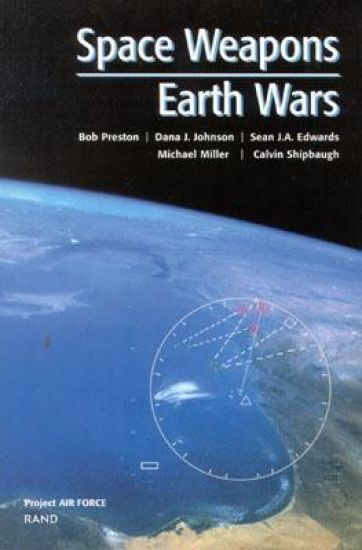
Space Weapons, Earth Wars

Space Weapons, Earth Wars

Bob Preston; Dana J. Johnson; Sean J.A. Edwards; Jennifer Gross; Michael Miller; Calvin Shipbaugh

RAND
2002
pokkari
Space weapons have been debated intensely in the past. The latest instance of prominent debate is over their use for ballistic missile defense. But this is not the only possible role for space weapons, and that fact raises a further concern: What if an adversary were to develop such weapons? Could one? Why would it? It is time for broader public discussion of the issues. Before deciding to acquire or forgo space weapons for terrestrial confict, the United States should fully discuss what such weapons can do, what they will cost, and the likely consequences of acquiring them. The authors of this report seek to aid this discussion not by arguing for or against space weapons but by describing their attributes, classifying and comparing them, and explaining how each might be used. The authors also explore how a nation might decide to acquire such weapons and how other nations might react.
Future Roles of U.S. Nuclear Forces

Future Roles of U.S. Nuclear Forces

Glenn C. Buchan; David Matonick; Calvin Shipbaugh; Richard Mesic

RAND
2003
pokkari
Since the end of the Cold War, the United States has been re-examining its basic assumptions about foreign policy and instruments of national security polcy. This study examines the possible roles of nuclear weapons in contemporary US national security policy.
The Potential of Nanotechnology for Molecular Manufacturing
Nanotechnologies are tools that measure and manipulate phenomena and objects at the nanoscale. Molecular manufacturing is the willful use of these two activities to create new objects or phenomena. The question of whether it is possible to achieve a stage in the foreseeable future when molecular manufacturing using nanotechnologies might be viable, and if so how to develop the field, is a point of contention in both scientific and policy circles. A framework for understanding the scope of this topic--possible benefits, development risks, and policy options--is presented, but it is not the intention of the authors to provide a definitive road map for future scientific and technological development; nor is it believed by the authors that such a detailed analysis would at present yield a fully credible road map given the immature nature of the field. Rather, it is the contention of this report that though important breakthroughs have been realized, much significant basic and applied research remains to be undertaken to realistically assess the far-term viability of many of the emerging concepts. However, a careful and objective technology feasibility assessment could help stimulate near-term interim achievements of great merit while preventing technological surprises from foreign players.