Kirjojen hintavertailu. Mukana 12 595 353 kirjaa ja 12 kauppaa.
Kirjailija
Carl Cederström
Kirjat ja teokset yhdessä paikassa: 12 kirjaa, julkaisuja vuosilta 2010-2026, suosituimpien joukossa Kontoret. Vertaile teosten hintoja ja tarkista saatavuus suomalaisista kirjakaupoista.
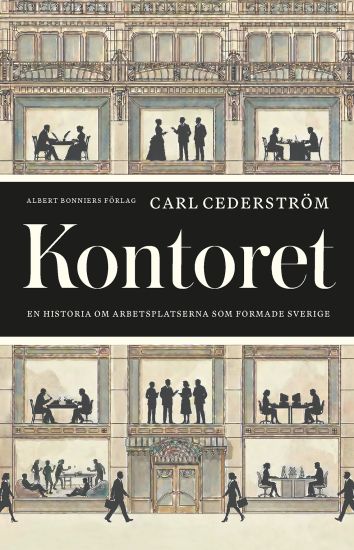
Det börjar 1622 med att det regnar in på ett kontor i Stockholm. Sedan följer en vindlande berättelse från Axel Oxenstiernas statsapparat, via Skeppsbrons handelshus, fram till modern tid då Sverige plötsligt hade fler tjänstemän per capita än något annat land i världen. "Kontoret" är en rik och levande kulturhistoria om kontorsbyggnader och livet innanför deras fasader. Men det är också berättelsen om personerna som format kontoret, från arkitekterna och ingenjörerna till kontorsråttorna, sekreterarna och byråcheferna. Resultatet är en berättelse om en sällsam arbetsplats som sällan varit i strålkastarljuset, men som präglat Sverige mer än vi anat.
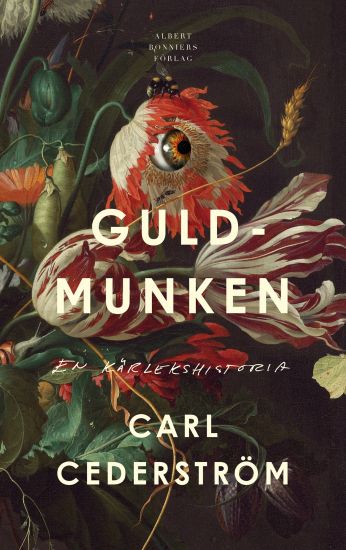
”Under hösten slutar jag röka och börjar titta på YouTube-videor där amerikanska hemmafruar visar hur man bäddar perfekta sängar och puffar kuddar i soffor. Jag lånar inredningstidningar av en granne och syr sammetsgardiner medmin mamma.”En guldmunk är en man som inte haft sex på ett år. Carl får lära sig ordet när han skiljer sig. Snart beskriver det honom själv. Medan vännerna försöker para ihop honom med olika tjejkompisar stannar Carl hellre hemma och städar. Han läser allt han kommer över om livskriser, viker plastpåsar och märker upp lådor med etiketter till sent in på nätterna.Men just som han fått ordning på sitt liv blir han kontaktad av K. Hon presenterar sig som hans städsjälsfrände och en omtumlande vänskap växer fram, först per brev och sedan genom möten. Hon retas och utmanar Carl, men är han beredd att ge sig hän igen, med allt stök som det kanske skulle föra med sig? Guldmunken är en berättelse från verkliga livet, om kärlek och kontroll, och om konsten att lära sig stå ut med ohyra.
In this devastatingly witty new book, Carl Cederström traces our present-day conception of happiness from its roots in early-twentieth-century European psychiatry, to the Beat generation, to Ronald Reagan and Donald Trump. He argues that happiness is now defined by a desire to be "authentic", to experience physical pleasure, and to cultivate a quirky individuality. But over the last fifty years, these once-revolutionary ideas have been co-opted by corporations and advertisers, pushing us to live lives that are increasingly unfulfilling, insecure and narcissistic. In an age of increasing austerity and social division, Cederström argues that a radical new dream of happiness is gathering pace. There is a vision of the good life which promotes deeper engagement with the world and our place within it, over the individualism and hedonism of previous generations. Guided by this more egalitarian worldview, we can reinvent ourselves and our societies.
In this devastatingly witty new book, Carl Cederström traces our present-day conception of happiness from its roots in early-twentieth-century European psychiatry, to the Beat generation, to Ronald Reagan and Donald Trump. He argues that happiness is now defined by a desire to be "authentic", to experience physical pleasure, and to cultivate a quirky individuality. But over the last fifty years, these once-revolutionary ideas have been co-opted by corporations and advertisers, pushing us to live lives that are increasingly unfulfilling, insecure and narcissistic. In an age of increasing austerity and social division, Cederström argues that a radical new dream of happiness is gathering pace. There is a vision of the good life which promotes deeper engagement with the world and our place within it, over the individualism and hedonism of previous generations. Guided by this more egalitarian worldview, we can reinvent ourselves and our societies.
Känner du att du borde träna mer? Har du börjat räkna ditt kaloriintag i sömnen? Skäms du för att du inte är lyckligare? Kanske har du då drabbats av wellnessyndromet. I sin uppmärksammade nya bok hävdar Carl Cederström och André Spicer att det sociala kravet att maximera vårt välbefinnande har börjat vändas emot oss. Istället för att må bättre, har vi börjat känna oss skuldtyngda och ångestfyllda. I Wellnessyndromet får vi följa hälsofreaks som gör allt för att hitta den perfekta dieten, företagsatleter som startar dagen med ett hälsoparty och livsloggare som mäter allt, inklusive sina egna toalettvanor. I denna värld tycks personligt välbefinnande förväxlas med etiskt handlande. Visioner om social förändring krymps ned till drömmar om individuell transformering, politiska diskussioner ersätts av fördomsfullt moraliserande och vetenskapliga bevis blandas ihop med andliga villfarelser. Denna träffande och humoristiska diagnos av den pågående wellnesskulten bör läsas av alla som någon gång har känt sig misstänksamma mot dagens frenetiska sökande efter det perfekta livet. Istället för att maniskt ängslas för vår personliga hälsa och lycka, borde vi kanske oroa oss mer för den sjuklighet som ligger utanför vår kropp - i samhället och i världen
Not exercising as much as you should? Counting your calories in your sleep? Feeling ashamed for not being happier? You may be a victim of the wellness syndrome. In this ground-breaking new book, Carl Cederström and André Spicer argue that the ever-present pressure to maximize our wellness has started to work against us, making us feel worse and provoking us to withdraw into ourselves. The Wellness Syndrome follows health freaks who go to extremes to find the perfect diet, corporate athletes who start the day with a dance party, and the self-trackers who monitor everything, including their own toilet habits. This is a world where feeling good has become indistinguishable from being good. Visions of social change have been reduced to dreams of individual transformation, political debate has been replaced by insipid moralising, and scientific evidence has been traded for new-age delusions. A lively and humorous diagnosis of the cult of wellness, this book is an indispensable guide for everyone suspicious of our relentless quest to be happier and healthier.
Not exercising as much as you should? Counting your calories in your sleep? Feeling ashamed for not being happier? You may be a victim of the wellness syndrome. In this ground-breaking new book, Carl Cederström and André Spicer argue that the ever-present pressure to maximize our wellness has started to work against us, making us feel worse and provoking us to withdraw into ourselves. The Wellness Syndrome follows health freaks who go to extremes to find the perfect diet, corporate athletes who start the day with a dance party, and the self-trackers who monitor everything, including their own toilet habits. This is a world where feeling good has become indistinguishable from being good. Visions of social change have been reduced to dreams of individual transformation, political debate has been replaced by insipid moralising, and scientific evidence has been traded for new-age delusions. A lively and humorous diagnosis of the cult of wellness, this book is an indispensable guide for everyone suspicious of our relentless quest to be happier and healthier.
Capitalism has become strange. Ironically, while the 'age of work' seems to have come to an end, working has assumed a total presence - a 'worker's society' in the worst sense of the term - where everyone finds themselves obsessed with it. So what does the worker tell us today? "I feel drained, empty - dead." This book tells the story of the dead man working. It follows this figure through the daily tedium of the office, to the humiliating mandatory team building exercise, to awkward encounters with the funky boss who pretends to hate capitalism and tells you to be authentic. In this society, the experience of work is not of dying...but neither of living. It is one of a living death. And yet, the dead man working is nevertheless compelled to wear the exterior signs of life, to throw a pretty smile, feign enthusiasm and make a half-baked joke. When the corporation has colonized life itself, even our dreams, the question of escape becomes ever more pressing, ever more desperate.
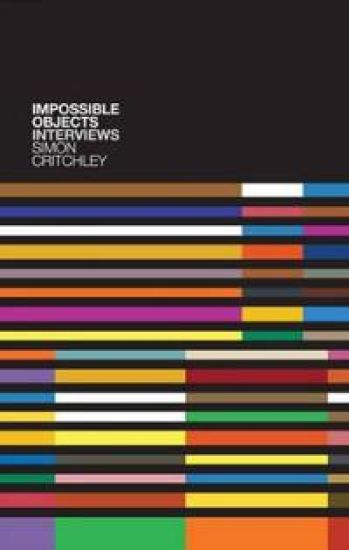
Impossible objects are those about which the philosopher, narrowly conceived, can hardly speak: poetry, film, music, humor. Such "objects" do not rely on philosophy for interpretation and understanding; they are already independent practices and sites of sensuous meaning production. As Elvis Costello has said, "writing about music is like dancing about architecture." We don't need literary theory in order to be riveted by the poem, nor a critic's analysis to enjoy a film. How then can philosophy speak about anything outside of itself, namely all of those things which actually matter to us in this world? In Impossible Objects, Simon Critchley - one of the most influential and insightful philosophers writing today - extends his philosophical investigation into non-philosophical territories, including discussions on tragedy, poetry, humor, and music. In a series of engaging and enlightening conversations, Critchley reflects on his early work on the ethics of deconstruction; the recurring themes of mortality and nihilism; his defense of neo-anarchism; and his recent investigation into secular faith, or "a faith of the faithless". Essential reading for artists, academics, and general readers alike, this book explores the relationship between the philosophical world and those complex and fascinating "impossible objects" which give life meaning.
Impossible objects are those about which the philosopher, narrowly conceived, can hardly speak: poetry, film, music, humor. Such "objects" do not rely on philosophy for interpretation and understanding; they are already independent practices and sites of sensuous meaning production. As Elvis Costello has said, "writing about music is like dancing about architecture." We don't need literary theory in order to be riveted by the poem, nor a critic's analysis to enjoy a film. How then can philosophy speak about anything outside of itself, namely all of those things which actually matter to us in this world? In Impossible Objects, Simon Critchley - one of the most influential and insightful philosophers writing today - extends his philosophical investigation into non-philosophical territories, including discussions on tragedy, poetry, humor, and music. In a series of engaging and enlightening conversations, Critchley reflects on his early work on the ethics of deconstruction; the recurring themes of mortality and nihilism; his defense of neo-anarchism; and his recent investigation into secular faith, or "a faith of the faithless". Essential reading for artists, academics, and general readers alike, this book explores the relationship between the philosophical world and those complex and fascinating "impossible objects" which give life meaning.
The question of how to lead a happy and meaningful life has been at the heart of philosophical debate since time immemorial. Today, however, these questions seem to be addressed not by philosophers but self-help gurus, who frantically champion the individual's quest for self-expression and self-realization; the desire to become authentic. Against these new age sophistries, How to Stop Living and Start Worrying tackles the question of 'how to live' by forcing us to explore our troubling relationship with death. For Critchley, philosophy begins with the question of finitude and with his understanding of a key classical theme - that to philosophize is to learn how to die. Learning how to accept both our own and others' mortality as a part of life also raises the question of how to love. Critchley argues that the act of love requires us to give up something of ourselves, to lose control so as to be open to the demands of love. We will never be equal to this demand and so we are brought face to face with our own limitations - one form of which is what Critchley calls our 'originary inauthenticity'. By scrutinizing the very nature of humour, Critchley explores what we need to laugh at ourselves and presents the need to confront the inescapable ridiculousness of life. Reflecting on the work of over 20 years, this book provides a unique, witty and erudite introduction to the thought of Simon Critchley. It includes a revealing biographical conversation with Critchley and a fascinating debate with the critically acclaimed novelist Tom McCarthy about the nature of authenticity. Taken together the conversations give an intimate portrait of one of the most lucid, provocative and engaging philosophers writing today.
The question of how to lead a happy and meaningful life has been at the heart of philosophical debate since time immemorial. Today, however, these questions seem to be addressed not by philosophers but self-help gurus, who frantically champion the individual's quest for self-expression and self-realization; the desire to become authentic. Against these new age sophistries, How to Stop Living and Start Worrying tackles the question of 'how to live' by forcing us to explore our troubling relationship with death. For Critchley, philosophy begins with the question of finitude and with his understanding of a key classical theme - that to philosophize is to learn how to die. Learning how to accept both our own and others' mortality as a part of life also raises the question of how to love. Critchley argues that the act of love requires us to give up something of ourselves, to lose control so as to be open to the demands of love. We will never be equal to this demand and so we are brought face to face with our own limitations - one form of which is what Critchley calls our 'originary inauthenticity'. By scrutinizing the very nature of humour, Critchley explores what we need to laugh at ourselves and presents the need to confront the inescapable ridiculousness of life. Reflecting on the work of over 20 years, this book provides a unique, witty and erudite introduction to the thought of Simon Critchley. It includes a revealing biographical conversation with Critchley and a fascinating debate with the critically acclaimed novelist Tom McCarthy about the nature of authenticity. Taken together the conversations give an intimate portrait of one of the most lucid, provocative and engaging philosophers writing today.