Kirjojen hintavertailu. Mukana 12 390 323 kirjaa ja 12 kauppaa.

Kirjailija

Carl Whittaker

Kirjat ja teokset yhdessä paikassa: 42 kirjaa, julkaisuja vuosilta 2023-2025, suosituimpien joukossa Morality 3.0. Vertaile teosten hintoja ja tarkista saatavuus suomalaisista kirjakaupoista.

42 kirjaa

Kirjojen julkaisuhaarukka 2023-2025.

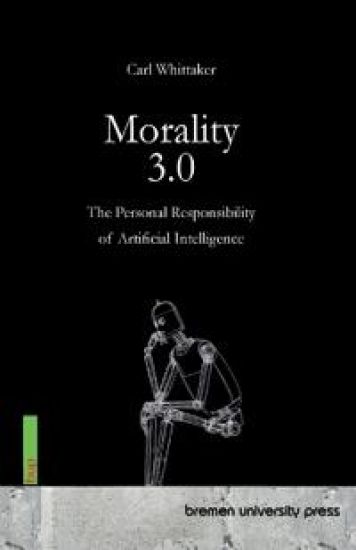
Morality 3.0

Morality 3.0

Carl Whittaker

Bremen University Press
2025
pokkari
Artificial intelligence is changing the world-but who is responsible for its/our/your/everyone's actions? This book addresses one of the most pressing questions of our time: the personal responsibility of artificial intelligence. As machines learn to make decisions, our understanding of autonomy, morality, and law is shifting. What happens when systems act without their creators being able to fully comprehend their behavior? Can AI take responsibility-or will it forever remain a tool of human intentions? The author takes an interdisciplinary approach, drawing on philosophy, ethics, technology, law, and society to paint a picture of a civilization in transition: from instrumental to interactive technology, from individual to shared responsibility. He shows how legal and moral categories reach their limits when learning systems become independent actors-and why the future of responsibility lies not in machines, but in the relationship between humans and machines. A profound, well-founded work on the ethical and legal redefinition of action in the age of algorithmic culture. Bremen University Press has published over 5,500 specialist books in various languages since 2005. Carl Whittaker is also the author of "The Psychoses of Artificial Intelligence" (2nd edition 2024). November 2025

Moral 3.0

Moral 3.0

Carl Whittaker

Bremen University Press
2025
pokkari
K nstliche Intelligenz ver ndert die Welt - aber wer tr gt Verantwortung f r ihr/unser/euer/aller Handeln? Dieses Buch widmet sich einer der dr ngendsten Fragen unserer Zeit: der Eigenverantwortlichkeit der k nstlichen Intelligenz. W hrend Maschinen lernen, Entscheidungen zu treffen, verschiebt sich das Verst ndnis von Autonomie, Moral und Recht. Was geschieht, wenn Systeme handeln, ohne dass ihre Sch pfer ihr Verhalten noch vollst ndig nachvollziehen k nnen? Kann eine KI Verantwortung bernehmen - oder bleibt sie f r immer Werkzeug menschlicher Absichten? Der Autor f hrt interdisziplin r durch Philosophie, Ethik, Technik, Recht und Gesellschaft und zeichnet das Bild einer Zivilisation im bergang: von der instrumentellen zur interaktiven Technologie, von der individuellen zur geteilten Verantwortung. Er zeigt, wie juristische und moralische Kategorien an ihre Grenzen sto en, wenn lernende Systeme zu eigenst ndigen Akteuren werden - und warum die Zukunft der Verantwortung nicht in der Maschine, sondern im Verh ltnis zwischen Mensch und Maschine liegt. Ein tiefgr ndiges, fundiertes Werk ber die ethische und rechtliche Neubestimmung des Handelns im Zeitalter der algorithmischen Kultur. Bremen University Press hat seit 2005 ber 5.500 Fachb cher in verschiedenen Sprachen publiziert. Carl Whittaker ist ebenfalls Autor des Werkes "Die Psychosen der K nstlichen Intelligenz" (2. Auflage 2024) November 2025
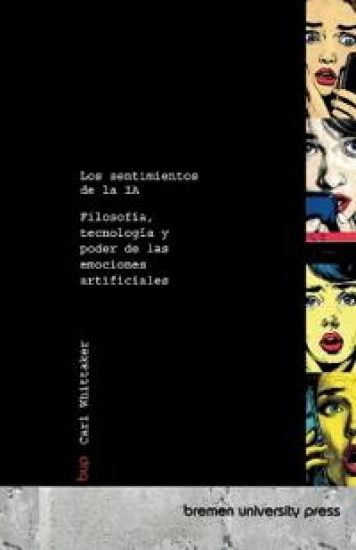
I sentimenti dell'IA: Filosofia, tecnologia e potere delle emozioni artificiali
Macchine in grado di riconoscere, imitare e forse persino influenzare le emozioni: ci che sembra fantascienza ormai parte integrante della nostra quotidianit . Gli assistenti vocali reagiscono alla frustrazione, i robot infermieristici offrono conforto e i social media amplificano in modo mirato la nostra indignazione. Ma cosa significa quando la tecnologia tocca gli aspetti pi sensibili dell'esistenza umana? Questo libro introduce al mondo affascinante e inquietante delle emozioni artificiali. Spiega i fondamenti psicologici e neurobiologici delle emozioni, mostra come l'intelligenza artificiale le analizzi oggi sulla base del linguaggio, delle espressioni facciali o dei sensori e descrive come le macchine simulino in modo convincente l'empatia. chiaro che spesso gli utenti non sono in grado di distinguere se si tratta di vera compassione o di una simulazione perfetta. L'attenzione non si concentra solo sulle opportunit - ad esempio nella medicina, nell'assistenza, nell'istruzione e nell'arte - ma anche sui pericoli: sorveglianza emotiva sul posto di lavoro, pubblicit manipolatoria, strumentalizzazione politica e possibile perdita di autenticit nelle relazioni umane. Riflessioni filosofiche ed etiche pongono la grande domanda: le macchine possono davvero provare sentimenti o stiamo ingannando noi stessi? Tra entusiasmo e scetticismo, tra utopia e distopia, il libro traccia un panorama completo di uno dei temi pi interessanti del nostro tempo. Invita a ripensare il ruolo delle emozioni in un mondo di intelligenza artificiale - in modo critico, interdisciplinare e con un pizzico di ironia. Dal 2005 la Bremen University Press ha pubblicato oltre 5.000 libri specialistici in diverse lingue.
The Feelings of AI: Philosophy, Technology, and the Power of Artificial Emotions
Machines that recognize, imitate, and perhaps even influence emotions-what sounds like science fiction has long been part of our everyday lives. Voice assistants respond to frustration, care robots offer comfort, and social media deliberately amplify our outrage. But what does it mean when technology touches on the most sensitive areas of human existence? This book introduces readers to the fascinating and unsettling world of artificial emotions. It explains the psychological and neurobiological foundations of feelings, shows how AI analyzes them today using language, facial expressions, and sensors, and describes how machines convincingly simulate empathy. In doing so, it becomes clear that users often find it difficult to distinguish between genuine compassion and perfect simulation. The focus is not only on opportunities-for example, in medicine, care, education, and art-but also on the dangers: emotional surveillance in the workplace, manipulative advertising, political instrumentalization, and the possible loss of authenticity in human relationships. Philosophical and ethical reflections pose the big question: Can machines feel at all-or are we deceiving ourselves? Between enthusiasm and skepticism, between utopia and dystopia, the book paints a comprehensive panorama of one of the most exciting topics of our time. It invites us to reconsider the role of emotions in a world of artificial intelligence - critically, interdisciplinarily, and with a touch of humor. Bremen University Press has published over 5,000 specialist books in various languages since 2005.
Die Psychosen der Künstlichen Intelligenz

Die Psychosen der Künstlichen Intelligenz

Carl Whittaker

Bremen University Press
2025
nidottu
Die Psychosen der K nstlichen Intelligenz - so nennen wir augenzwinkernd jene Momente, in denen KI-Systeme nicht logisch, sondern eher... naja, "kreativ" reagieren. Ursache sind meist schiefe Daten: unvollst ndig, fehlerhaft oder voller Vorurteile. Und schon halluziniert die Maschine fr hlich drauflos. Manchmal verst rkt sie alte Klischees: Bewerbungen werden nach Namen sortiert, Kredite nach Hautfarbe vergeben, und das Strafjustizsystem bekommt pl tzlich eine digitale Glaskugel. Nicht wirklich das, was wir unter Fortschritt verstehen. Manchmal wird es aber auch richtig gef hrlich: ein Auto, das eine Fu g ngerin f r eine Plastikt te h lt, oder ein Diagnosesystem, das den Blinddarm mit dem Mittagssandwich verwechselt. Um solche KI-Launen im Zaum zu halten, braucht es kluge K pfe aus vielen Disziplinen. Forscher t fteln an Algorithmen, die Fehlverhalten erkennen, berwachungssysteme analysieren die Leistung in Echtzeit - kurzum: eine Art digitale Psychiatrie f r Maschinen. Carl Whittaker hat dazu bereits das Grundlagenwerk Die Psychologie der K nstlichen Intelligenz (Bremen University Press, 2023) vorgelegt. Dieses Buch liefert nun die passenden Fallgeschichten f r alle, die wissen wollen, warum auch KIs manchmal dringend "therapiert" werden m ssten. Bremen University Press hat seit 2005 rund 5.000 Titel verlegt. 2.Auflage September 2025