Kirjojen hintavertailu. Mukana 12 175 108 kirjaa ja 12 kauppaa.

Kirjailija

Carol Armstrong

Kirjat ja teokset yhdessä paikassa: 5 kirjaa, julkaisuja vuosilta 2004-2026, suosituimpien joukossa Silke Otto–Knapp – In the Waiting Room. Vertaile teosten hintoja ja tarkista saatavuus suomalaisista kirjakaupoista.

5 kirjaa

Kirjojen julkaisuhaarukka 2004-2026.

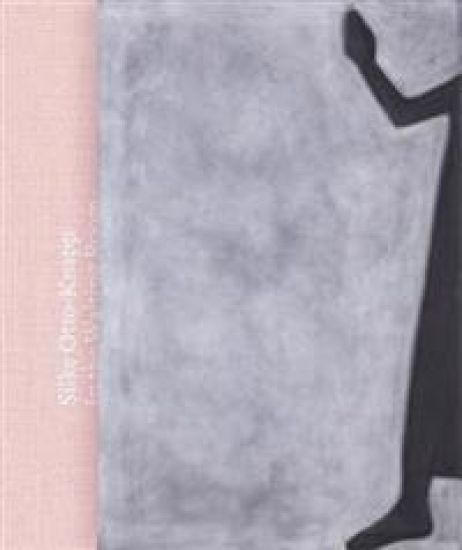
Silke Otto–Knapp – In the Waiting Room

Silke Otto–Knapp – In the Waiting Room

Silke Otto–knapp; Solveig Øvstebø; Carol Armstrong; Darby English; Rachel Hann

Renaissance Society at the University of Chicago
2021
nidottu
Los Angeles-based artist Silke Otto-Knapp has developed a painting practice characterized by its rigorous process and attentiveness to the medium’s possibilities. Using layers of black watercolor pigment, she builds up delicate surfaces, producing subtle variations in density and a powerful sense of atmosphere. Otto-Knapp’s exhibition at the Renaissance Society, In the waiting room, presented a new group of large-scale free-standing paintings in that evokes a multidimensional stage set. Some depict silhouetted bodies while others introduce scenic elements reminiscent of painted backdrops. Offering a close look at the exhibition, this volume includes an array of illustrations, a conversation between curator Solveig Øvstebø and the artist, and four newly commissioned essays by Carol Armstrong, Darby English, Rachel Hann, and Catriona MacLeod, grounded in art history and performance studies.
The Matter of Still Life

The Matter of Still Life

Carol Armstrong

University of California Press
2026
sidottu
How does still life “matter”? Through two essays based on Carol Armstrong's 2020 Franklin D. Murphy Lectures at the University of Kansas, this project brings into focus material thought as it relates to still life. Exploring two major figures of European still life painting—eighteenth-century French artist Jean-Baptiste-Siméon Chardin and twentieth-century Italian painter Giorgio Morandi—Armstrong provides close readings, discussing these artists' paintings in relation to the works of other European painters, philosophers, and critics whose works intersect on the question of how we understand materiality in relation to still life painting and the material objects this genre represents.
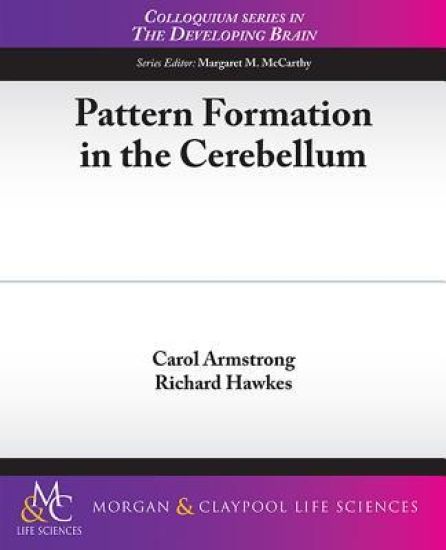
Pattern Formation in the Cerebellum

Pattern Formation in the Cerebellum

Carol Armstrong; Richard Hawkes

Morgan Claypool Publishers
2013
nidottu
Pattern formation has fascinated biologists since the time of Aristotle, but only recently have new tools begun to reveal the underlying mechanisms that create these patterns during development. In particular, the central nervous system is dynamically patterned and highly modular, ranging from nuclear cell clusters in the brain stem and spinal cord to the elaborate cytoarchitecture of the neocortex. Similar developmental processes divide brain structures such as the cerebral cortex, basal ganglia, superior colliculus, and cerebellum into these sub-compartments. The way neural modules form and the mechanisms that establish connectivity between these modules is one of the most complex problems in neuroscience and also one of the most important. This monograph focuses on pattern formation in the developing cerebellum.
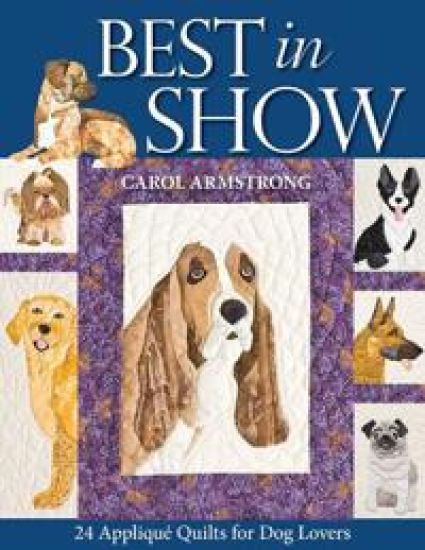
Best In Show

Best In Show

Carol Armstrong

C T Publishing
2009
nidottu
From the basset hound's mournful sincerity to the corgi's lively alertness, Carol Armstrong's designs capture that certain something that gives each breed its characteristic look. Now you can immortalize your own canine companion with her easy appliqué and quilting techniques.
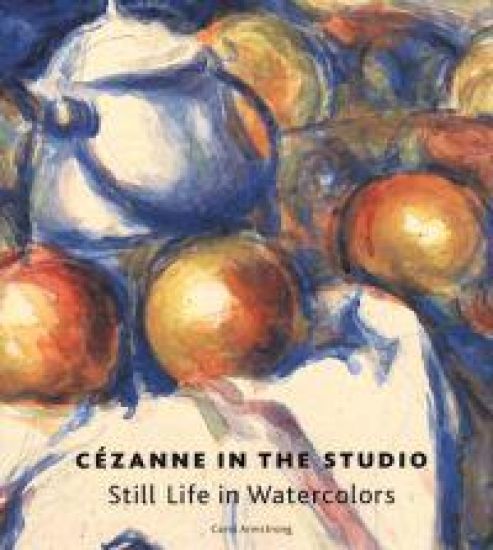
Cezanne in the Studio

Cezanne in the Studio

Carol Armstrong

GETTY TRUST PUBLICATIONS
2004
sidottu
In the last years of his life, Paul Cezanne produced a stunning series of watercolours, many of them still lifes. Still Life with Blue Pot is one of these late masterpieces; it is now in the collection of the Getty Museum. In Cezanne in the Studio: Still Life in Watercolors, Carol Armstrong places this great painting within the context of Cezanne's artistic and psychological development and of the history of the genre of still life in France. Still life - like the medium of watercolour - was traditionally considered to be "low" in the hierarchy of French academic painting. Cezanne chose to ignore this hierarchy, creating monumental still-life watercolours that contained echoes of grand landscapes and even historical paintings in the manner of Poussin - the "highest" of classical art forms. In so doing, he charged his still lifes with new meanings; both in terms of his own notoriously difficult personality and in the way he used the genre to explore the very process of looking at, and creating, art. Carol Armstrong's study - published to coincide with an exhibition at the Getty Museum from October 12, 2004 to January 2, 2005 - is a fascinating exploration of the brilliant watercolour paintings that brought Cezanne's career to a complex, and triumphant, conclusion. The book includes new photographic studies of the Getty's painting that allow the reader to encounter this great watercolour as never before - in its full richness and detail.