Kirjojen hintavertailu. Mukana 12 595 353 kirjaa ja 12 kauppaa.

Kirjailija

Carol J. Singley

Kirjat ja teokset yhdessä paikassa: 4 kirjaa, julkaisuja vuosilta 1995-2013, suosituimpien joukossa Adopting America. Vertaile teosten hintoja ja tarkista saatavuus suomalaisista kirjakaupoista.

4 kirjaa

Kirjojen julkaisuhaarukka 1995-2013.

Adopting America

Adopting America

Carol J. Singley

Oxford University Press Inc
2011
sidottu
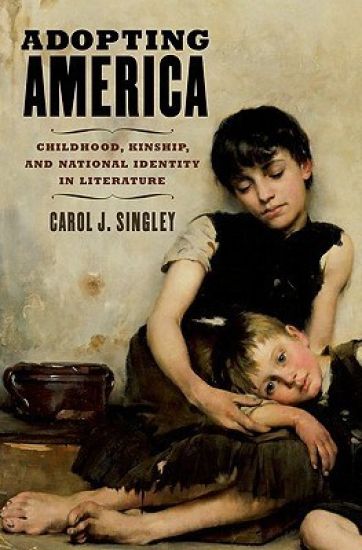
American literature abounds with orphans who experience adoption or placements that resemble adoption. These stories do more than recount adventures of children living away from home. They tell an American story of family and national identity. In narratives from the seventeenth to the early twentieth century, adoption functions as narrative event and trope that describes the American migratory experience, the impact of Calvinist faith, and the growth of democratic individualism. The roots of literary adoption appear in the discourse of Puritan settlers, who ambivalently took leave of their birth parent country and portrayed themselves as abandoned children. Believing they were chosen children of God, they also prayed for spiritual adoption and emulated God's grace by extending adoption to others. Nineteenth-century adoption literature develops from this notion of adoption as salvation and from simultaneous attachments to the Old World and the New. In domestic fiction of the mid-nineteenth century, adoption also reflects a focus on nurture in childrearing, increased mobility in the nation, and middle-class concerns over immigration and urbanization, assuaged when the orphan finds a proper, loving home. Adoption signals fresh starts and the opportunity for success without genealogical constraints, especially for white males, but inflected by gender and racial biases, it often entails dependency for girls and children of color. A complex signifier of difference, adoption gives voice to sometimes contradictory calls to origins and fresh beginning; to feelings of worthiness and unworthiness. In writings from Cotton Mather to Edith Wharton, it both replicates and offers an alternative to the genealogical norm, evoking ambivalence as it shapes national mythologies.
Adopting America

Adopting America

Carol J. Singley

Oxford University Press Inc
2013
nidottu
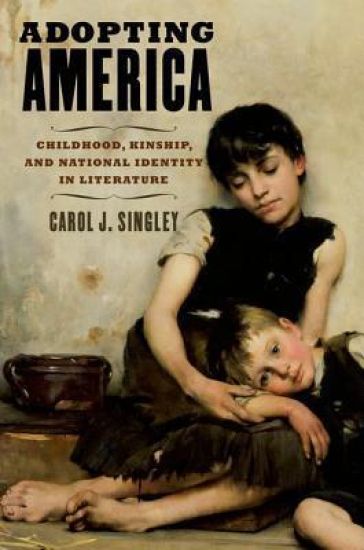
American literature abounds with orphans who experience adoption or placements that resemble adoption. These stories do more than recount adventures of children living away from home. They tell an American story of family and national identity. In narratives from the seventeenth to the early twentieth century, adoption functions as narrative event and trope that describes the American migratory experience, the impact of Calvinist faith, and the growth of democratic individualism. The roots of literary adoption appear in the discourse of Puritan settlers, who ambivalently took leave of their birth parent country and portrayed themselves as abandoned children. Believing they were chosen children of God, they also prayed for spiritual adoption and emulated God's grace by extending adoption to others. Nineteenth-century adoption literature develops from this notion of adoption as salvation and from simultaneous attachments to the Old World and the New. In domestic fiction of the mid-nineteenth century, adoption also reflects a focus on nurture in childrearing, increased mobility in the nation, and middle-class concerns over immigration and urbanization, assuaged when the orphan finds a proper, loving home. Adoption signals fresh starts and the opportunity for success without genealogical constraints, especially for white males, but inflected by gender and racial biases, it often entails dependency for girls and children of color. A complex signifier of difference, adoption gives voice to sometimes contradictory calls to origins and fresh beginning; to feelings of worthiness and unworthiness. In writings from Cotton Mather to Edith Wharton, it both replicates and offers an alternative to the genealogical norm, evoking ambivalence as it shapes national mythologies.
Edith Wharton

Edith Wharton

Carol J. Singley

Cambridge University Press
1998
pokkari
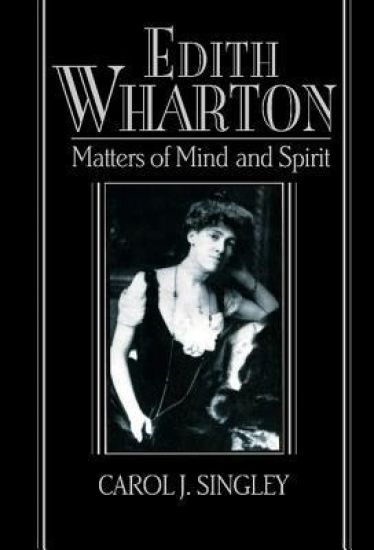
Edith Wharton: Matters of Mind and Spirit makes the case for Wharton as a novelist of morals rather than of manners; a novelist who sought answers to profound spiritual and metaphysical questions. Focusing on Wharton’s treatment of Anglicanism, Calvinism, Transcendentalism, and Catholicism, Carol Singley analyzes the short stories and seven novels in the light of religious and philosophical developments in Wharton’s life and fiction. Singley situates Wharton in the context of turn-of-the-century science, historicism, and aestheticism, reading her religious and philosophical outlook as an evolving response to the cultural crisis of belief. She invokes the dynamics of class and gender as central to Wharton’s quest, describing how the author accepted and yet transformed both the classical and Christian traditions that she inherited. By locating Wharton in the library rather than the drawing room, Matters of Mind and Spirit gives this writer her literary and intellectual due, and offers fresh ways of interpreting her life and fiction.
Edith Wharton

Edith Wharton

Carol J. Singley

Cambridge University Press
1995
sidottu
Edith Wharton: Matters of Mind and Spirit, first published in 1995, makes the case for Wharton as a novelist of morals rather than of manners; a novelist who sought answers to profound spiritual and metaphysical questions. Focusing on Wharton's treatment of Anglicanism, Calvinism, Transcendentalism, and Catholicism, Carol Singley analyzes the short stories and seven novels in the light of religious and philosophical developments in Wharton's life and fiction. Singley situates Wharton in the context of turn-of-the-century science, historicism, and aestheticism, reading her religious and philosophical outlook as an evolving response to the cultural crisis of belief. She invokes the dynamics of class and gender as central to Wharton's quest, describing how the author accepted and yet transformed both the classical and Christian traditions that she inherited. By locating Wharton in the library rather than the drawing room, Matters of Mind and Spirit gives this writer her literary and intellectual due, and offers fresh ways of interpreting her life and fiction.