
Kirjojen hintavertailu. Mukana 12 595 353 kirjaa ja 12 kauppaa.

Kirjailija

Carolyn C. Perrucci

Kirjat ja teokset yhdessä paikassa: 3 kirjaa, julkaisuja vuosilta 2006-2009, suosituimpien joukossa America at Risk. Vertaile teosten hintoja ja tarkista saatavuus suomalaisista kirjakaupoista.

3 kirjaa

Kirjojen julkaisuhaarukka 2006-2009.

America at Risk

America at Risk

Robert Perrucci; Carolyn C. Perrucci

Rowman Littlefield Publishers
2009
sidottu
In America at Risk: The Crisis of Hope, Trust, and Caring, Robert Perrucci and Carolyn C. Perrucci identify the broad economic and technological changes that have led to the loss of high wage jobs, declining opportunity, and increased income and wealth inequality. These changes have altered the way that Americans think about themselves, their future, and the lives of their children and neighbors. Focusing on the erosion of trust, hope, and caring between and among Americans and their social institutions, the authors confront the challenge by proposing policies that will build hope (through jobs and wages) in order to promote greater trust of institutions and more caring for the less fortunate. Examining data from the past thirty-year period, Perrucci and Perrucci apply a critical sociological lens to view the dominant economic, political, and cultural institutions that have shaped the main social problems facing Americans. They challenge Americans to act on behalf of their individual and collective interests by becoming informed and involved in developing new solutions to improve their lives.

America at Risk

America at Risk

Robert Perrucci; Carolyn C. Perrucci

Rowman Littlefield Publishers
2009
nidottu
In America at Risk: The Crisis of Hope, Trust, and Caring, Robert Perrucci and Carolyn C. Perrucci identify the broad economic and technological changes that have led to the loss of high wage jobs, declining opportunity, and increased income and wealth inequality. These changes have altered the way that Americans think about themselves, their future, and the lives of their children and neighbors. Focusing on the erosion of trust, hope, and caring between and among Americans and their social institutions, the authors confront the challenge by proposing policies that will build hope (through jobs and wages) in order to promote greater trust of institutions and more caring for the less fortunate. Examining data from the past thirty-year period, Perrucci and Perrucci apply a critical sociological lens to view the dominant economic, political, and cultural institutions that have shaped the main social problems facing Americans. They challenge Americans to act on behalf of their individual and collective interests by becoming informed and involved in developing new solutions to improve their lives.
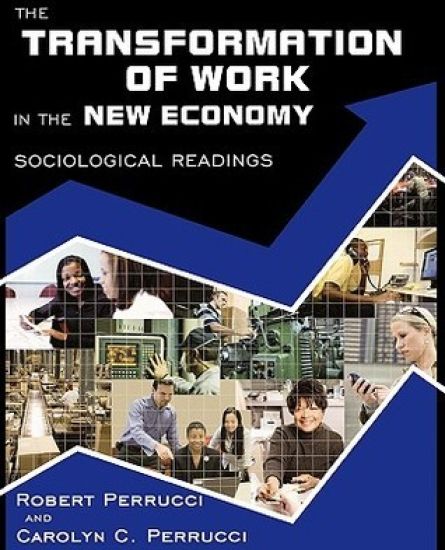
The Transformation of Work in the New Economy: Sociological Readings

The Transformation of Work in the New Economy: Sociological Readings

Robert Perrucci; Carolyn C. Perrucci

Oxford University Press
2006
nidottu
In The Transformation of the New Economy, editors Robert Perrucci and Carolyn C. Perrucci critically examine existing conditions in the workplace and discuss the political and economic forces that have shaped them. The book explores established practices governing how products are produced, how work is organized, and who comprises the labor force. Perrucci and Perrucci examine computerized production technology, global production chains, and the international division of labor as products of political struggles between corporations, workers, and the government. The outcomes of these struggles have produced our global economy, made jobs less secure, and kept wages of average Americans from growing the way they did post-World War II. These outcomes have also led to downsizing in the workplace, restructuring the social organization of work, and outsourcing jobs to other countries. This anthology illustrates how the new economy has affected: * Job opportunities and income for workers of different gender, race, and class.* Working conditions of professionals, factory workers, and workers in the service economy.* Family life of parents, children, and dual earners. The closing section of the book focuses on policy changes that could improve the conditions of workers in the new economy--with specific attention to raising wages, better access to health care, and company policies that empower workers.