Kirjojen hintavertailu. Mukana 12 390 323 kirjaa ja 12 kauppaa.

Kirjailija

Carolyn Roberts

Kirjat ja teokset yhdessä paikassa: 7 kirjaa, julkaisuja vuosilta 2014-2026, suosituimpien joukossa Tess's Red Dress. Vertaile teosten hintoja ja tarkista saatavuus suomalaisista kirjakaupoista.

7 kirjaa

Kirjojen julkaisuhaarukka 2014-2026.

Tess's Red Dress

Tess's Red Dress

Carolyn Roberts

Medicine Wheel
2026
sidottu
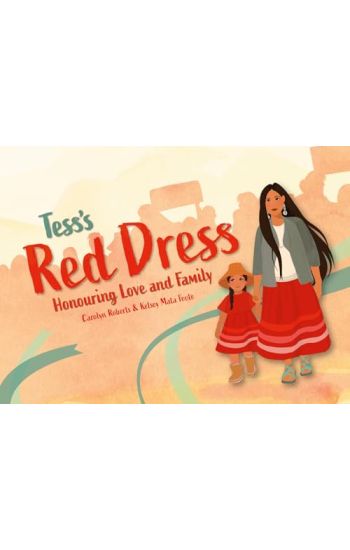
Using age-appropriate and empathetic language, Tess’s Red Dress introduces young children to Red Dress Day and the importance of remembering the Missing and Murdered Indigenous Women, Girls, and 2 Spirit People. Back matter pages include resources to support parents and educators through this important and difficult conversation with their children. Six year old Tess is excited to welcome her new baby sibling into the world! She asks her mom what it was like growing up with a sibling. Tess’s mom tells her stories about baking in the kitchen, singing loudly in the bathtub, sharing a bedroom, and braiding her sister’s hair. Despite their excitement over their growing family, they have experienced loss: her Auntie is one of the missing. The loss of any family member makes a drastic change for those left behind and the generations to come. As the family gets ready for the Red Dress Day march, Tess's mom and dad show her how to honour her Auntie by wearing her red dress and keeping the stories and memories of her family alive.
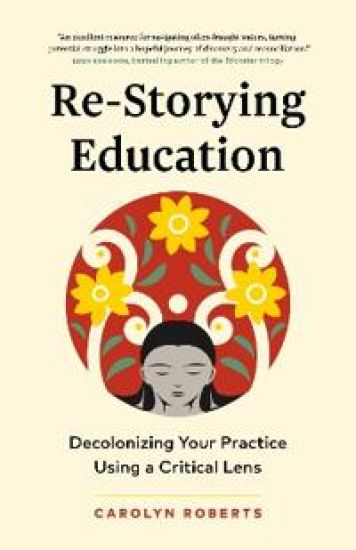
Re-Storying Education

Re-Storying Education

Carolyn Roberts

Page Two Books, Inc.
2024
nidottu
A local Indigenous education consultant named Carolyn Roberts is writing the book Re-Storying Education. She primarily works with teacher education programs in B.C. but her work has much broader applicability than that, and really the book reads as an incisive critique of the colonial education system we use in Western countries and especially Canada, with reflection and discussion questions for educators, and concrete tips on how to decolonise the classroom. It's a book that would be valuable for any educator, certainly in this country, at the elementary, secondary, and postsecondary levels. It's not a book on how to teach Indigenous content but rather how to decolonize the way you teach. It could include a chapter or two about decolonising the school structure too; e.g., not just classroom techniques but maybe also our sense of time in schools and so on. Ontario has just made Indigenous education mandatory for graduation, and 95% of the people teaching Indigenous content in Canadian schools are non-Indigenous, so she's going to add a chapter about how to do that effectively too.
Ethical Leadership for a Better Education System
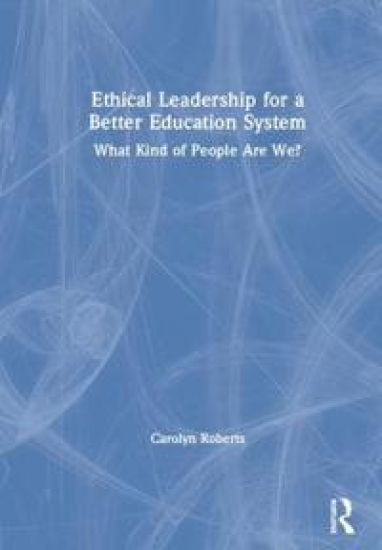
What kind of people run our schools? What makes them behave as they do? What kind of an example do they set? How can headteachers live up to expectations? What makes them fail? What keeps the profession in good standing in the taxpayer’s eye, and what undermines it? Ethical Leadership for a Better Education System: What Kind of People Are We? sets out a new vision for school leadership, moving beyond ‘leadership styles’ and ‘best practice’, to the motivations of school leaders. It proposes a way for the profession to embrace, develop and maintain ethical standards.Chapters: Explore the 2017–18 Ethical Leadership Commission, considering the core values and virtues, principles and behaviour we should expect from our school leaders Provide a clear, ethical code for thinking about reinforcing ethical standards among school leaders Look at the tensions between professionalism, accountability and in loco parentis Discuss structural change in the education system over 20 years Open discussion and reflections on the dilemmas facing ethical leaders and how to tackle them Demonstrate a way through the accountability pressures headteachers face, drawing on personal experience Place practical issues within the context of the whole systemConsidering the future vision of educational leadership, Ethical Leadership for a Better Education System will appeal to all levels of school leaders, existing and aspiring. It should help everyone who leads in school, and everyone who cares about the models we set before the nation’s young.
Ethical Leadership for a Better Education System
What kind of people run our schools? What makes them behave as they do? What kind of an example do they set? How can headteachers live up to expectations? What makes them fail? What keeps the profession in good standing in the taxpayer’s eye, and what undermines it? Ethical Leadership for a Better Education System: What Kind of People Are We? sets out a new vision for school leadership, moving beyond ‘leadership styles’ and ‘best practice’, to the motivations of school leaders. It proposes a way for the profession to embrace, develop and maintain ethical standards.Chapters: Explore the 2017–18 Ethical Leadership Commission, considering the core values and virtues, principles and behaviour we should expect from our school leaders Provide a clear, ethical code for thinking about reinforcing ethical standards among school leaders Look at the tensions between professionalism, accountability and in loco parentis Discuss structural change in the education system over 20 years Open discussion and reflections on the dilemmas facing ethical leaders and how to tackle them Demonstrate a way through the accountability pressures headteachers face, drawing on personal experience Place practical issues within the context of the whole systemConsidering the future vision of educational leadership, Ethical Leadership for a Better Education System will appeal to all levels of school leaders, existing and aspiring. It should help everyone who leads in school, and everyone who cares about the models we set before the nation’s young.
Knowledge and the Future School

Knowledge and the Future School

Michael Young; David Lambert; Carolyn Roberts; Martin Roberts

Bloomsbury Academic
2014
nidottu
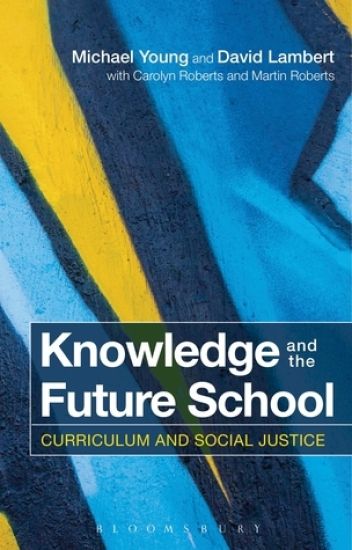
Written at a time of uncertainty about the implications of the English government’s curriculum policies, Knowledge and the Future School engages with the debate between the government and large sections of the educational community. It provides a forward-looking framework for head teachers, their staff and those involved in training teachers to use when developing the curriculum of individual schools in the context of a national curriculum. While explaining recent ideas in the sociology of educational knowledge, the authors draw on Michael Young’s earlier research with Johan Muller to distinguish three models of the curriculum in terms of their assumptions about knowledge, referred to in this book as Future 1, Future 2 and Future 3. They link Future 3 to the idea of 'powerful knowledge' for all pupils as a curriculum principle for any school, arguing that the question of knowledge is intimately linked to the issue of social justice and that access to 'powerful knowledge' is a necessary component of the education of all pupils. Knowledge and the Future School offers a new way of thinking about the problems that head teachers, their staff and curriculum designers face. In charting a course for schools that goes beyond current debates, it also provides a perspective that policy makers should not avoid.
Knowledge and the Future School

Knowledge and the Future School

Michael Young; David Lambert; Carolyn Roberts; Martin Roberts

Bloomsbury Academic
2014
sidottu
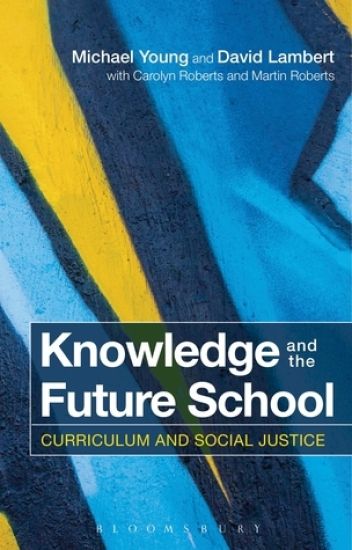
Written at a time of uncertainty about the implications of the English government’s curriculum policies, Knowledge and the Future School engages with the debate between the government and large sections of the educational community. It provides a forward-looking framework for head teachers, their staff and those involved in training teachers to use when developing the curriculum of individual schools in the context of a national curriculum. While explaining recent ideas in the sociology of educational knowledge, the authors draw on Michael Young’s earlier research with Johan Muller to distinguish three models of the curriculum in terms of their assumptions about knowledge, referred to in this book as Future 1, Future 2 and Future 3. They link Future 3 to the idea of 'powerful knowledge' for all pupils as a curriculum principle for any school, arguing that the question of knowledge is intimately linked to the issue of social justice and that access to 'powerful knowledge' is a necessary component of the education of all pupils. Knowledge and the Future School offers a new way of thinking about the problems that head teachers, their staff and curriculum designers face. In charting a course for schools that goes beyond current debates, it also provides a perspective that policy makers should not avoid.