

Kirjailija
Carrie Arnold
Kirjat ja teokset yhdessä paikassa: 4 kirjaa, julkaisuja vuosilta 2007-2017, suosituimpien joukossa Decoding Anorexia. Vertaile teosten hintoja ja tarkista saatavuus suomalaisista kirjakaupoista.
4 kirjaa
Kirjojen julkaisuhaarukka 2007-2017.
Decoding Anorexia is the first and only book to explain anorexia nervosa from a biological point of view. Its clear, user-friendly descriptions of the genetics and neuroscience behind the disorder is paired with first person descriptions and personal narratives of what biological differences mean to sufferers. Author Carrie Arnold, a trained scientist, science writer, and past sufferer of anorexia, speaks with clinicians, researchers, parents, other family members, and sufferers about the factors that make one vulnerable to anorexia, the neurochemistry behind the call of starvation, and why it’s so hard to leave anorexia behind. She also addresses:• How environment is still important and influences behaviors• The characteristics of people at high risk for developing anorexia nervosa• Why anorexics find starvation “rewarding”• Why denial is such a salient feature, and how sufferers can overcome itCarrie also includes interviews with key figures in the field who explain their work and how it contributes to our understanding of anorexia. Long thought to be a psychosocial disease of fickle teens, this book alters the way anorexia is understood and treated and gives patients, their doctors, and their family members hope.
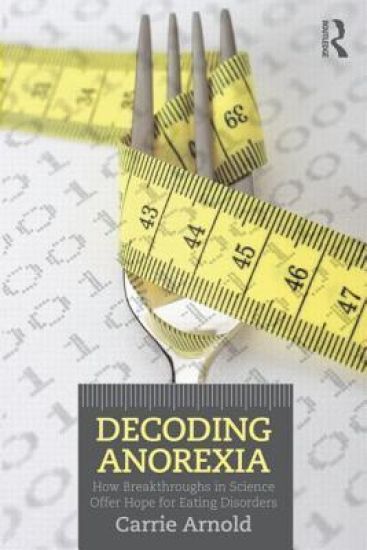
Decoding Anorexia is the first and only book to explain anorexia nervosa from a biological point of view. Its clear, user-friendly descriptions of the genetics and neuroscience behind the disorder is paired with first person descriptions and personal narratives of what biological differences mean to sufferers. Author Carrie Arnold, a trained scientist, science writer, and past sufferer of anorexia, speaks with clinicians, researchers, parents, other family members, and sufferers about the factors that make one vulnerable to anorexia, the neurochemistry behind the call of starvation, and why it’s so hard to leave anorexia behind. She also addresses:• How environment is still important and influences behaviors• The characteristics of people at high risk for developing anorexia nervosa• Why anorexics find starvation “rewarding”• Why denial is such a salient feature, and how sufferers can overcome itCarrie also includes interviews with key figures in the field who explain their work and how it contributes to our understanding of anorexia. Long thought to be a psychosocial disease of fickle teens, this book alters the way anorexia is understood and treated and gives patients, their doctors, and their family members hope.
More than simple cases of dieting gone awry, eating disorders such as anorexia and bulimia are among the most fatal of mental illnesses, responsible for more deaths each year than any other psychiatric disorder. These illnesses afflict millions of young people, especially women, all over the world. Carrie Arnold developed anorexia as an adolescent and nearly lost her life to the disease. In Next to Nothing, she tells the story of her descent into anorexia, how and why she fell victim to this mysterious illness, and how she was able to seek help and recover after years of therapy and hard work. Now an adult, Arnold uses her own experiences to offer practical advice and guidance to young adults who have recently been diagnosed with an eating disorder, or who are at risk for developing one. Drawing on the expertise of B. Timothy Walsh, M.D., one of America's leading authorities on eating disorders, she reveals in easy-to-understand terms what is known and not known medically about anorexia and bulimia. The book covers such difficult topics as how to make sense of a diagnosis, the various psychotherapies available to those struggling with an eating disorder, psychiatric hospitalization, and how to talk about these illnesses to family and friends. The result is both a compelling memoir and a practical guide that will help to ease the isolation that an eating disorder can impose, showing young people how to manage and maintain their recovery on a daily basis. Part of the Adolescent Mental Health Initiative series of books written specifically for teens and young adults, Next to Nothing will also be a valuable resource to the friends and family of those with eating disorders. It offers much-needed hope to young people, helping them to overcome these illnesses and lead productive and healthy lives.