

Kirjailija
Catherine Clement
Kirjat ja teokset yhdessä paikassa: 9 kirjaa, julkaisuja vuosilta 1994-2025, suosituimpien joukossa Theos Reise. Vertaile teosten hintoja ja tarkista saatavuus suomalaisista kirjakaupoista.
Mukana myös kirjoitusasut: Catherine Clément
9 kirjaa
Kirjojen julkaisuhaarukka 1994-2025.
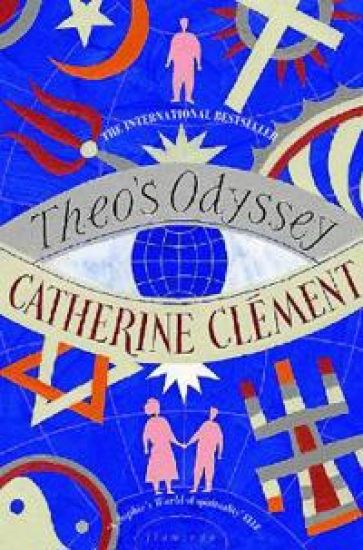
Does for spirituality what Sophieâ??s World did for philosophy.
The Weary Sons of Freud lambasts mainstream psychoanalysis for its failure to grapple with pressing political and social matters pertinent to its patients' condition. Gifted with insight and compelled by fury, Catherine Clément contrasts the original, inspirational psychoanalytical work of Freud and Lacan to the obsessive imitations of their uninspired followers-the weary sons of Freud.The analyst's once attentive ear has become deaf to the broader questions of therapeutic practice. Clement asks whether the perspective of socialism, brought to this study by a woman who is herself an analysand, can fill the gap. She reflects on her own history, as well as on that of psychoanalysis and the French left, to show what an activist and feminist restoration of the talking cure might look like.
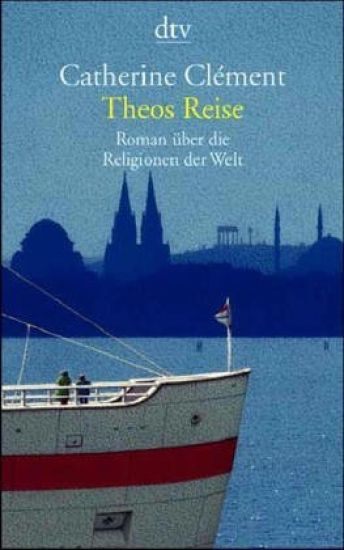
Er ist ein Morgenmuffel und liest bis spät in die Nacht Bücher über das alte Ägypten oder tibetanische Totenbücher. Theo ist 14 Jahre alt und lebt in Paris. Und wenn er nicht gerade seinen Kopf in Bücher steckt, sitzt er vor dem Computer und versucht das Rätsel des Tages zu lösen, das ihm seine rothaarige Computerfreundin Pythia stellt. In Theos Leben gibt es noch seine senegalesische Freundin Fatou, seine griechische Mutter Melina, seinen französischen Vater J?r?me und seine beiden Schwestern. Als sein morgendlicher Schwindel nicht nachläßt, erfährt Theo nach einem Arzttermin, dass er schwer krank ist. Eine mysteriöse Krankheit, die schlimmstenfalls mit dem Tod enden kann. Die Ärzte sind machtlos. Kurzerhand plant seine Tante Marthe eine ungewöhnliche Reise - eine Reise durch die Religionen der Welt. Theo sieht Jerusalem, Kairo, Rom, Benares, Jakarta, Tokio, Moskau, Istanbul, Dakar, Bahia, New York und Prag. Überall treffen er und Tante Marthe kundige Führer, die vom Judentum bis zum Schamanismus, von der Urkirche bis zum Mormonentum Glaubensrichtungen erklären und ihn sogar an den wichtigsten Festen und Riten teilnehmen lassen. Bei einem dieser Riten erfährt Theo, dass seine Zwillingsschwester kurz nach der Geburt gestorben ist. Ein Tod, über den seine Eltern nie sprechen wollten. Wider aller Hoffnung wird Theo am Ende geheilt, jedoch nicht von der klassischen Medizin, sondern von Medizinmännern.
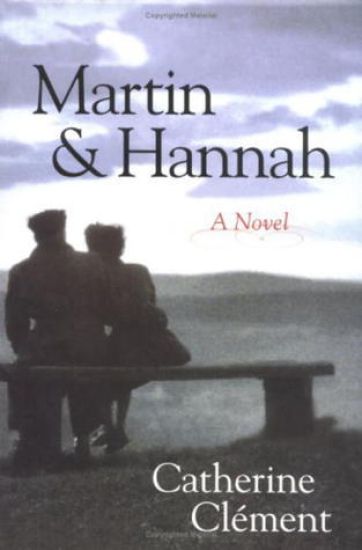
Germany, 1975. Two women near the end of their lives come together at the bedside of an old man, after having spent the last fifty years vying for first place in his heart. While one of the 20th century's greatest minds slumbers in the grip of nightmares, the two enemies sit in a nearby room and declare a truce. One is the man's wife, a woman who has always played her role as the devoted mother and the obedient, bourgeois Hausfrau to the Great Man and the tyrannical husband. The other is his former student and lover, nearly twenty years his junior. She is the Jewish intellectual consumed by her clear-sightedness.He is the brilliant and famous philosopher, now tormented by his Nazi past. In this wide-ranging score, each performer has an individual theme, yet each shares some of the notes of the others. But, above all, this fugue for three voices reveals the mark of the greatest tragedy of the century: for the characters are Martin Heidegger, his wife Elfriede, and Hannah Arendt. Catherine Clement skilfully paints a chiaroscuro portrait of forbidden love, recreating a famous love affair while turning the subtle intricacies of philosophy into memorable, enduring fiction.

?Das ist Literatur für all diejenigen, die ihre kindliche Neugier nicht verloren haben.? Der neue Tag Er ist ein Morgenmuffel und liest bis spät in die Nacht Bücher über das alte Ägypten oder tibetanische Totenbücher. Theo ist 14 Jahre alt und lebt in Paris. Und wenn er nicht gerade seinen Kopf in Bücher steckt, sitzt er vor dem Computer und versucht das Rätsel des Tages zu lösen, das ihm seine rothaarige Computerfreundin Pythia stellt. In Theos Leben gibt es noch seine senegalesische Freundin Fatou, seine griechische Mutter Melina, seinen französischen Vater J?r?me und seine beiden Schwestern. Als sein morgendlicher Schwindel nicht nachläßt, erfährt Theo nach einem Arzttermin, dass er schwer krank ist. Eine mysteriöse Krankheit, die schlimmstenfalls mit dem Tod enden kann. Die Ärzte sind machtlos. Kurzerhand plant seine Tante Marthe eine ungewöhnliche Reise - eine Reise durch die Religionen der Welt. Theo sieht Jerusalem, Kairo, Rom, Benares, Jakarta, Tokio, Moskau, Istanbul, Dakar, Bahia, New York und Prag. Überall treffen er und Tante Marthe kundige Führer, die vom Judentum bis zum Schamanismus, von der Urkirche bis zum Mormonentum Glaubensrichtungen erklären und ihn sogar an den wichtigsten Festen und Riten teilnehmen lassen. Bei einem dieser Riten erfährt Theo, dass seine Zwillingsschwester kurz nach der Geburt gestorben ist. Ein Tod, über den seine Eltern nie sprechen wollten. Wider aller Hoffnung wird Theo am Ende geheilt, jedoch nicht von der klassischen Medizin, sondern von Medizinmännern.

An incisive and impassioned examination of women’s treatment in opera.Catherine Clément analyzes the plots of over thirty prominent operas-Otello and Siegfried to Madame Butterfly and The Magic Flute-through the lenses of feminism and literary theory to unveil the negative messages about women in stories familiar to every opera listener.

This work seeks to uncover the veiled structures of language and society that have situated women in an "imaginary zone", a zone of exclusion. It is an exploration and a dialogue between its two authors, and an exposition of Cixous's influential strategy of "ecriture feminine". Through their readings of historical, literary, psychoanalytical texts, presenting the sorceress, the hysteric, the Tarantella, Penthesileia and Cleopatra among many others, Cixous and Clement explore what is hidden and repressed in culture.
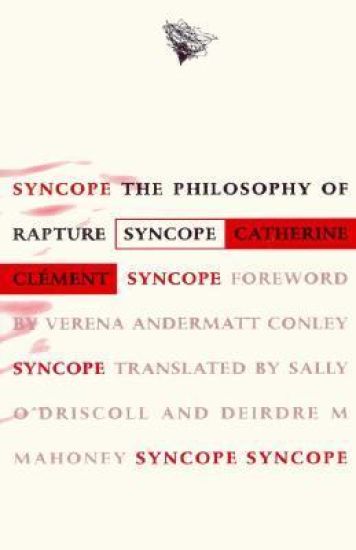
A comparison of Western and Indian philosophies using syncope, to describe the escape from self and the rapture of uncertainty in human endeavour.