Kirjojen hintavertailu. Mukana 12 595 353 kirjaa ja 12 kauppaa.

Kirjailija

Catherine Dee

Kirjat ja teokset yhdessä paikassa: 7 kirjaa, julkaisuja vuosilta 1999-2026, suosituimpien joukossa Sylvan City Design. Vertaile teosten hintoja ja tarkista saatavuus suomalaisista kirjakaupoista.

7 kirjaa

Kirjojen julkaisuhaarukka 1999-2026.

Sylvan City Design

Sylvan City Design

Catherine Dee

TAYLOR FRANCIS LTD
2026
sidottu
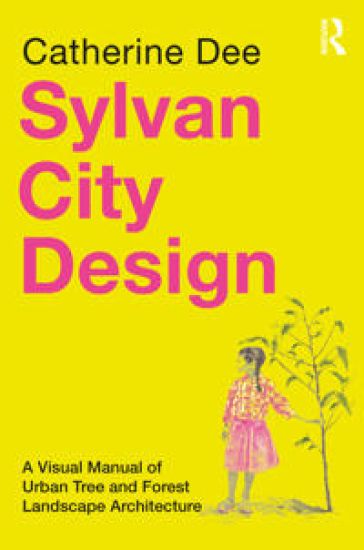
Richly illustrated with the author’s exquisite drawings, this visual manual provides a concise and practical introduction to contemporary urban landscape architecture with trees and forest: Sylvan City Design. Aimed at student and professional landscape architects and environmental designers, the manual will also appeal to other urban disciplines and to communities engaged with neighbourhood spaces in the context of the potential for trees to transform city living for climate resilience, green health, social equity, biodiversity and – at the same time – enriched urban culture. A sylvan city is foremost ‘made, shaped or formed of woods or trees’. Catherine Dee sets out to demonstrate how and why settlements may be better designed by considering trees as the indispensable ‘ground’ of a city, forming a life-giving, long-term dwelling matrix into which buildings and built infrastructure are fitted. The manual is organised in two parts. Part I: Principles, Strategies + Methods introduces the central aims of sylvan city design and establishes key design principles, strategies and ethos: 1 What is a Sylvan City? 2 What is Sylvan Design? 3 Sylvan Space, 4 Sylvan Time, 5 Sylvan Climate and 6 Sylvan Specificity, Diversity + Robustness. Part II: Forms, Functions + Habitats explores context-specific design, illustrating a wide range of urban situations, scales and types of tree environment from tiny street corners through to city-wide tracts using the patterns: Forest, Locale, Greenway, Grove, Glade, Parkland, Avenue, Hedgerow, Thicket, Garden, Farm, Woodland, and Wilderness. In each section, the design approach is to refresh and re-orient long-practised forms of tree cultivation and ecological management by matching them with urban social, cultural and biodiversity functions to create a contemporary environmental language adaptable to evolving sylvan cities in diverse global regions and changing climates. Communicated in vivid drawings inspiring new ways to dwell with trees, this is a DIY landscape architecture manual for all.
Sylvan City Design

Sylvan City Design

Catherine Dee

TAYLOR FRANCIS LTD
2026
nidottu
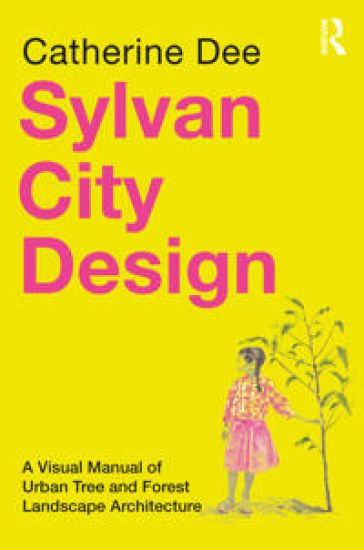
Richly illustrated with the author’s exquisite drawings, this visual manual provides a concise and practical introduction to contemporary urban landscape architecture with trees and forest: Sylvan City Design. Aimed at student and professional landscape architects and environmental designers, the manual will also appeal to other urban disciplines and to communities engaged with neighbourhood spaces in the context of the potential for trees to transform city living for climate resilience, green health, social equity, biodiversity and – at the same time – enriched urban culture. A sylvan city is foremost ‘made, shaped or formed of woods or trees’. Catherine Dee sets out to demonstrate how and why settlements may be better designed by considering trees as the indispensable ‘ground’ of a city, forming a life-giving, long-term dwelling matrix into which buildings and built infrastructure are fitted. The manual is organised in two parts. Part I: Principles, Strategies + Methods introduces the central aims of sylvan city design and establishes key design principles, strategies and ethos: 1 What is a Sylvan City? 2 What is Sylvan Design? 3 Sylvan Space, 4 Sylvan Time, 5 Sylvan Climate and 6 Sylvan Specificity, Diversity + Robustness. Part II: Forms, Functions + Habitats explores context-specific design, illustrating a wide range of urban situations, scales and types of tree environment from tiny street corners through to city-wide tracts using the patterns: Forest, Locale, Greenway, Grove, Glade, Parkland, Avenue, Hedgerow, Thicket, Garden, Farm, Woodland, and Wilderness. In each section, the design approach is to refresh and re-orient long-practised forms of tree cultivation and ecological management by matching them with urban social, cultural and biodiversity functions to create a contemporary environmental language adaptable to evolving sylvan cities in diverse global regions and changing climates. Communicated in vivid drawings inspiring new ways to dwell with trees, this is a DIY landscape architecture manual for all.
To Design Landscape

To Design Landscape

Catherine Dee

Routledge
2012
nidottu
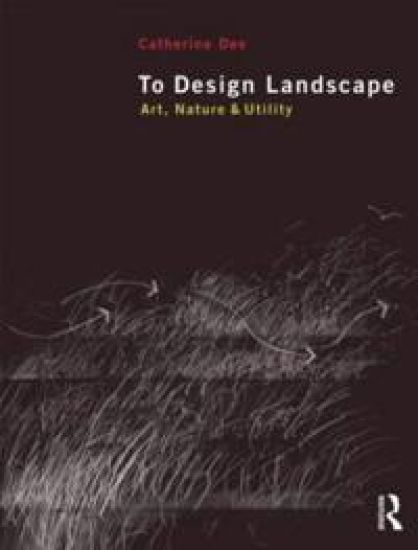
To Design Landscape sets out a distinctively practical philosophy of design, in accessible format. Based on the notion that landscape design is a form-based craft addressing environmental processes and utility, Dee establishes a framework for approaching such craft with modesty and ingenuity, using the concept of "aesthetics of thrift".Employing numerous case studies-as diverse as Hellerup Rose Garden in Denmark; Bloedel Reserve, Bainbridge Island, USA; Rousham Gardens, Oxfordshire, UK and Tofuku-ji, in Kyoto, Japan - to illustrate her ideas, the book is a beautiful portfolio of Dee's drawings, which are both evocative and to the point.The book begins with a 'Foundations' section, which sets out the basis of the approach. 'Principles' chapters then elaborate eleven significant considerations applicable to any design project, regardless of context and scale. Following on, 'Strategies' chapters reinforce the principles, and suggest further ways of designing, adaptable to different conditions. Dee ends with a focus on 'Elements', case studies and verb lists providing sources for the designer to consider how the components - vegetation, water, terrain, structures, soils, weather, and the sky - might be engaged, mediated and joined.Catherine Dee’s book is for all those who would craft landscape, from the gardener, to the professional landscape architect, to the student of design
To Design Landscape

To Design Landscape

Catherine Dee

Routledge
2012
sidottu
To Design Landscape sets out a distinctively practical philosophy of design, in accessible format. Based on the notion that landscape design is a form-based craft addressing environmental processes and utility, Dee establishes a framework for approaching such craft with modesty and ingenuity, using the concept of "aesthetics of thrift".Employing numerous case studies-as diverse as Hellerup Rose Garden in Denmark; Bloedel Reserve, Bainbridge Island, USA; Rousham Gardens, Oxfordshire, UK and Tofuku-ji, in Kyoto, Japan - to illustrate her ideas, the book is a beautiful portfolio of Dee's drawings, which are both evocative and to the point.The book begins with a 'Foundations' section, which sets out the basis of the approach. 'Principles' chapters then elaborate eleven significant considerations applicable to any design project, regardless of context and scale. Following on, 'Strategies' chapters reinforce the principles, and suggest further ways of designing, adaptable to different conditions. Dee ends with a focus on 'Elements', case studies and verb lists providing sources for the designer to consider how the components - vegetation, water, terrain, structures, soils, weather, and the sky - might be engaged, mediated and joined.Catherine Dee’s book is for all those who would craft landscape, from the gardener, to the professional landscape architect, to the student of design
Form and Fabric in Landscape Architecture

Form and Fabric in Landscape Architecture

Catherine Dee

Taylor Francis Ltd
2001
nidottu
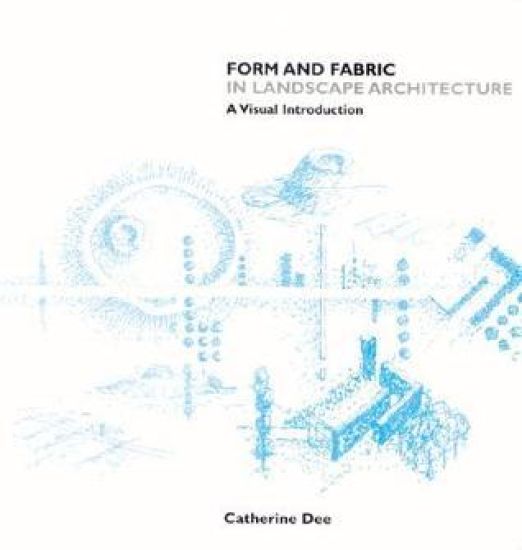
Form and Fabric in Landscape Architecture provides an original, visual approach to the study of landscape architecture by creating a spatial morphology based on use and experience of landscapes. It explores aesthetic, spatial and experiential concepts by providing a structure through which landscapes can be understood and conceived in design. 'Fabric' is the integrated structure of whole landscapes, while 'form' refers to the components that make up this fabric. Together form and fabric create a morphology of landscape useful for the development of visual-spatial design thinking and awareness. This book is intended as both an introduction to the discipline for students of landscape architecture, architecture and planning, and a source of continuing interest for more experienced environmental designers.
Form and Fabric in Landscape Architecture

Form and Fabric in Landscape Architecture

Catherine Dee

Taylor Francis Ltd
2001
sidottu
Form and Fabric in Landscape Architecture provides an original, visual approach to the study of landscape architecture by creating a spatial morphology based on use and experience of landscapes. It explores aesthetic, spatial and experiential concepts by providing a structure through which landscapes can be understood and conceived in design. 'Fabric' is the integrated structure of whole landscapes, while 'form' refers to the components that make up this fabric. Together form and fabric create a morphology of landscape useful for the development of visual-spatial design thinking and awareness. This book is intended as both an introduction to the discipline for students of landscape architecture, architecture and planning, and a source of continuing interest for more experienced environmental designers.
The Girls' Book of Wisdom

The Girls' Book of Wisdom

Catherine Dee; Lou M Pollack

Little, Brown Company
1999
pokkari
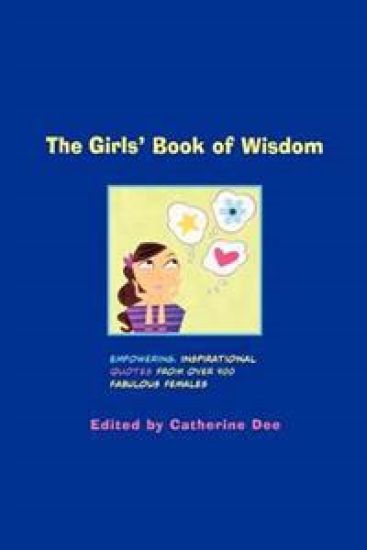
Drawing from the wisdom of 500 women, including such historical personages as Eleanor Roosevelt and Frida Kahlo and popular celebrities like Rosie O'Donnell and Ani DiFranco, an illustrated collection of quotations will inspire and empower young girls. Original.