Kirjojen hintavertailu. Mukana 12 152 606 kirjaa ja 12 kauppaa.

Kirjailija

Catherine O'Rawe

Kirjat ja teokset yhdessä paikassa: 8 kirjaa, julkaisuja vuosilta 2003-2026, suosituimpien joukossa Film Studios in Britain, France, Germany and Italy. Vertaile teosten hintoja ja tarkista saatavuus suomalaisista kirjakaupoista.

8 kirjaa

Kirjojen julkaisuhaarukka 2003-2026.

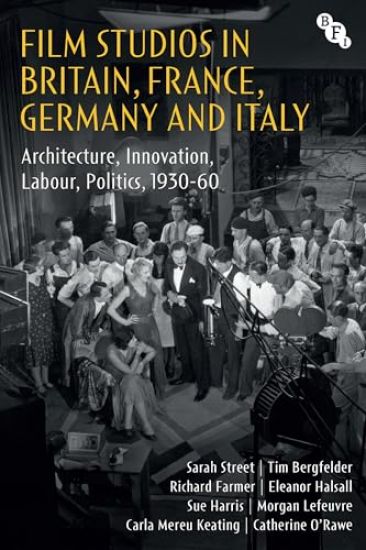
Film Studios in Britain, France, Germany and Italy

Film Studios in Britain, France, Germany and Italy

Sarah Street; Tim Bergfelder; Richard Farmer; Eleanor Halsall; Sue Harris; Morgan Lefeuvre; Carla Mereu Keating; Catherine O'Rawe

BLOOMSBURY PUBLISHING PLC
2026
sidottu
This open access book investigates film studios in Britain, France, Germany and Italy between the 1930s and 1960s. During this time, studios faces unprecedented challenges including wartime disruptions, post-war fragmentation, movement of labour and the introduction of new technologies. While the study of film studios has been dominated by the centralized Hollywood ‘studio system’, the authors present new research about the often very different histories of Europe’s film studios, comparing their geographic locations, architectures and infrastructural development. They explore a number of well-known studios including Pinewood, Joinville, Babelsberg and Cinecittà, as well as lesser-known production sites such as Manchester, Victorine, post-war West German studios and Tirrenia as diverse creative and economic infrastructures. Drawing on a wealth of archival sources, photographs, films, aerial maps and visualizations, the book charts how artistic practices responded to transnational flows in film studio expertise, as studios constituted formative, materially based ‘spaces of the imagination’ that produced some of cinema’s most influential films. How studios worked in the past as dynamic, creative working environments that were profoundly influenced by their locations, architectures and personnel, is foregrounded as the authors produce new understandings of how the collaborative and material environments of studio spaces and technologies shaped film production and cultures. The open access edition of this book is available under a CC BY-NC-ND 4.0 licence on www.bloomsburycollections.com. Open access was funded by the European Research Council.
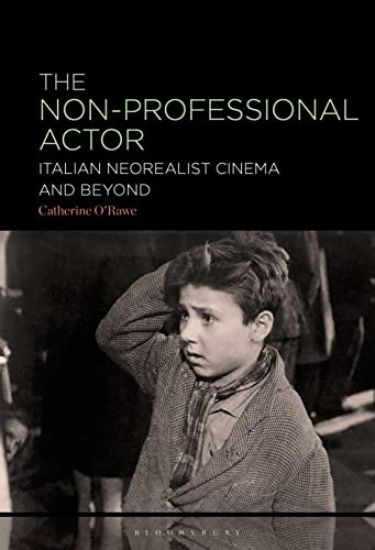
The Non-Professional Actor

The Non-Professional Actor

Catherine O'Rawe

BLOOMSBURY PUBLISHING PLC
2025
nidottu
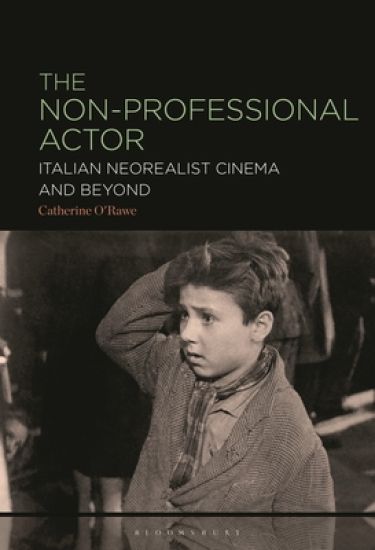
Provides the first critical overview of acting, stardom, and performance in post-war Italian film (1945-54), with special attention to the figure of the non-professional actor, who looms large in neorealist filmmaking. Italian post-war cinema has been widely celebrated by critics and scholars: films such as Bicycle Thieves (De Sica, 1948) and Paisan (Rossellini, 1946) remain globally influential, particularly for their use of non-professional actors. This period of regeneration of Italian cinema initiated the boom in cinemagoing that made cinema an important vector of national and gender identity for audiences.The book addresses the casting, performance, and labour of non-professional actors, particularly children, their cultural and economic value to cinema, and how their use brought ideas of the ordinary into the discourse of stars as extraordinary. Relatedly, O'Rawe discusses critical and press discourses around acting, performance, and stardom, often focused on the ‘crisis’ of acting connected to the rise of non-professionals and the girls (like Sophia Loren) who found sudden cinematic fame via beauty contests.
The Non-Professional Actor

The Non-Professional Actor

Catherine O'Rawe

BLOOMSBURY PUBLISHING PLC
2023
sidottu
Provides the first critical overview of acting, stardom, and performance in post-war Italian film (1945-54), with special attention to the figure of the non-professional actor, who looms large in neorealist filmmaking. Italian post-war cinema has been widely celebrated by critics and scholars: films such as Bicycle Thieves (De Sica, 1948) and Paisan (Rossellini, 1946) remain globally influential, particularly for their use of non-professional actors. This period of regeneration of Italian cinema initiated the boom in cinemagoing that made cinema an important vector of national and gender identity for audiences.The book addresses the casting, performance, and labour of non-professional actors, particularly children, their cultural and economic value to cinema, and how their use brought ideas of the ordinary into the discourse of stars as extraordinary. Relatedly, O'Rawe discusses critical and press discourses around acting, performance, and stardom, often focused on the ‘crisis’ of acting connected to the rise of non-professionals and the girls (like Sophia Loren) who found sudden cinematic fame via beauty contests.
Italian Cinema Audiences

Italian Cinema Audiences

Daniela Treveri Gennari; Catherine O'Rawe; Danielle Hipkins; Silvia Dibeltulo; Sarah Culhane

BLOOMSBURY PUBLISHING PLC
2022
nidottu
We know a lot about the directors and stars of Italian cinema’s heyday, from Roberto Rossellini to Sophia Loren. But what do we know about the Italian audiences that went to see their films? Based on the AHRC-funded project ‘Italian Cinema Audiences 1945-60’, Italian Cinema Audiences: Histories and Memories of Cinema-going in Post-war Italy draws upon the rich data collected by the project team (160 video interviews and 1000+ written questionnaires gathered from Italians aged 65 and over; archival material related to cinema distribution, exhibition and programming, box-office figures, and critical discussions of cinema from film journals and popular magazines of the period). For the first time, cinema’s role in everyday Italian life, and its affective meaning when remembered by older people, are enriched with industrial analyses of the booming Italian film sector of the period, as well as contextual data from popular and specialized magazines.
Italian Cinema Audiences

Italian Cinema Audiences

Daniela Treveri Gennari; Catherine O'Rawe; Danielle Hipkins; Silvia Dibeltulo; Sarah Culhane

Bloomsbury Academic USA
2020
sidottu
We know a lot about the directors and stars of Italian cinema’s heyday, from Roberto Rossellini to Sophia Loren. But what do we know about the Italian audiences that went to see their films? Based on the AHRC-funded project ‘Italian Cinema Audiences 1945-60’, Italian Cinema Audiences: Histories and Memories of Cinema-going in Post-war Italy draws upon the rich data collected by the project team (160 video interviews and 1000+ written questionnaires gathered from Italians aged 65 and over; archival material related to cinema distribution, exhibition and programming, box-office figures, and critical discussions of cinema from film journals and popular magazines of the period). For the first time, cinema’s role in everyday Italian life, and its affective meaning when remembered by older people, are enriched with industrial analyses of the booming Italian film sector of the period, as well as contextual data from popular and specialized magazines.
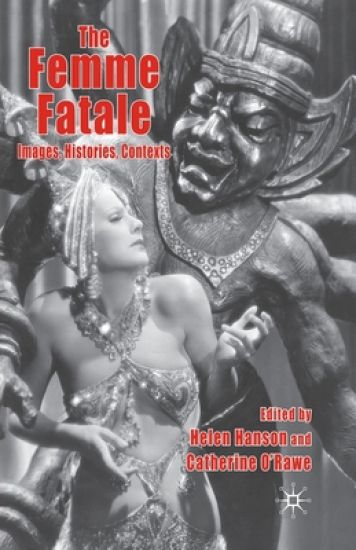
The Femme Fatale: Images, Histories, Contexts

The Femme Fatale: Images, Histories, Contexts

Helen Hanson; Catherine O'Rawe

Palgrave Macmillan
2010
sidottu
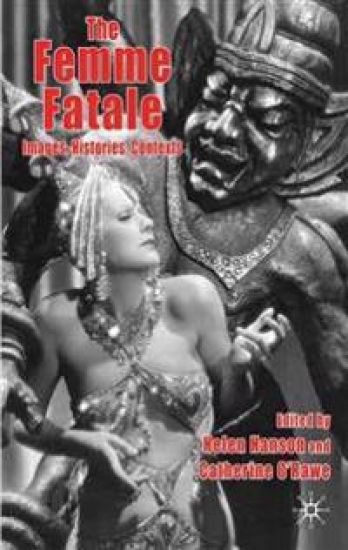
These essays trace the femme fatale across literature, visual culture and cinema, exploring the ways in which fatal femininity has been imagined in different cultural contexts and historical epochs, and moving from mythical women such as Eve, Medusa and the Sirens via historical figures such as Mata Hari to fatal women in contemporary cinema.
The Femme Fatale: Images, Histories, Contexts

The Femme Fatale: Images, Histories, Contexts

Helen Hanson; Catherine O'Rawe

Palgrave Macmillan
2010
nidottu
These essays trace the femme fatale across literature, visual culture and cinema, exploring the ways in which fatal femininity has been imagined in different cultural contexts and historical epochs, and moving from mythical women such as Eve, Medusa and the Sirens via historical figures such as Mata Hari to fatal women in contemporary cinema.
Authorial Echoes

Authorial Echoes

Catherine O'Rawe

Legenda
2003
nidottu
Luigi Pirandello is best known for his experimental plays, but his narrative production has not enjoyed the same degree of critical attention. O'Rawe's study represents the first major reassessment of this output, including the 'realist' novels, the historical novel I vecchi e i giovani (1909) and the autobiographical Suo marito (1911). The book identifies in Pirandello a practice of 'self-plagiarism' - constant rewriting and revision and obsessive re-use of material - and explores the relation of these overlooked modes of composition to the author's own theories of authorship and textuality. Drawing on a wide range of critical theory, O'Rawe repositions Pirandello as a major figure in the development of European narrative modernism.