Kirjojen hintavertailu. Mukana 12 292 791 kirjaa ja 12 kauppaa.
Kirjailija
Celeste Day Moore
Kirjat ja teokset yhdessä paikassa: 3 kirjaa, julkaisuja vuosilta 2021-2024, suosituimpien joukossa Sonia Delaunay. Vertaile teosten hintoja ja tarkista saatavuus suomalaisista kirjakaupoista.
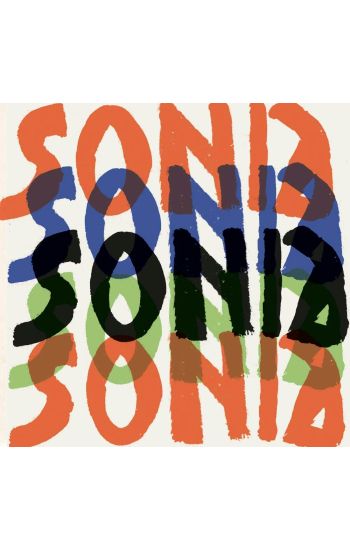
A richly crafted tribute to the avant-garde artist and designer Sonia Delaunay, whose boundary-breaking approach is echoed in the volume’s interdisciplinarity and its inspired design Described as “the most significant contribution to Sonia Delaunay studies in a decade,” this catalogue sets a new standard for the study of this pioneering avant-garde artist, designer, and entrepreneur (1885–1979). Eschewing traditional chronological structures to better showcase groundbreaking research unifying the artist’s timeless oeuvre across mediums, this publication demonstrates Delaunay’s innate versatility and willingness to create without material limitation using her unique language of light and color. Textiles, fashion, interiors, book art, and more are highlighted across 26 chapters by leading international scholars to give new insight into Delaunay’s strategies of self-promotion, entrepreneurial endeavors, legacy-building efforts, and vast network of collaborators. These in-depth analyses, including previously underinvestigated material such as film, mosaics, tapestries, and interior design, offer a comprehensive perspective on Delaunay’s lifelong effort to unite art with life by harnessing the energy of technological advancement and the beauty of artisanal craftsmanship. Finally, an appendix provides a unique personal note—an epilogue by Patrick Raynaud, the last living member of Delaunay’s atelier—is a touching firsthand account of the artist’s working practices toward the end of her life. The design, by award-winning book creator Irma Boom, embraces Sonia Delaunay’s own approach to layout and typography, rendering a book that unites past and present to become a work of art in its own right. Distributed for the Bard Graduate Center Exhibition Schedule: Bard Graduate Center, New York (February 23–July 7, 2024)

In Soundscapes of Liberation, Celeste Day Moore traces the popularization of African American music in postwar France, where it signaled new forms of power and protest. Moore surveys a wide range of musical genres, soundscapes, and media: the US military's wartime records and radio programs; the French record industry's catalogs of blues, jazz, and R&B recordings; the translations of jazz memoirs; a provincial choir specializing in spirituals; and US State Department-produced radio programs that broadcast jazz and gospel across the French empire. In each of these contexts, individual intermediaries such as educators, producers, writers, and radio deejays imbued African American music with new meaning, value, and political power. Their work resonated among diverse Francophone audiences and transformed the lives and labor of many African American musicians, who found financial and personal success as well as discrimination in France. By showing how the popularity of African American music was intertwined with contemporary structures of racism and imperialism, Moore demonstrates this music's centrality to postwar France and the convergence of decolonization, the expanding globalized economy, the Cold War, and worldwide liberation movements.