Kirjojen hintavertailu. Mukana 12 595 353 kirjaa ja 12 kauppaa.
Kirjailija
Celeste-Marie Bernier
Kirjat ja teokset yhdessä paikassa: 13 kirjaa, julkaisuja vuosilta 2008-2026, suosituimpien joukossa Inside the invisible. Vertaile teosten hintoja ja tarkista saatavuus suomalaisista kirjakaupoista.
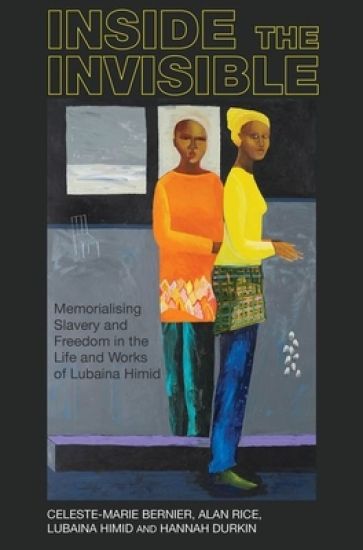
Inside the Invisible provides the first examination of the work of Turner Prize-winning Black British artist and curator Professor Lubaina Himid CBE. This comprehensive volume breaks new ground by theorizing her development of an alternative visual and textual language within which to do justice to the hidden histories and untold stories of Black women, children, and men bought and sold into transatlantic slavery. For Himid, the act of forgetting within official sites of memory is indivisible from the art of remembering within an African diasporic art historical tradition. She interrogates the widespread distortion and even wholesale erasure of Black bodies and souls subjected to dehumanizing stereotypes and grotesque caricatures within western imaginaries and dominant iconographic traditions over the centuries. Creating bodies of work in which she comes to grips with the physical and psychological realities of iconic and anonymous African diasporic individuals as living breathing human beings rather than as objectified types, she bears witness not only to tragedy but to triumph. A self-appointed researcher, historian, and storyteller as well as an artist, she succeeds in seeing “inside the invisible” regarding untold narratives of Black agency and artistry by mining national archives, listening to oral stories, acknowledging art-making traditions, and revisiting autobiographical testimonies.

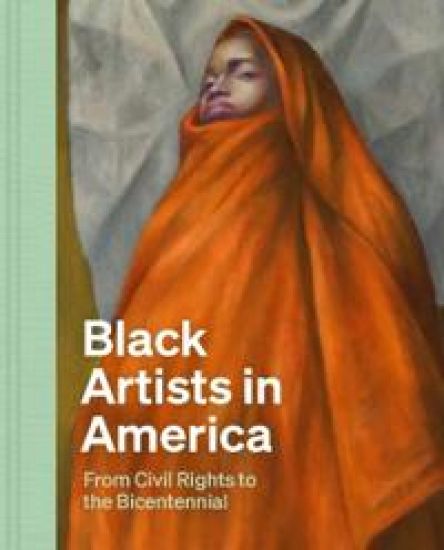
The second book in a three-volume series on Black American artists, featuring work from the 1950s to the 1970s that responded to the cultural, political, and social concerns of the era During the turbulent 1950s to 1970s, Black American artists, responding to increasing civil rights activism, challenged inequities in the art world. Artists created works that celebrated their racial identity, connected with Black audiences, and participated in the struggle for political, economic, and social equality. The establishment of artist collectives, such as Spiral, and museums devoted to Black art, including the Studio Museum in Harlem, alongside the emergence of art historians and critics such as David Driskell and Linda Goode Bryant, marked early steps to bring Black art into broader artistic discourse. The book features 140 color illustrations of paintings, sculptures, and works on paper by such celebrated artists as Romare Bearden, Sam Gilliam, Jacob Lawrence, Norman Lewis, Howardena Pindell, and Alma Thomas, as well as by under-recognized artists. Essays provide an overview of the period and in-depth examinations of James A. Porter, an artist and art historian credited with establishing the field of African American art history, and Merton D. Simpson, an abstract painter, member of the Spiral group, and one of the most important dealers of African art in the United States. Published in association with the Dixon Gallery and GardensExhibition Schedule:Dixon Gallery and Gardens, Memphis (October 22, 2023–January 14, 2024) Crocker Art Museum, Sacramento (February 4–May 19, 2024)
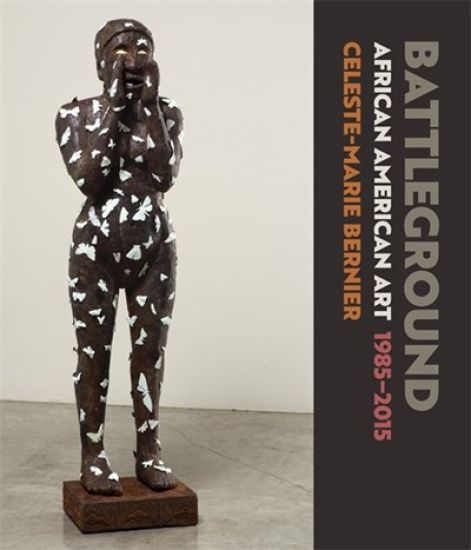
Battleground is the first illustrated history of contemporary African American art. The volume offers an in-depth examination of twenty-five Black artists, discussing their artworks, practices, and philosophies, as expressed in their own words. Celeste-Marie Bernier has done extensive archival work in sources that have not been studied before, and her research provides a foundation for an intellectual and cultural history of contemporary African American artists and art movements from 1990 to the present. The wealth of quoted material—published interviews, artist statements, and autobiographical essays—should inform and inspire additional research in the years to come.Battleground examines the paintings, drawings, sculptures, and installation, digital, and performance art produced by twenty-five Black artists living and working in the United States over the last three decades. The artists studied in this book include Emma Amos, Radcliffe Bailey, Mary Lee Bendolph, Chakaia Booker, Beverly Buchanan, Willie Cole, Leonardo Drew, Meta Vaux Warrick Fuller, Myra Greene, Lyle Ashton Harris, Ronald Lockett, Whitfield Lovell, Kerry James Marshall, Lorraine O’Grady, Jefferson Pinder, Debra Priestly, Winfred Rembert, Nellie Mae Rowe, Alison Saar, Dread Scott, Clarissa T. Sligh, LaShawnda Crowe Storm, Mickalene Thomas, Nari Ward, and Pat Ward Williams.
Inside the Invisible provides the first examination of the work of Turner Prize-winning Black British artist and curator Professor Lubaina Himid CBE. This comprehensive volume breaks new ground by theorizing her development of an alternative visual and textual language within which to do justice to the hidden histories and untold stories of Black women, children, and men bought and sold into transatlantic slavery. For Himid, the act of forgetting within official sites of memory is indivisible from the art of remembering within an African diasporic art historical tradition. She interrogates the widespread distortion and even wholesale erasure of Black bodies and souls subjected to dehumanizing stereotypes and grotesque caricatures within western imaginaries and dominant iconographic traditions over the centuries. Creating bodies of work in which she comes to grips with the physical and psychological realities of iconic and anonymous African diasporic individuals as living breathing human beings rather than as objectified types, she bears witness not only to tragedy but to triumph. A self-appointed researcher, historian, and storyteller as well as an artist, she succeeds in seeing “inside the invisible” regarding untold narratives of Black agency and artistry by mining national archives, listening to oral stories, acknowledging art-making traditions, and revisiting autobiographical testimonies.
The first comparative history of African American and Black British artists, artworks, and art movements, Stick to the Skin traces the lives and works of over fifty painters, photographers, sculptors, and mixed-media, assemblage, installation, video, and performance artists working in the United States and Britain from 1965 to 2015. The artists featured in this book cut to the heart of hidden histories, untold narratives, and missing memories to tell stories that "stick to the skin" and arrive at a new "Black lexicon of liberation." Informed by extensive research and invaluable oral testimonies, Celeste-Marie Bernier’s remarkable text forcibly asserts the originality and importance of Black artists’ work and emphasizes the need to understand Black art as a distinctive category of cultural production. She launches an important intervention into European histories of modern and contemporary art and visual culture as well as into debates within African American studies, African diasporic studies, and Black British studies.Artists featured: Larry Achiampong Hurvin Anderson Benny Andrews Rasheed Araeen Jean-Michel Basquiat Zarina Bhimji Sutapa Biswas Frank Bowling Sonia Boyce Vanley Burke Chila Kumari Burman Eddie Chambers Thornton Dial Godfried Donkor Kimathi Donkor Sokari Douglas Camp Melvin Edwards Mary Evans Nicola Frimpong Joy Gregory Bessiey Harvey Mona Hatoum Lubaina Himid Lonnie Holley Gavin Jantjes Claudette Johnson Tam Joseph Roshini Kempadoo Juginder Lamba Hew Locke Steve McQueen Chris Ofili Keith Piper Ingrid Pollard Thomas J. Price Noah Purifoy Faith Ringgold Donald Rodney Betye Saar Joyce J. Scott Yinka Shonibare Gurminder Sikand Marlene Smith Maud Sulter Barbara Walker Kara Walker Carrie Mae Weems Deborah Willis Hank Willis Thomas Lynette Yiadom-Boakye
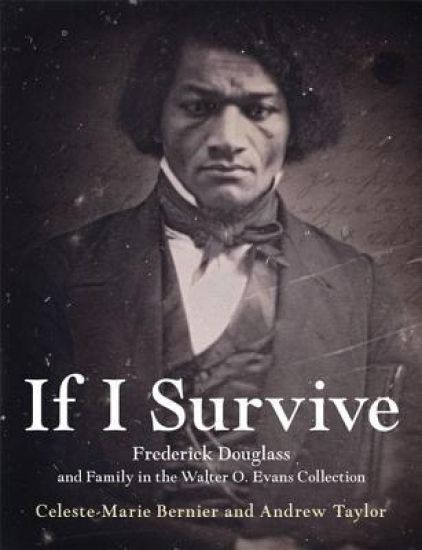
Previously unseen speeches, letters, autobiographies, and photographs of Frederick Douglass and his sons, Lewis Henry, Frederick Jr. and Charles Remond Douglass, from the Walter O. Evans collectionWhile the many public lives of Frederick Douglass as the representative 'fugitive slave', autobiographer, orator, abolitionist, reformer, philosopher and statesman are lionised worldwide, If I Survive sheds light on the private life of Douglass the family man. For the first time, this book provides readers with a collective biography mapping the activism, authorship and artistry of Douglass and his sons, Lewis Henry, Frederick Jr. and Charles Remond Douglass. In one volume, the history of the Douglass family appears alongside full colour facsimile reproductions of their over 80 previously unpublished speeches, letters, autobiographies and photographs held in the Walter O. Evans Collection. All of life can be found within these pages: romance, hope, despair, love, life, death, war, protest, politics, art, and friendship. Working together and against a changing backdrop of US slavery, Civil War and Reconstruction, the Douglass family fought for a new 'dawn of freedom'. Marking the 200th anniversary of Frederick Douglass' birth, this first collective history and comprehensive collection of the Douglass family writings and portraits sheds new light not only on Douglass as a freedom-fighter and family man but on the lives and works of Lewis Henry, Frederick Jr., and Charles Remond. As civil rights protesters, essayists, autobiographers, and orators in their own right, they each played a vital role in the 'struggles for the cause of liberty' of their father. As published here, each of their original writings and portraits is accompanied by an explanatory essay and in-depth scholarly annotatations as well as a detailed bibliography. Recognising that the Frederick Douglass that is needed in a twenty-first century Black Lives Matter era is no infallible icon but a mortal individual, If I Survive situates the lives and works of Douglass and his family within the social, political, historical and cultural contexts in which they lived and worked. Each unafraid to die for the cause, they dedicated their lives to the "emancipation of the slave" and to social justice by every means necessary. The Foreword is written by Robert S. Levine and the Afterword is authored by Kim F. Hall.
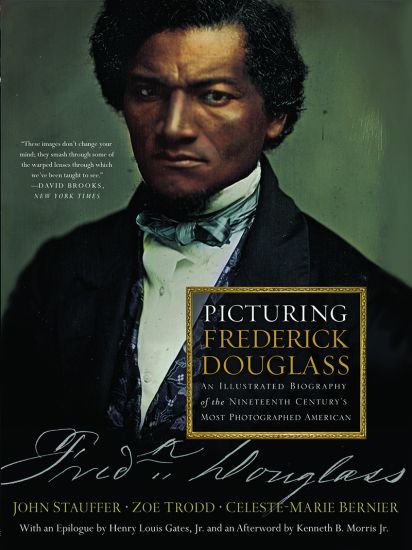
Commemorating the bicentennial of Frederick Douglass’s birthday and featuring images discovered since its original publication in 2015, this “tour de force” (Library Journal, starred review) reintroduced Frederick Douglass to a twenty-first-century audience. From these pages—which include over 160 photographs of Douglass, as well as his previously unpublished writings and speeches on visual aesthetics—we learn that neither Custer nor Twain, nor even Abraham Lincoln, was the most photographed American of the nineteenth century. Indeed, it was Frederick Douglass, the ex-slave-turned-abolitionist, eloquent orator, and seminal writer, who is canonized here as a leading pioneer in photography and a prescient theorist who believed in the explosive social power of what was then just an emerging art form. Featuring: Contributions from Henry Louis Gates, Jr., and Kenneth B. Morris, Jr. (a direct Douglass descendent)160 separate photographs of Douglass—many of which have never been publicly seen and were long lost to historyA collection of contemporaneous artwork that shows how powerful Douglass’s photographic legacy remains today, over a century after his deathAll Douglass’s previously unpublished writings and speeches on visual aesthetics
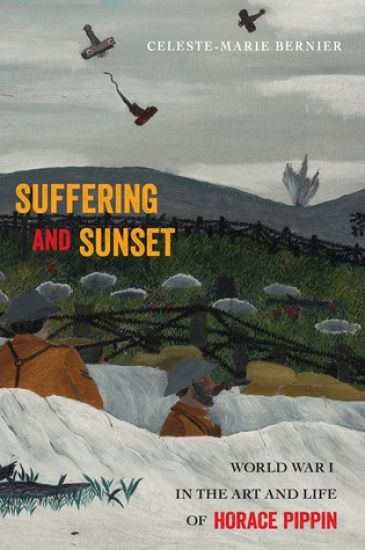
For self-made artist and soldier Horace Pippin-who served in the 369th all-black infantry in World War I until he was wounded-war provided a formative experience that defined much of his life and work. His ability to transform combat service into canvases of emotive power, psychological depth, and realism showed not only how he viewed the world but also his mastery as a painter. In Suffering and Sunset, Celeste-Marie Bernier painstakingly traces Pippin’s life story of art as a life story of war. Illustrated with more than sixty photographs, including works in various mediums-many in full color-this is the first intellectual history and cultural biography of Pippin. Working from newly discovered archives and unpublished materials, Bernier provides an in-depth investigation into the artist’s development of an alternative visual and textual lexicon and sheds light on his work in its aesthetic, social, and political contexts.Suffering and Sunset illustrates Pippin’s status as a groundbreaking artist as it shows how this African American painter suffered from but also staged many artful resistances to racism in a white-dominated art world.
Frederick Douglass’s fiery speeches made him one of the most renowned and popular agitators of his age. Now, as a result of ground-breaking research, we can reclaim the ex-slave and abolitionist as a pioneer in photography, both as a subject and as a theorist. Included here are 160 photographs of Douglass—many which have never been publicly seen—combined with previously unpublished writings and speeches on visual aesthetics. The result transforms our understanding of photography and its place in the life and legacy of Douglass.
For self-made artist and soldier Horace Pippin-who served in the 369th all-black infantry in World War I until he was wounded-war provided a formative experience that defined much of his life and work. His ability to transform combat service into canvases of emotive power, psychological depth, and realism showed not only how he viewed the world but also his mastery as a painter. In Suffering and Sunset, Celeste-Marie Bernier painstakingly traces Pippin’s life story of art as a life story of war. Illustrated with more than sixty photographs, including works in various mediums-many in full color-this is the first intellectual history and cultural biography of Pippin. Working from newly discovered archives and unpublished materials, Bernier provides an in-depth investigation into the artist’s development of an alternative visual and textual lexicon and sheds light on his work in its aesthetic, social, and political contexts.Suffering and Sunset illustrates Pippin’s status as a groundbreaking artist as it shows how this African American painter suffered from but also staged many artful resistances to racism in a white-dominated art world.
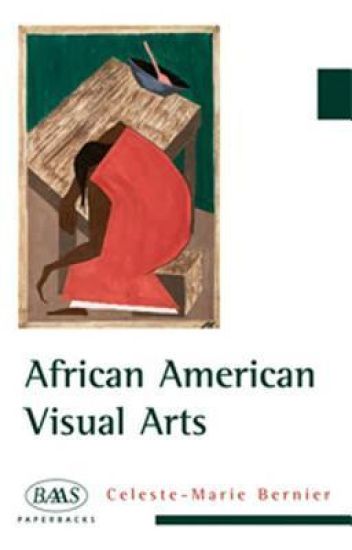
This book examines the quilts, ceramics, paintings, sculpture, installations, assemblages, daguerreotypes, photography and performance art produced by African American artists over a two hundred year period. The author draws on archaeological discoveries and unpublished archival materials to recover the lost legacies of artists living and working in the United States. As the first critical study to provide in-depth case studies of twenty artists, this book introduces readers to works created in response to the Middle Passage, Atlantic slavery, lynching, racism, segregation, and the fight for civil rights. Bernier examines little-discussed panoramas, murals, portraits, textile designs, collages and mixed-media installations to get to grips with key motifs and formal issues within African American art history. Working within this tradition, artists experiment with cutting edge techniques and alternative subject-matter to undermine racist iconography and endorse a new visual language. They push thematic and formal boundaries to create powerful narratives and epic histories of creativity, labour, discrimination, suffering and resistance. By providing close readings of works by artists such as Elizabeth Catlett, Jacob Lawrence, William Edmondson, Howardena Pindell, Charles Alston, Romare Bearden, Norman Lewis, Betye Saar, Horace Pippin and Kara Walker, this book sheds new light on the thematic and formal complexities of an African American art tradition which still remains largely shrouded in mystery. Includes 16 colour photographs.