Kirjojen hintavertailu. Mukana 12 595 353 kirjaa ja 12 kauppaa.

Kirjailija

Celia de Fréine

Kirjat ja teokset yhdessä paikassa: 11 kirjaa, julkaisuja vuosilta 2009-2024, suosituimpien joukossa Tearing Stripes off Zebras. Vertaile teosten hintoja ja tarkista saatavuus suomalaisista kirjakaupoista.

Mukana myös kirjoitusasut: Celia de Freine

11 kirjaa

Kirjojen julkaisuhaarukka 2009-2024.

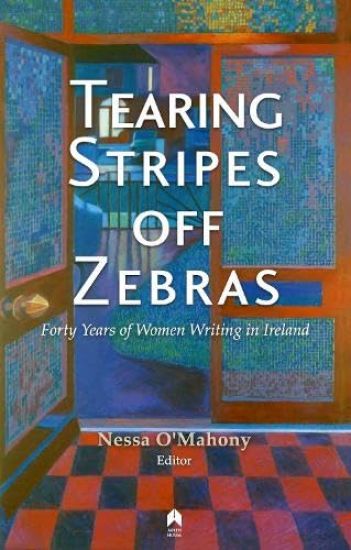
Tearing Stripes off Zebras

Tearing Stripes off Zebras

Catherine Dunne; Mary Rose Callaghan; Helena Nolan; Liz McManus; Lia Mills; Mary O'Donnell; Eilis Ni Dhuibhne; Phyl Herbert; Celia de Freine; Shauna Gilligan

ARLEN HOUSE
2023
nidottu
WEB was the brainchild of Arlen House founder Catherine Rose, who appointed poet Eavan Boland as Creative Director. As an editor at Arlen House from 1978, Boland did much extraordinary work to develop, mentor and promote Irish women writers. The founders of WEB writers’ group initially met at these empowering, transformative workshops hosted by Boland, and they have been meeting continuously for almost forty years, making WEB one of the longest-running writing groups in Ireland. Over the decades, WEB writers and alumni have established highly-successful literary careers, publishing books, having plays and film scripts produced, and winning prestigious literary prizes. This anthology of new poetry, prose and drama, edited by Nessa O’Mahony, is dedicated to the memory of Eavan Boland.
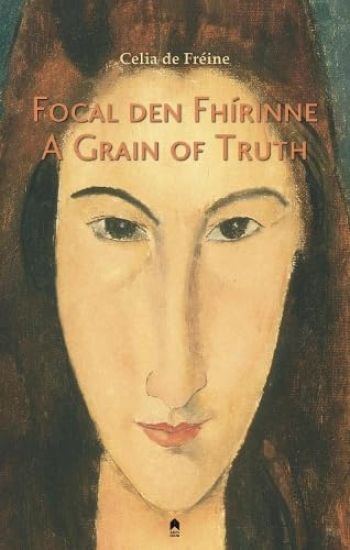
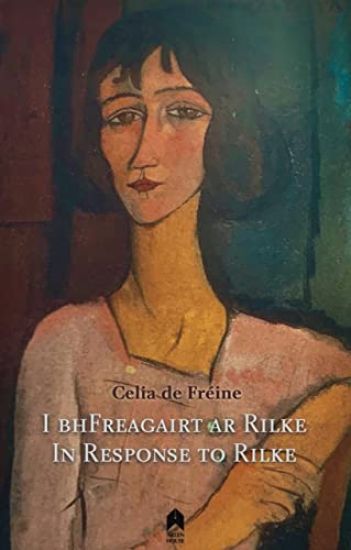
In Response to Rilke / I BhFreagairt Ar Rilke
Although Rainer Maria Rilke is better known for his work in German, he also wrote more than four hundred poems in French. During a residency at the Centre Culturel Irlandais in Paris, Celia de Fréine became familiar with this work and with the man himself. This collection is a response to Rilke’s influence and to his French oeuvre, in particular the book Migration des Forces.
Desire / Meanmarc

Desire / Meanmarc

Celia de Fréine

Arlen House
2012
nidottu
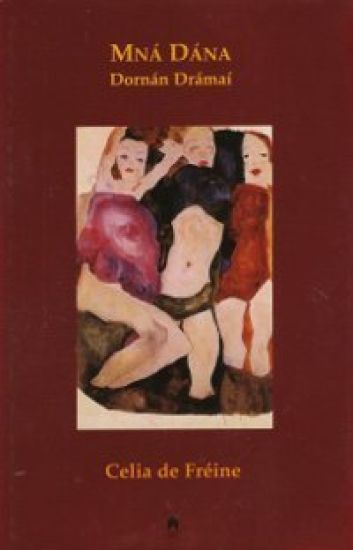
Brian Merriman wrote The Midnight Court in or around 1780. This play imagines the time in his life immediately before he laid pen to paper. In it we meet characters from his local neighbourhood, and it is given to understand that it is the neighbourhood, its people and their deeds, that inspire the poet to undertake this unique work.