Kirjojen hintavertailu. Mukana 12 595 353 kirjaa ja 12 kauppaa.

Kirjailija

Celia Hunt

Kirjat ja teokset yhdessä paikassa: 5 kirjaa, julkaisuja vuosilta 2000-2013, suosituimpien joukossa Therapeutic Dimensions of Autobiography in Creative Writing. Vertaile teosten hintoja ja tarkista saatavuus suomalaisista kirjakaupoista.

5 kirjaa

Kirjojen julkaisuhaarukka 2000-2013.

Transformative Learning through Creative Life Writing
Arising from a research project conducted over two years, Transformative Learning through Creative Life Writing examines the effects of fictional autobiography on adult learners’ sense of self. Starting from a teaching and learning perspective, Hunt draws together ideas from psychodynamic psychotherapy, literary and learning theory, and work in the cognitive and neurosciences of the self and consciousness, to argue that creative life writing undertaken in a supportive learning environment, alongside opportunities for critical reflection, has the power to transform the way people think and learn. It does this by opening them up to a more embodied self-experience, which increases their awareness of the source of their thinking in bodily feeling and enables them to develop a more reflexive approach to learning. Hunt locates this work within recent developments in the influential field of transformative learning. She also identifies it as a form of therapeutic education arguing, contrary to those who say that this approach leads to a diminished sense of self, that it can help people to develop a stronger sense of agency, whether for writing or learning or relations with others. Topics covered include: Creative writing as a tool for personal and professional development The transformative benefits and challenges of creative writing as a therapeutic activity The relationships between literary structures and the processes of thinking and feeling The role of cognitive-emotional learning in adult education Collaborative learning and the role of the group This book will interest teachers in adult, further and higher education who wish to use creative life writing as a tool for learning, as well as health care professionals seeking art-based techniques for use in their practice. It will also prove useful to academics interested in the relationship between education and psychotherapy, and in the theory and practice of transformative learning. Additionally, it will appeal to writers seeking a deeper understanding of the creative process.
Transformative Learning through Creative Life Writing
Arising from a research project conducted over two years, Transformative Learning through Creative Life Writing examines the effects of fictional autobiography on adult learners’ sense of self. Starting from a teaching and learning perspective, Hunt draws together ideas from psychodynamic psychotherapy, literary and learning theory, and work in the cognitive and neurosciences of the self and consciousness, to argue that creative life writing undertaken in a supportive learning environment, alongside opportunities for critical reflection, has the power to transform the way people think and learn. It does this by opening them up to a more embodied self-experience, which increases their awareness of the source of their thinking in bodily feeling and enables them to develop a more reflexive approach to learning. Hunt locates this work within recent developments in the influential field of transformative learning. She also identifies it as a form of therapeutic education arguing, contrary to those who say that this approach leads to a diminished sense of self, that it can help people to develop a stronger sense of agency, whether for writing or learning or relations with others. Topics covered include: Creative writing as a tool for personal and professional development The transformative benefits and challenges of creative writing as a therapeutic activity The relationships between literary structures and the processes of thinking and feeling The role of cognitive-emotional learning in adult education Collaborative learning and the role of the group This book will interest teachers in adult, further and higher education who wish to use creative life writing as a tool for learning, as well as health care professionals seeking art-based techniques for use in their practice. It will also prove useful to academics interested in the relationship between education and psychotherapy, and in the theory and practice of transformative learning. Additionally, it will appeal to writers seeking a deeper understanding of the creative process.
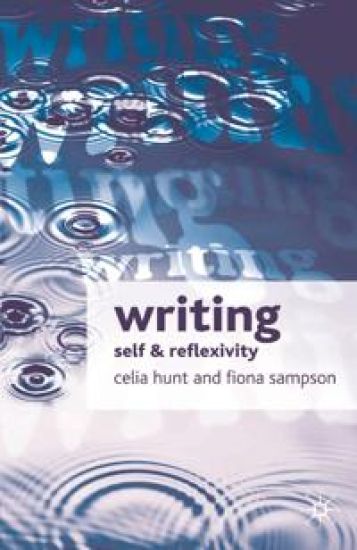
Writing

Writing

Celia Hunt; Fiona Sampson

Red Globe Press
2005
nidottu
Exploring the writing process and its relationship to self, this guide synthesizes critical and creative theories of writing for both writers and readers. Each chapter links a range of theoretical approaches to one practical aspect of writing, using illustrations from fiction, poetry and literary non-fiction, and suggesting practical exercises for pursuing the topic further. The book will enable students to develop literary, critical and psychodynamic understandings of the creative process and to explore a range of key topics.
Therapeutic Dimensions of Autobiography in Creative Writing
It was the author's own experience of fictional autobiography that led Celia Hunt serendipiditously to appreciate that such writing could be therapeutic. She noticed, for example, and this was subsequently echoed in many of her students' experiences, a beneficial psychological change - and increased inner freedom, greater psychic flexability (perhaps the key to creativity and psychological health), a stronger sense of personal identity. This book tells us about the hows and whys of such therapeutic change.'- AutoBiographyJournal.com'A critical examination of the therapeutic possibilities of autobiographical fiction that draws on perspectives from both psychoanalytic and literary studies.'- The Journal Of Critical Psychology, Counselling and PsychotherapyTherapeutic Dimensions of Autobiography in Creative Writing brings together theory and practice from psychoanalysis, literary and cultural studies and the growing field of creative writing studies. It highlights the importance of autobiographical writing not only as an opening into fiction writing, but also as a powerful therapeutic tool.Celia Hunt discusses how autobiographical fiction can be used in therapeutic work by art therapists, psychotherapists and creative writing tutors, as well as in personal development by writers of any kind. She draws up guidelines for a successful course on autobiography and creative writing, and presents case studies and practical ideas for writing about the self.She shows how writing autobiographical fiction can help people to explore significant events and relationships in their lives. Finding a writing voice in this way clarifies and strengthens the writer's sense of identity, leading to a fuller realisation of his or her potential in life.