Kirjojen hintavertailu. Mukana 12 657 676 kirjaa ja 12 kauppaa.

Kirjailija

Charles Fountain

Kirjat ja teokset yhdessä paikassa: 4 kirjaa, julkaisuja vuosilta 2009-2023, suosituimpien joukossa A Word on Words. Vertaile teosten hintoja ja tarkista saatavuus suomalaisista kirjakaupoista.

4 kirjaa

Kirjojen julkaisuhaarukka 2009-2023.

A Word on Words

A Word on Words

Andrew Maraniss; Arna Bontemps; John Egerton; John Lewis; David Halberstam; Jesse Hill Ford; Pat Conroy; Ann Patchett; Dori Sanders; Alice Randall; Nikki Giovanni; Marshall Chapman; Marty Stuart; Rodney Crowell; Waylon Jennings; Kinky Friedman; Charles Fountain; William Marshall; William Price Fox; Jon Meacham; Doris Kearns Goodwin; David Maraniss; John Michael Seigenthaler

VANDERBILT UNIVERSITY PRESS
2023
sidottu
For years the legendary John Seigenthaler hosted A Word on Words on Nashville's public television station, WNPT. During the show’s four-decade run (1972 to 2013), he interviewed some of the most interesting and most impor­tant writers of our time. These in-depth exchanges revealed much about the writers who appeared on his show and gave a glimpse into their creative pro­cesses. Seigenthaler was a deeply engaged reader and a generous interviewer, a true craftsman. Frye Gaillard and Pat Toomay have collected and transcribed some of the iconic interactions from the show. Featuring interviews with: Arna Bontemps • Marshall Chapman • Pat Conroy • Rodney Crowell • John Egerton • Jesse Hill Ford • Charles Fountain • William Price Fox • Kinky Friedman • Frye Gaillard • Nikki Giovanni • Doris Kearns Goodwin • David Halberstam • Waylon Jennings • John Lewis • David Maraniss • William Marshall • Jon Meacham • Ann Patchett • Alice Randall • Dori Sanders • John Seigenthaler Sr. • Marty Stuart • Pat Toomay
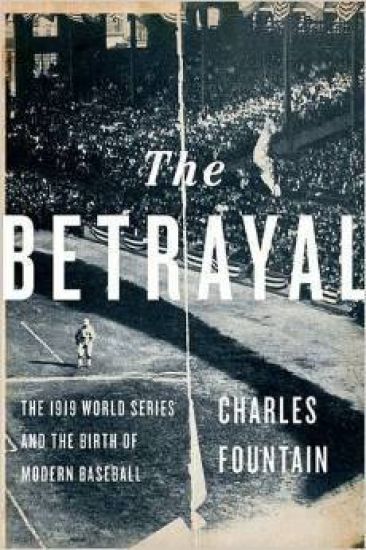
The Betrayal

The Betrayal

Charles Fountain

Oxford University Press Inc
2017
nidottu
In the most famous scandal of sports history, eight Chicago White Sox players--including Shoeless Joe Jackson--agreed to throw the 1919 World Series to the Cincinnati Reds in exchange for the promise of $20,000 each from gamblers reportedly working for New York mobster Arnold Rothstein. Heavily favored, Chicago lost the Series five games to three. Although rumors of a fix flew while the series was being played, they were largely disregarded by players and the public at large. It wasn't until a year later that a general investigation into baseball gambling reopened the case, and a nationwide scandal emerged. In this book, Charles Fountain offers a full and engaging history of one of baseball's true moments of crisis and hand-wringing, and shows how the scandal changed the way American baseball was both managed and perceived. After an extensive investigation and a trial that became a national morality play, the jury returned not-guilty verdicts for all of the White Sox players in August of 1921. The following day, Judge Kennesaw Mountain Landis, baseball's new commissioner, "regardless of the verdicts of juries," banned the eight players for life. And thus the Black Sox entered into American mythology. Guilty or innocent? Guilty and innocent? The country wasn't sure in 1921, and as Fountain shows, we still aren't sure today. But we are continually pulled to the story, because so much of modern sport, and our attitude towards it, springs from the scandal. Fountain traces the Black Sox story from its roots in the gambling culture that pervaded the game in the years surrounding World War I, through the confusing events of the 1919 World Series itself, to the noisy aftermath and trial, and illuminates the moment as baseball's tipping point. Despite the clumsy unfolding of the scandal and trial and the callous treatment of the players involved, the Black Sox saga was a cleansing moment for the sport. It launched the age of the baseball commissioner, as baseball owners hired Landis and surrendered to him the control of their game. Fountain shows how sweeping changes in 1920s triggered by the scandal moved baseball away from its association with gamblers and fixers, and details how American's attitude toward the pastime shifted as they entered into "The Golden Age of Sport." Situating the Black Sox events in the context of later scandals, including those involving Reds manager and player Pete Rose, and the ongoing use of steroids in the game up through the present, Fountain illuminates America's near century-long fascination with the story, and its continuing relevance today.
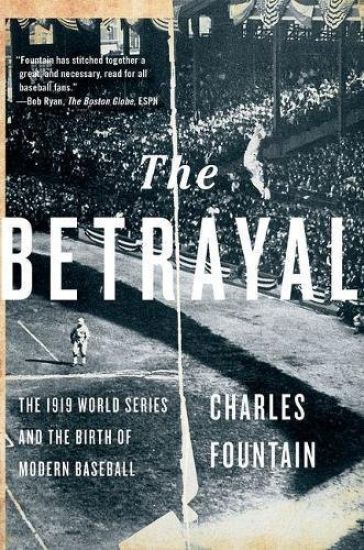
The Betrayal

The Betrayal

Charles Fountain

Oxford University Press Inc
2015
sidottu
In the most famous scandal of sports history, eight Chicago White Sox players--including Shoeless Joe Jackson--agreed to throw the 1919 World Series to the Cincinnati Reds in exchange for the promise of $20,000 each from gamblers reportedly working for New York mobster Arnold Rothstein. Heavily favored, Chicago lost the Series five games to three. Although rumors of a fix flew while the series was being played, they were largely disregarded by players and the public at large. It wasn't until a year later that a general investigation into baseball gambling reopened the case, an a nationwide scandal emerged. In this book, Charles Fountain offers a full and engaging history of one of baseball's true moments of crisis and hand-wringing, and shows how the scandal changed the way American baseball was both managed and perceived. After an extensive investigation and a trial that became a national morality play, the jury returned not-guilty verdicts for all of the White Sox players in August of 1921. The following day, Judge Kennesaw Mountain Landis, baseball's new commissioner, "regardless of the verdicts of juries," banned the eight players for life. And thus the Black Sox entered into American mythology. Guilty or innocent? Guilty and innocent? The country wasn't sure in 1921, and as Fountain shows, we still aren't sure today. But we are continually pulled to the story, because so much of modern sport, and our attitude towards it, springs from the scandal. Fountain traces the Black Sox story from its roots in the gambling culture that pervaded the game in the years surrounding World War I, through the confusing events of the 1919 World Series itself, to the noisy aftermath and trial, and illuminates the moment as baseball's tipping point. Despite the clumsy unfolding of the scandal and trial and the callous treatment of the players involved, the Black Sox saga was a cleansing moment for the sport. It launched the age of the baseball commissioner, as baseball owners hired Landis and surrendered to him the control of their game. Fountain shows how sweeping changes in 1920s triggered by the scandal moved baseball away from its association with gamblers and fixers, and details how American's attitude toward the pastime shifted as they entered into "The Golden Age of Sport." Situating the Black Sox events in the context of later scandals, including those involving Reds manager and player Pete Rose, and the ongoing use of steroids in the game up through the present, Fountain illuminates America's near century-long fascination with the story, and its continuing relevance today.
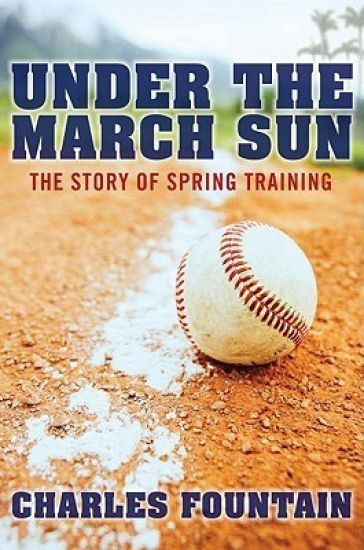
Under the March Sun

Under the March Sun

Charles Fountain

Oxford University Press Inc
2009
sidottu
There is nothing in all of American sport quite like baseball's spring training. This annual six-week ritual, whose origins date back nearly a century and a half, fires the hearts and imaginations of fans who flock by the hundreds of thousands to places like Dodgertown to glimpse superstars and living legends in a relaxed moment and watch the drama of journeyman veterans and starry-eyed kids in search of that last spot on the bench. In Under the March Sun, Charles Fountain recounts for the first time the full and fascinating history of spring training and its growth from a shoestring-budget roadtrip to burn off winter calories into a billion-dollar-a-year business. In the early days southern hotels only reluctantly admitted ballplayers--and only if they agreed not to mingle with other guests. Today cities fight for teams by spending millions in public money to build ever-more-elaborate spring-training stadiums. In the early years of the 20th century, the mayor of St. Petersburg, Florida, Al Lang, first realized that coverage in northern newspapers every spring was publicity his growing city could never afford to buy. As the book demonstrates, cities have been following Lang's lead ever since, building identities and economies through the media exposure and visitors that spring training brings. An entertaining cultural history that taps into the romance of baseball even as it reveals its more hard-nosed commercial machinations, Under the March Sun shows why spring training draws so many fans southward every March. While the prices may be growing and the intimacy and accessibility shrinking, they come because the sunshine and sense of hope are timeless.