Kirjojen hintavertailu. Mukana 12 595 353 kirjaa ja 12 kauppaa.

Kirjailija

Charles Goodman

Kirjat ja teokset yhdessä paikassa: 2 kirjaa, julkaisuja vuosilta 2009-2014, suosituimpien joukossa Consequences of Compassion. Vertaile teosten hintoja ja tarkista saatavuus suomalaisista kirjakaupoista.

2 kirjaa

Kirjojen julkaisuhaarukka 2009-2014.

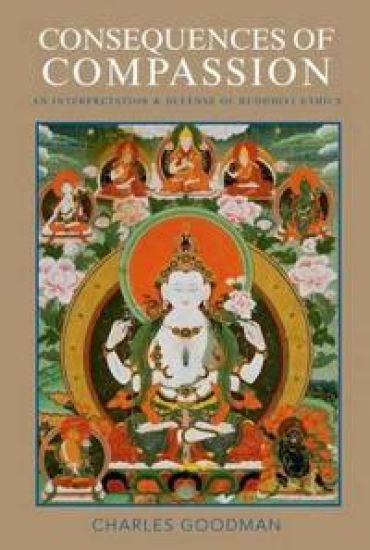
Consequences of Compassion

Consequences of Compassion

Charles Goodman

Oxford University Press Inc
2014
nidottu
For many Westerners, the most appealing teachings of the Buddhist tradition pertain to ethics. Buddhist ethical views have much in common with certain modern ethical theories, and contain many insights relevant to contemporary moral problems. In Consequences of Compassion, Charles Goodman illuminates the relationship between Buddhism and Western ethical theories. Buddhist texts offer an interesting approach to the demands of morality and a powerful critique of what we would identify as the concept of free will-a critique which leads to a hard determinist view of human action. But rather than being a threat to morality, this view supports Buddhist values of compassion, nonviolence and forgiveness, and leads to a more humane approach to the justification of punishment. Drawing on Buddhist religious values, Goodman argues against the death penalty and mandatory minimum sentences. Every version of Buddhist ethics, says Goodman, takes the welfare of sentient beings to be the only source of moral obligations. Buddhist ethics can thus be said to be based on compassion in the sense of a motivation to pursue the welfare of others. On this interpretation, the fundamental basis of the various forms of Buddhist ethics is the same as that of the welfarist members of the family of ethical theories that analytic philosophers call "consequentialism." Goodman uses this hypothesis to illuminate a variety of questions. He examines the three types of compassion practiced in Buddhism and argues for their implications for important issues in applied ethics. Goodman argues that the Buddhist tradition can and will ultimately make important contributions to contemporary global conversations about ethical issues while placing Buddhist views into the mainstream of current ethical analysis.

Consequences of Compassion

Consequences of Compassion

Charles Goodman

Oxford University Press Inc
2009
sidottu
To many Westerners, the most appealing teachings of the Buddhist tradition pertain to ethics. Many readers have drawn inspiration from Buddhism's emphasis on compassion, nonviolence, and tolerance, its concern for animals, and its models of virtue and self-cultivation. There has been, however, controversy and confusion about which Western ethical theories resemble Buddhist views and in what respects. In this book, Charles Goodman illuminates the relations between Buddhist concepts and Western ethical theories. Every version of Buddhist ethics, says Goodman, takes the welfare of sentient beings to be the only source of moral obligations. Buddhist ethics can thus be said to be based on compassion in the sense of a motivation to pursue the welfare of others. On this interpretation, the fundamental basis of the various forms of Buddhist ethics is the same as that of the welfarist members of the family of ethical theories that analytic philosophers call 'consequentialism.' Goodman uses this hypothesis to illuminate a variety of questions. He examines the three types of compassion practiced in Buddhism and argues for their implications for important issues in applied ethics, especially the justification of punishment and the question of equality.