Kirjojen hintavertailu. Mukana 12 595 353 kirjaa ja 12 kauppaa.
Kirjailija
Charles R. Anderson
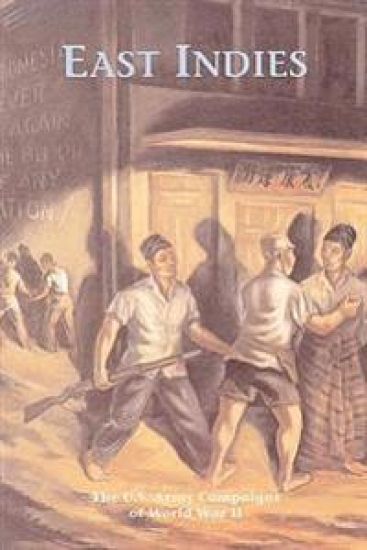
Kirjat ja teokset yhdessä paikassa: 14 kirjaa, julkaisuja vuosilta 1982-2015, suosituimpien joukossa East Indies: The U.S. Army Campaigns of World War II. Vertaile teosten hintoja ja tarkista saatavuus suomalaisista kirjakaupoista.
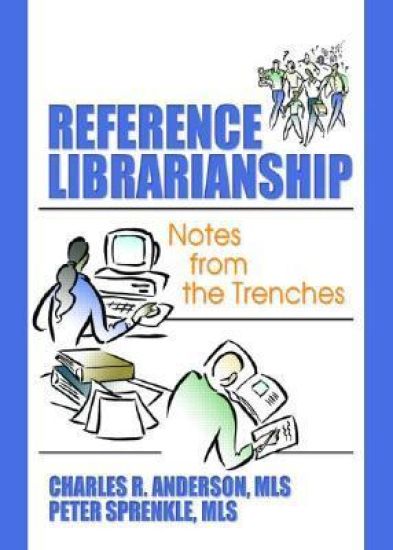
A daily diary of actual interactions between a reference desk librarian and his patronsReference Librarianship documents a year in the life of a young librarian working in the “trenches” at a library in the Midwestern United States. This one-of-a-kind book provides a daily diary of every librarian/patron transaction—no matter how mundane or absurd—to demonstrate not only how advances in technology have affected the reference librarian’s job, but how the public’s expectations have changed, as well. The book also includes observations by a now-retired reference librarian on the current state of the field based on these unedited interactions.Over the past two decades, the job of reference librarian has seen many changes. But in many ways, reference desk work hasn’t changed a bit, with its mix of odd, humorous, routine, and ridiculous requests that capture what it’s like to deal with patrons day after day. Reference Librarianship paints a clear picture of the field for library school students, provides emotional and philosophical support to practitioners, and reminds library administrators of what life was like on the “front lines.” A sampling of the daily transactions documented in Reference Librarianship:Monday, May 19, 2003:pencil pencil network down I tell people that I can’t sign them up for an Internet terminal because the network is down and they just stand there, staring into space One of them asks for three days worth of newspapers microfiche machine explanation Sorry, Sir, the network is still down (multiply by twenty and insert randomly into the remainder of the day) magic tricks, but he pretty much knew where they were One of our large interior plate glass windows shattered. No one was hurt and it made a fascinating noise, like a crystal waterfall landing on soil. “Books on prostitution, you know—whores?” Someone from the County called to ask if any criminal activity had occurred on a particular street. Someone else referred her to us. She was dubious—with good reason. “Math puzzles.” Okay. I show him the books. “Just math.” Certainly. I show him the books. “I need them in Spanish.” Grrr ... Reference Librarianship is an enlightening, educational, and entertaining look at the real world of reference desk work. It’s an essential read for reference librarians (both public and academic), library administrators, and library school students, as well as anyone who works with the public.
A daily diary of actual interactions between a reference desk librarian and his patronsReference Librarianship documents a year in the life of a young librarian working in the “trenches” at a library in the Midwestern United States. This one-of-a-kind book provides a daily diary of every librarian/patron transaction—no matter how mundane or absurd—to demonstrate not only how advances in technology have affected the reference librarian’s job, but how the public’s expectations have changed, as well. The book also includes observations by a now-retired reference librarian on the current state of the field based on these unedited interactions.Over the past two decades, the job of reference librarian has seen many changes. But in many ways, reference desk work hasn’t changed a bit, with its mix of odd, humorous, routine, and ridiculous requests that capture what it’s like to deal with patrons day after day. Reference Librarianship paints a clear picture of the field for library school students, provides emotional and philosophical support to practitioners, and reminds library administrators of what life was like on the “front lines.” A sampling of the daily transactions documented in Reference Librarianship:Monday, May 19, 2003:pencil pencil network down I tell people that I can’t sign them up for an Internet terminal because the network is down and they just stand there, staring into space One of them asks for three days worth of newspapers microfiche machine explanation Sorry, Sir, the network is still down (multiply by twenty and insert randomly into the remainder of the day) magic tricks, but he pretty much knew where they were One of our large interior plate glass windows shattered. No one was hurt and it made a fascinating noise, like a crystal waterfall landing on soil. “Books on prostitution, you know—whores?” Someone from the County called to ask if any criminal activity had occurred on a particular street. Someone else referred her to us. She was dubious—with good reason. “Math puzzles.” Okay. I show him the books. “Just math.” Certainly. I show him the books. “I need them in Spanish.” Grrr ... Reference Librarianship is an enlightening, educational, and entertaining look at the real world of reference desk work. It’s an essential read for reference librarians (both public and academic), library administrators, and library school students, as well as anyone who works with the public.
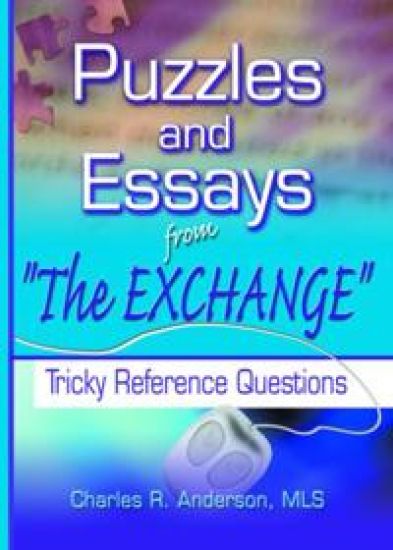
Who said that? When did that happen? Where the heck does that thing come from? Was that French, or what? What's that supposed to mean?For 35 years, librarians in the United States and other countries sent puzzles they could not solve locally to “The Exchange,” a column for reference librarians appearing in RQ (and later, RUSQ), the official journal of the Reference and User Services Division of the ALA. Other readers often furnished the answers--sometimes years or even decades later! Puzzles and Essays from The Exchange organizes those perplexing questions and answers into a reader-friendly reference format, embellished with essays that appeared in the column over the last fifteen years of its publication.This unique collection of questions and answers that stumped librarians on four continents over a 35-year period comes complete with authoritative bibliographic citations. It also contains an extensive subject, person, and keyword index, providing easy access to the material.Packed with fascinating information, little-known trivia, and hard-to-find facts, Puzzles and Essays from The Exchange is a wonderful reference source, answering difficult questions about: the origins of common--and not-so-common-customs, like giving engagement rings, driving on the right or left side of the road, tying yellow ribbons around trees in memory of captives, leg shaving, visits from the “Tooth Fairy,” and much, much more! the origins of words, phrases, and terms that don’t, when taken literally, make much sense the origins of popular sayings--The grass is always greener; The whole nine yards; It ain't over until the fat lady sings; Close but no cigar; Going down the tube; Light at the end of the tunnel; Katy, bar the door; Goodbye, cruel world; etc. the sources of famous quotations--both spurious and real! the sources of poetry fragments and bits of verse that have become part of the popular lexicon hard-to-find biographical information-from George Washington Carver's many uses for the peanut and the sweet potato to the name of Paul Revere's horse to the truth about the “let them eat cake” story attributed to Marie Antoinette trivia and miscellany--how lullabies began; why a yawn is contagious when a sneeze is not; what the names of the monkeys in The Wizard of Oz were; why pigeons bob their heads when they walk; what the vital statistics of the Venus de Milo are; and much more! the history of “The Exchange” itself!Puzzles and Essays from The Exchange will also challenge you with a list of so-far unanswered questions, unidentified quotations, and popular sayings whose origins are still generally unknown. Perhaps you’ll be the one to answer the riddles that stumped the editors and readers of “The Exchange!”
Who said that? When did that happen? Where the heck does that thing come from? Was that French, or what? What's that supposed to mean?For 35 years, librarians in the United States and other countries sent puzzles they could not solve locally to “The Exchange,” a column for reference librarians appearing in RQ (and later, RUSQ), the official journal of the Reference and User Services Division of the ALA. Other readers often furnished the answers--sometimes years or even decades later! Puzzles and Essays from The Exchange organizes those perplexing questions and answers into a reader-friendly reference format, embellished with essays that appeared in the column over the last fifteen years of its publication.This unique collection of questions and answers that stumped librarians on four continents over a 35-year period comes complete with authoritative bibliographic citations. It also contains an extensive subject, person, and keyword index, providing easy access to the material.Packed with fascinating information, little-known trivia, and hard-to-find facts, Puzzles and Essays from The Exchange is a wonderful reference source, answering difficult questions about: the origins of common--and not-so-common-customs, like giving engagement rings, driving on the right or left side of the road, tying yellow ribbons around trees in memory of captives, leg shaving, visits from the “Tooth Fairy,” and much, much more! the origins of words, phrases, and terms that don’t, when taken literally, make much sense the origins of popular sayings--The grass is always greener; The whole nine yards; It ain't over until the fat lady sings; Close but no cigar; Going down the tube; Light at the end of the tunnel; Katy, bar the door; Goodbye, cruel world; etc. the sources of famous quotations--both spurious and real! the sources of poetry fragments and bits of verse that have become part of the popular lexicon hard-to-find biographical information-from George Washington Carver's many uses for the peanut and the sweet potato to the name of Paul Revere's horse to the truth about the “let them eat cake” story attributed to Marie Antoinette trivia and miscellany--how lullabies began; why a yawn is contagious when a sneeze is not; what the names of the monkeys in The Wizard of Oz were; why pigeons bob their heads when they walk; what the vital statistics of the Venus de Milo are; and much more! the history of “The Exchange” itself!Puzzles and Essays from The Exchange will also challenge you with a list of so-far unanswered questions, unidentified quotations, and popular sayings whose origins are still generally unknown. Perhaps you’ll be the one to answer the riddles that stumped the editors and readers of “The Exchange!”