Kirjojen hintavertailu. Mukana 12 595 353 kirjaa ja 12 kauppaa.

Kirjailija

Charles River

Kirjat ja teokset yhdessä paikassa: 4 672 kirjaa, julkaisuja vuosilta 2013-2020, suosituimpien joukossa William Powell and Myrna Loy: The Lives and Careers of One of Classical Hollywood's Most Iconic Duos. Vertaile teosten hintoja ja tarkista saatavuus suomalaisista kirjakaupoista.

4 672 kirjaa

Kirjojen julkaisuhaarukka 2013-2020.

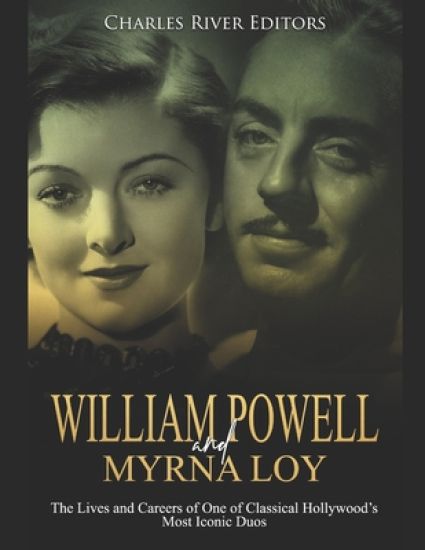
William Powell and Myrna Loy: The Lives and Careers of One of Classical Hollywood's Most Iconic Duos
*Includes pictures*Includes a bibliography for further reading"My first scene with Bill, a night shot on the back lot, happened before we'd even met. Woody was apparently too busy for introductions. My instructions were to run out of a building, through a crowd, and into a strange car. When Woody called 'Action, ' I opened the car door, jumped in, and landed smack on William Powell's lap. He looked up nonchalantly: 'Miss Loy, I presume' I said, 'Mr. Powell' And that's how I met the man who would be my partner in fourteen films." - Myrna LoyIt is something of a clich to say that an actor's life was like a movie he or she might have starred in, but in the case of Myrna Loy, the clich is true. It is easy to picture her as a little girl, riding the range with her rancher father, sitting around the table and participating charmingly in family discussions of current events. It is not hard to imagine the camera panning to her first and then second visits to Hollywood, her backlot tour, and starry-eyed decision to become an actress. There would have to be some drama, which the story of her father's untimely death would provide, along with some sort of deathbed promise made to him to care for the rest of the family. Her mother would be brave but resolute as she moved her young family to California. The lighting on set would brighten and the tempo of the background would pick up as she walked down the Los Angeles streets.Perhaps the camera would spin to show the passage of time, as the now adult Myrna got a job as a dancer and was then "discovered." There would have to be a scene of her signing her new surname, Loy, to her MGM contract, likely as several cigar smoking men looked on. Later the audience would see her fight off casting couch advances, earning her the reputation as the only good girl in Hollywood even as she was cast again and again in sultry, vampish roles. She would endure these with a positive attitude while always being on the lookout for something better. Then, her big break would come. The camera would show her first comical meeting with William Powell and then a spinning scene of ticket after ticket being sold to their new picture, The Thin Man. Her star obviously on the rise, ominous music would suddenly play, followed by booming cannons and falling bombs. A newspaper would flash on screen, "Pearl Harbor Bombed." Then the audience would see her stride determinedly into the movie studio offices and announce to those above that her love of country superseded her career ambitions and that she would be taking the duration of the war off from making pictures. Patriotic music would play as she was shown gathering clothing and giving speeches until, once more, the boys came marching home.In the 1920s, the burgeoning movie industry was starting to come into its own, and while older silent film stars like Charlie Chaplin and Buster Keaton reached the peak of Hollywood, some actors born near the beginning of the 20th century were ready to capitalize. While actors like Humphrey Bogart and Cary Grant remain household names, and actresses like Greta Garbo are still widely remembered, few had careers that enjoyed the success of William Powell.In a career spanning several decades, Powell would receive three Oscar nominations for Best Actor for critically acclaimed movies, so it is somewhat ironic that he is mostly remembered today for his association with the more famous Myrna Loy. Together, they starred in 14 films, including the 1934 box office hit, The Thin Man. One thing that helped Powell's career along in the old days when Hollywood would only cast white actors in major roles, no matter what the nationality of the character was supposed to be, were his dark good looks.
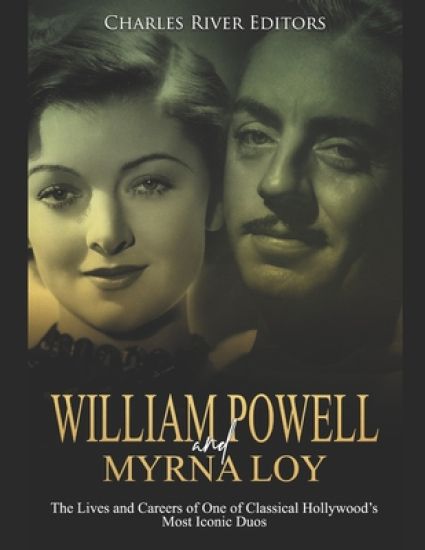
William Powell and Myrna Loy: The Lives and Careers of One of Classical Hollywood's Most Iconic Duos
*Includes pictures*Includes a bibliography for further reading"My first scene with Bill, a night shot on the back lot, happened before we'd even met. Woody was apparently too busy for introductions. My instructions were to run out of a building, through a crowd, and into a strange car. When Woody called 'Action, ' I opened the car door, jumped in, and landed smack on William Powell's lap. He looked up nonchalantly: 'Miss Loy, I presume' I said, 'Mr. Powell' And that's how I met the man who would be my partner in fourteen films." - Myrna LoyIt is something of a clich to say that an actor's life was like a movie he or she might have starred in, but in the case of Myrna Loy, the clich is true. It is easy to picture her as a little girl, riding the range with her rancher father, sitting around the table and participating charmingly in family discussions of current events. It is not hard to imagine the camera panning to her first and then second visits to Hollywood, her backlot tour, and starry-eyed decision to become an actress. There would have to be some drama, which the story of her father's untimely death would provide, along with some sort of deathbed promise made to him to care for the rest of the family. Her mother would be brave but resolute as she moved her young family to California. The lighting on set would brighten and the tempo of the background would pick up as she walked down the Los Angeles streets.Perhaps the camera would spin to show the passage of time, as the now adult Myrna got a job as a dancer and was then "discovered." There would have to be a scene of her signing her new surname, Loy, to her MGM contract, likely as several cigar smoking men looked on. Later the audience would see her fight off casting couch advances, earning her the reputation as the only good girl in Hollywood even as she was cast again and again in sultry, vampish roles. She would endure these with a positive attitude while always being on the lookout for something better. Then, her big break would come. The camera would show her first comical meeting with William Powell and then a spinning scene of ticket after ticket being sold to their new picture, The Thin Man. Her star obviously on the rise, ominous music would suddenly play, followed by booming cannons and falling bombs. A newspaper would flash on screen, "Pearl Harbor Bombed." Then the audience would see her stride determinedly into the movie studio offices and announce to those above that her love of country superseded her career ambitions and that she would be taking the duration of the war off from making pictures. Patriotic music would play as she was shown gathering clothing and giving speeches until, once more, the boys came marching home.In the 1920s, the burgeoning movie industry was starting to come into its own, and while older silent film stars like Charlie Chaplin and Buster Keaton reached the peak of Hollywood, some actors born near the beginning of the 20th century were ready to capitalize. While actors like Humphrey Bogart and Cary Grant remain household names, and actresses like Greta Garbo are still widely remembered, few had careers that enjoyed the success of William Powell.In a career spanning several decades, Powell would receive three Oscar nominations for Best Actor for critically acclaimed movies, so it is somewhat ironic that he is mostly remembered today for his association with the more famous Myrna Loy. Together, they starred in 14 films, including the 1934 box office hit, The Thin Man. One thing that helped Powell's career along in the old days when Hollywood would only cast white actors in major roles, no matter what the nationality of the character was supposed to be, were his dark good looks.
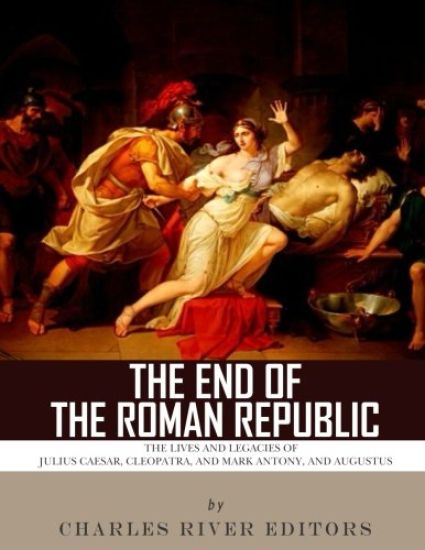
The End of the Roman Republic: The Lives and Legacies of Julius Caesar, Cleopatra, Mark Antony, and Augustus
*Weaves the famous stories of Caesar, Cleopatra, Antony and Augustus into one gripping narrative. *Includes famous art depicting Caesar, Antony, Cleopatra, Augustus and important people, places, and events in their lives. *Includes a comprehensive discussion of the facts and myths surrounding the deaths of Caesar, Antony and Cleopatra, separating fact from fiction. Possibly the most important man of antiquity, and even all of history, was Julius Caesar. Alexander Hamilton, the famous American patriot, once remarked that "the greatest man who ever lived was Julius Caesar". Such a tribute, coming from one of the Founding Fathers of the quintessential modern democracy in reference to a man who destroyed the Roman Republic, is testament to the enduring mark that Caesar left upon the world. The ultimate conqueror, statesman, dictator, visionary, and opportunist, during his time in power Caesar expanded the borders of Rome to almost twice their previous size, revolutionized the infrastructure of the Roman state, and destroyed the Roman Republic for good, leaving a line of emperors in its place. His legacy is so strong that his name has become, in many languages, synonymous with power: the Emperors of Austria and Germany bore the title Kaiser, and the Czars of Russia also owe the etymology of their title to Caesar. His name also crept further eastward out of Europe, even cropping up in Hindi and Urdu, where the term for "Emperor" is Kaisar. During one of the most turbulent periods in the history of Rome, men like Julius Caesar, Mark Antony, and Octavian participated in two civil wars that would spell the end of the Roman Republic and determine who would become the Roman emperor. In the middle of it all was history's most famous woman, the Egyptian pharaoh Cleopatra (69-30 B.C.), who famously seduced both Caesar and Antony and thereby positioned herself as one of the most influential people in a world of powerful men. Cleopatra was a legendary figure even to contemporary Romans and the ancient world, and she was a controversial figure who was equally reviled and praised through the years, depicted as a benevolent ruler and an evil seductress, sometimes at the same time. Over 2,000 years after her death, everything about Cleopatra continues to fascinate people around the world, from her lineage as a Ptolemaic pharaoh, her physical features, the manner in which she seduced Caesar, her departure during the Battle of Actium, and her famous suicide. Mark Antony (83-50 B.C.) is one of the most unique and best known figures of antiquity, a man whose relationships with some of history's giants ensured his own legacy. A prot g of Julius Caesar's, a lover of Cleopatra's, a sworn enemy of Cicero's, and a foil for Octavian, Antony has long been remembered for the role he played in others' lives more than for his own accomplishments. While Antony's relationships with Rome's most famous leaders and history's most famous woman were central components in his lives, the fact that his legacy has been intertwined with them belies the fact that he was a powerful man in his own right. The importance of Gaius Julius Caesar Augustus (or as he was known from birth, Gaius Octavius "Octavian" Thurinus) to the course of Western history is hard to overstate. His life, his rise to power, his political, social and military achievements, all laid the foundations for the creation of an Empire which would endure for almost five centuries, and whose traditions, laws, architecture and art continue to influence much of Europe and the world today. The End of the Roman Republic chronicles these amazing leaders and their colorful lives, separating fact from legend and analyzing the legacies they left behind on Rome and the world. Along with pictures and a Table of Contents, you will learn about Caesar, Cleopatra, Antony and Augustus like you never have before.
Joseph P. Kennedy, Sr.: The Life and Legacy of the Patriarch Behind America's Most Famous Political Dynasty
*Includes pictures *Includes online resources and a bibliography for further reading "We have a rich man, untrained in diplomacy, unlearned in history and politics, who is a great publicity seeker and who apparently is ambitious to be the first Catholic president of the U.S." - British MP Josiah Wedgwood's description of Joe Kennedy, Sr. as U.S. Ambassador to the United Kingdom In many ways, John Fitzgerald Kennedy and his young family were the perfect embodiment of the '60s. The decade began with a sense of idealism, personified by the attractive Kennedy, his beautiful and fashionable wife Jackie, and his young children. Months into his presidency, Kennedy exhorted the country to reach for the stars, calling upon the nation to send a man to the Moon and back by the end of the decade. In 1961, Kennedy made it seem like anything was possible, and Americans were eager to believe him. The Kennedy years were fondly and famously labeled "Camelot," by Jackie herself, suggesting an almost mythical quality about the young President and his family. As it turned out, the '60s closely reflected the glossy, idealistic portrayal of John F. Kennedy, as well as the uglier truths. The country would achieve Kennedy's goal of a manned moon mission, and the landmark Civil Rights Act of 1964 finally guaranteed minorities their civil rights and restored equality, ensuring that the country "would live out the true meaning of its creed." But the idealism and optimism of the decade was quickly shattered, starting with Kennedy's assassination in 1963. The '60s were permanently marred by the Vietnam War, and by the time Robert F. Kennedy and Martin Luther King, Jr. were assassinated in 1968, the country was irreversibly jaded. The events of the decade produced protests and countercultures unlike anything the country had seen before, as young people came of age more quickly than ever. While JFK was the member of the Kennedy dynasty to reach the White House, he was hardly the first to seek the presidency. In fact, that ambition was held by his father, Joseph P. Kennedy, Sr., the family's most controversial figure. The son of working class Irish Americans, Joe, Sr. fought his way to fame and fortune in every way available to him, both legal and illegally, morally and immorally. As he was in business, so he was with his family - devoted and underhanded, determined and cutthroat. He knew what he wanted for himself, his wife, and his children, and he was unwilling to let anyone or anything stand in the way. From his wife, he wanted children, devotion, and silence about his many affairs. From his sons, he wanted power and position. From his daughters, he expected beauty, grace, and absolute loyalty. For the most part, the Kennedy patriarch would get what he wanted, but he frequently paid a terrible price for it. Of course, Kennedy also had his own personal ambitions, which included residing in the White House. A mover and shaker in Democratic politics, he threw his support behind Franklin Roosevelt, a man he later came to hate. The most he got out of this alliance was a brief appointment as the U.S. Ambassador to the UK, where he made himself increasingly unpopular by devoutly opposing American involvement in World War II even as the situation got more desperate for the British by the day. Later, he wanted the presidency for his sons, three of which he would help bury. Finally, he wanted peace for himself and his family, a simple desire that proved to be more elusive than any of his more ambitious hopes. In the end, one of his peers may have summed it up best when he said, "I like Joe Kennedy but I have no illusions about him. He understands power. Everywhere he went, from Brahmin Boston to the Court of St. James's, he saw great hypocrisy about the philosophy of those who rule. Power is the end. What other delight is there but to enjoy the sheer sense of control?"
Robber Barons: The Lives and Careers of John D. Rockefeller, J.P. Morgan, Andrew Carnegie, and Cornelius Vanderbilt
*Includes pictures *Includes the business magnates' quotes about life and work *Includes online resources and a bibliography for further reading The Gilded Age and the dawn of the 20th century are often remembered as an era full of monopolies, trusts, and economic giants in heavy industries like oil and steel. Men like Andrew Carnegie built empires like Carnegie Steel, and financiers like J.P. Morgan merged and consolidated them. The era also made names like Astor, Cooke, and Vanderbilt instantly recognizable across the globe. Over time, the unfathomable wealth generated by the businesses made the individuals on top incredibly rich, and that in turn led to immense criticism and an infamous epithet used to rail against them: robber barons. Dozens of men were called "robber barons", but few of them were as notorious as Cornelius Vanderbilt, who also happened to be one of the nation's first business titans. Vanderbilt was a railroad and shipping magnate at a time that the industry was almost brand new, but he rode his success to become one of the richest and most powerful men in American history. When historians are asked to name the richest man in history, a name that often pops up is that of John D. Rockefeller, who co-founded Standard Oil and turned it into the first real trust in the United States. Rockefeller had been groomed ambitiously by a huckster father nicknamed "Devil Bill", who was just as willing to cheat his son as an unsuspecting public, and John certainly chased his dreams of living long and large. Rockefeller forged his empire in the first few decades of his life and nearly worked himself to death by the time he was 50, which helped compel him to retire for the last several decades of his life. At one point, Rockefeller's wealth was worth more than 1.5% of the entire country's gross domestic product, and by adjusting for inflation, he is arguably the richest man in American history if not world history. When robber barons across America took the reins of vast industries, they needed financing, and many of them turned to the most famous banker of all: John Pierpont Morgan. It was J.P. Morgan who bankrolled the consolidation of behemoth corporations across various industries, including the merging of Edison General Electric and Thomson-Houston Electric Company, which subsequently became General Electric, still known simply as GE across the world today. Similarly, he financed Federal Steel Company and consolidated various other steel businesses to help form the United States Steel Corporation. While critics complained about the outsized influence that these gigantic businesses had, Morgan's massive wealth also gave him unprecedented power in the financial sector and the ability to deal with politicians. In fact, Morgan played an important part in the Panic of 1907 and the subsequent decision to create the Federal Reserve as a monetary oversight. Ironically, one of America's most famous robber barons, Andrew Carnegie, epitomized the American Dream, migrating with his poor family to America in the mid-19th century and rising to the top of the business world in his adopted country. A prodigious writer in addition to his keen sense of business, Carnegie was one of the most outspoken champions of capitalism at a time when there was pushback among lower social classes who witnessed the great disparities in wealth; as he once put it, "Upon the sacredness of property civilization itself depends-the right of the laborer to his hundred dollars in the savings bank, and equally the legal right of the millionaire to his millions." In a similar vein, he said, "Those who would administer wisely must, indeed, be wise, for one of the serious obstacles to the improvement of our race is indiscriminate charity."
Frank Lloyd Wright: The Life and Buildings of America's Most Famous Architect

Frank Lloyd Wright: The Life and Buildings of America's Most Famous Architect

Charles River

Createspace Independent Publishing Platform
2016
nidottu
"The architect must be a prophet... a prophet in the true sense of the term... if he can't see at least ten years ahead don't call him an architect." - Frank Lloyd WrightPerhaps America's most innovative and prolific architect, the works of Frank Lloyd Wright are almost too vast and diverse to list. Recognized for designing unique churches and distinctive commercial buildings, and admired for his geometric style house designs, Wright has been widely imitated, and his work continues to influence architecture not only in the United States but around the world. Laymen often think they know the definition of "a Frank Lloyd Wright," but they probably don't fully understand the brilliant mind of the man, nor the intricacies of his Prairie Style. Yet it endures because he has made it so.In many ways, Wright's architectural career has overshadowed other aspects of his life. In the course of creating innovative kinds of offices, churches, schools, skyscrapers, hotels, and museums, not to mention furniture and stained glass decorations, Wright wrote over a dozen books and toured America and Europe at large, often giving widely acclaimed speeches. Despite a somewhat hardscrabble start to life in the Midwest, Wright became known for his flamboyant and entertaining lifestyle, which included multiple marriages and scandals like the murders at his Taliesin studio in 1914. But through it all, Wright continued working nearly up until his death, and in 1991 the American Institute of Architects recognized him as "the greatest American architect of all time"Frank Lloyd Wright: The Life and Buildings of America's Most Famous Architect looks at the life and works of one of history's greatest builders. Along with pictures of important people, places, and events, you will learn about Frank Lloyd Wright like never before.
Hollywood's 10 Greatest Actors: Humphrey Bogart, Cary Grant, Jimmy Stewart, Marlon Brando, Fred Astaire, Henry Fonda, Clark Gable, James Cagney, Spenc
*Includes pictures. *Includes actors' quotes about their careers. *Includes bibliographies. In 1999, the American Film Institute released its list of the 50 greatest Hollywood stars of the 20th century, and selecting the 10 best actors out of the bunch was certainly a tall task. The competition was so stacked that men like Gary Cooper and John Wayne were not even among the Top 10. So who were the Top 10 men selected by the AFI? One man has long been considered the greatest male star. From the time he first became a leading man, Humphrey Bogart's screen image has resonated with viewers more than perhaps any other actor. His persona as a tough guy who manages to maintain his sense of virtue no matter how compromising the situation features in some of the most famous films ever made, including Casablanca (1942), The Maltese Falcon (1941), and Key Largo (1949). Movie stars are revered for their ability to captivate audiences, and perhaps no actor has done it as well as Cary Grant, the epitome of the suave, debonair actor who may have been rivaled only by dancer extraordinaire Fred Astaire. Grant offered a version of the male actor that stood in stark contrast with the gangster heroes and hard-boiled film noir detectives that populated the screen throughout his career. If the list was reconstructed today, it is entirely possible that Stewart would rank first. Not only have movies such as It's a Wonderful Life (1946) and Vertigo (1958) continued to gain in popularity even into the 21st century, but Stewart has come to embody an accessible image of American values that is easy for everyone to embrace. Over the course of his long, prolific career, Marlon Brando was considered perhaps the greatest actor of the 20th century as well as one of the most complicated and misunderstood. Uniquely able to be both emotionally charged and technically constrained in the same performance, he single-handedly changed the direction of not only the American style of acting, influencing successors such as Robert De Niro, Al Pacino and even Johnny Depp, but the acting profession on a global scale. Virtually all famous actors are regaled by the public, but even still, Fred Astaire occupies a privileged position in American pop culture. The specific films in which Astaire acted may not be especially famous in their own right, but Astaire's dancing prowess invariably creates a lasting impact on viewers. Among all of Hollywood's iconic leading men, arguably none proved as versatile at acting as Henry Fonda, whose career spanned six decades and earned him Academy Awards for roles in various genres. A lot of Fonda's success could be attributed to the fact that he could convincingly play the all-American man that everybody in the nation adored and/or wanted to be. Best known for his role in Gone with the Wind (1939), Clark Gable had a unique appeal that captivated Depression-era audiences; while Cary Grant offered a sophisticated charm and Fred Astaire was tied to the musical genre, Gable brought an air of sophistication that was less comical than that of Grant and appealed to both genders, unlike Astaire. Ultimately, it was portraying tough guys and gangsters in the 1930s that turned James Cagney into a massive Hollywood star. In movies like The Public Enemy (which included the infamous "grapefruit scene") and White Heat, Cagney convincingly played criminals that brought Warner to the forefront of Hollywood After joining MGM in 1935, Tracy catapulted to fame with one of the most impressive runs in Hollywood history, winning Oscars for Best Actor in 1938 and 1939 after already being nominated in 1937. Charlie Chaplin was the first true film star, and he managed to do so even when films were still silent. He has been honored with too many awards to count, and the fact that his name remains instantly recognizable nearly a century after his first film is a testament to his influence
Cat and Mouse on the Niger: The History of the Competition Between the British and French for Control of the Niger River
*Includes pictures*Includes a bibliography for further reading"They have soldiers. We only have arguments." - French Foreign Minister Th ophile Delcass Near the end of the 19th century, Otto von Bismarck, the German chancellor, brought the plenipotentiaries of all major powers of Europe together to deal with Africa's colonization in such a manner as to avoid provocation of war. This event, known as the Berlin Conference of 1884-1885, galvanized a phenomenon that came to be known as the Scramble for Africa. The conference established two fundamental rules for European seizure of Africa. The first of these was that no recognition of annexation would granted without evidence of a practical occupation, and the second, that a practical occupation would be deemed unlawful without a formal appeal for protection made on behalf of a territory by its leader, a plea that must be committed to paper in the form of a legal treaty.This began a rush, spearheaded mainly by European commercial interests in the form of Chartered Companies, to penetrate the African interior and woo its leadership with guns, trinkets and alcohol, and having thus obtained their marks or seals upon spurious treaties, begin establishing boundaries of future European African colonies. The ease with which this was achieved was due to the fact that, at that point, traditional African leadership was disunited, and the people had just staggered back from centuries of concussion inflicted by the slave trade. Thus, to usurp authority, to intimidate an already broken society, and to play one leader against the other was a diplomatic task so childishly simple, the matter was wrapped up, for the most part, in less than a decade. Even at that stage, however, the countries would keep jostling for position in Africa against each other, attempting to snap up more land and consolidate it. As such, the scramble kept going at a fevered pitch until the outbreak of World War I. When they entered the negotiations in Berlin in 1884, the French were established in their flagship African territory of Senegal, situated at the westernmost point of continental Africa, which tended to give them an option over the vast reaches of the western continent so far unclaimed by any territory. The history of French engagement in Senegal can be traced back to 1677, with the French acquisition of a slave port on the island of Gor e, today a cantonment of the Senegalese capital of Dakar. From there, the French were apt to gaze across the vast expanse of unclaimed territory to their minor enclave of French Somaliland, founded between 1883 and 1887, and which would, in the post-independence era, become the state of Djibouti. The French imperial vision, therefore, became the establishment of French sovereignty over everything in between these two pints, including, if possible, Egypt. That obviously clashed with British objectives. As the British were working to establish a route from Cape Town in South Africa to Cairo in Egypt, the French were seeking to connect Dakar to Djibouti. If lines were drawn on the map to connect those places, the lines would intersect around the Sudanese river port of Kodok, which, during the imperial era, was known as Fashoda. The sequence of events across Africa would lead to a dramatic confrontation between a French expedition and British soldiers at Fashoda in 1898, and what happened there would help determine the boundaries of colonial Africa for the next several decades. Cat and Mouse on the Niger: The History of the Competition Between the British and French for Control of the Niger River chronicles the competition between both nations as they sought to make inroads on the African continent. Along with pictures depicting important people, places, and events, you will learn about the confrontations across the Niger like never before.
Cat and Mouse on the Niger: The History of the Competition Between the British and French for Control of the Niger River
*Includes pictures*Includes a bibliography for further reading"They have soldiers. We only have arguments." - French Foreign Minister Th ophile Delcass Near the end of the 19th century, Otto von Bismarck, the German chancellor, brought the plenipotentiaries of all major powers of Europe together to deal with Africa's colonization in such a manner as to avoid provocation of war. This event, known as the Berlin Conference of 1884-1885, galvanized a phenomenon that came to be known as the Scramble for Africa. The conference established two fundamental rules for European seizure of Africa. The first of these was that no recognition of annexation would granted without evidence of a practical occupation, and the second, that a practical occupation would be deemed unlawful without a formal appeal for protection made on behalf of a territory by its leader, a plea that must be committed to paper in the form of a legal treaty.This began a rush, spearheaded mainly by European commercial interests in the form of Chartered Companies, to penetrate the African interior and woo its leadership with guns, trinkets and alcohol, and having thus obtained their marks or seals upon spurious treaties, begin establishing boundaries of future European African colonies. The ease with which this was achieved was due to the fact that, at that point, traditional African leadership was disunited, and the people had just staggered back from centuries of concussion inflicted by the slave trade. Thus, to usurp authority, to intimidate an already broken society, and to play one leader against the other was a diplomatic task so childishly simple, the matter was wrapped up, for the most part, in less than a decade. Even at that stage, however, the countries would keep jostling for position in Africa against each other, attempting to snap up more land and consolidate it. As such, the scramble kept going at a fevered pitch until the outbreak of World War I. When they entered the negotiations in Berlin in 1884, the French were established in their flagship African territory of Senegal, situated at the westernmost point of continental Africa, which tended to give them an option over the vast reaches of the western continent so far unclaimed by any territory. The history of French engagement in Senegal can be traced back to 1677, with the French acquisition of a slave port on the island of Gor e, today a cantonment of the Senegalese capital of Dakar. From there, the French were apt to gaze across the vast expanse of unclaimed territory to their minor enclave of French Somaliland, founded between 1883 and 1887, and which would, in the post-independence era, become the state of Djibouti. The French imperial vision, therefore, became the establishment of French sovereignty over everything in between these two pints, including, if possible, Egypt. That obviously clashed with British objectives. As the British were working to establish a route from Cape Town in South Africa to Cairo in Egypt, the French were seeking to connect Dakar to Djibouti. If lines were drawn on the map to connect those places, the lines would intersect around the Sudanese river port of Kodok, which, during the imperial era, was known as Fashoda. The sequence of events across Africa would lead to a dramatic confrontation between a French expedition and British soldiers at Fashoda in 1898, and what happened there would help determine the boundaries of colonial Africa for the next several decades. Cat and Mouse on the Niger: The History of the Competition Between the British and French for Control of the Niger River chronicles the competition between both nations as they sought to make inroads on the African continent. Along with pictures depicting important people, places, and events, you will learn about the confrontations across the Niger like never before.
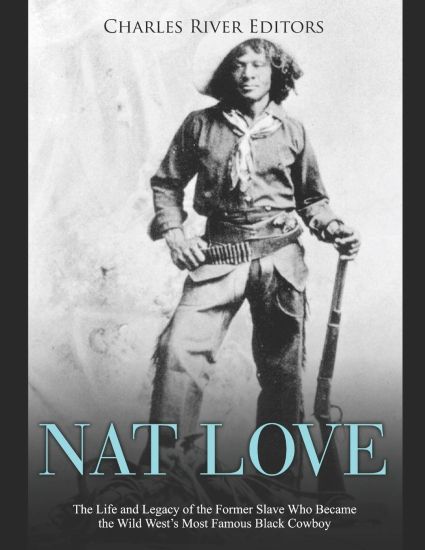
Nat Love: The Life and Legacy of the Former Slave Who Became the Wild West's Most Famous Black Cowboy
*Includes pictures*Includes a bibliography for further reading"Mounted on my horse my ... lariat near my hand, and my trusty guns in my belt ... I felt like I could defy the world." - Nat Love The American mountain man, with his myriad of practical skills, could endure isolation in a way most could not. He lived in constant peril from the extremes of nature and from the hostilities of cultures unlike his own. In an emergency, assistance was rarely available, and he rarely stayed in one place long enough to build even a simple shelter. Travel in the American West relied upon a specific calendar, and to ignore it could be fatal, as many discovered, to their misfortune. Winter in the mountainous regions of the Rocky Mountains and Cascades was lethally cold to explorer and settler alike, but desert areas and grass plains presented difficulties as well. The network of rivers flowing west of the Mississippi on both sides of the continental divide served as early highways to the Wyoming and Montana regions, the Oregon Territory, Utah and Colorado, and the California southwest. Some were placidly tranquil, while others raged through the extreme elevations, all but defying navigation. Explorers, soldiers, and settlers of African-American heritage comprise an unfamiliar story to most students of American history. However, in the push westward, they were present in sufficient enough numbers to exert great influence on the nation's development. Among the earliest accounts is that of Isabel de Olvera, who settled in New Mexico around the year of 1600, and it is estimated that by 1750, 25% of Albuquerque's population shared discernible African ancestry. York, the well-known servant of Lewis and Clark, accompanied the legendary expedition under the auspices of the Jefferson administration, and Edward Rose traveled up the Missouri River in the same era. Within just a few years, Pio Pico became the governor of California, and George Bush became one of the first black men to travel the Oregon Trail, opening that route to a flood of settlers over a 10-year period.In parallel with these individuals came a number of black frontiersmen who participated in the exploration of the Western terrain, said to have numbered in the dozens. Seldom heard but notable names of black figures in the West include trick rodeo rider Jesse Stahl, stunt rider and castle rustler Ned Huddleston, and Bass Reeves, the first black deputy U.S. Marshal. Isom Dart and Willie Bill Pickett also garnered some fame in the era. Needless to say, such a career was an unusual destiny for those who emerged from the system of slavery. Emancipation for an American slave generally involved a dangerous and illegal trek on foot toward the north, or through the Underground Railroad network operating between states east of the Mississippi. Given the illiteracy rates of the day, few tangible accounts of such journeys have survived, but one glaring exception is that of Nat Love, one of the most famous folk legends of the 19th century. In a journey spanning many decades, Love tried his hand at virtually every line of work related to Western life, and he is generally regarded as an emblematic all-around virtuoso of the cattle range, an environment demanding proficiency in numerous activities on a daily basis. His status is not only due in part to his highly developed skills, but also the fact that he wrote of his life in an extensive set of published memoirs. Nat Love: The Life and Legacy of the Former Slave Who Became the Wild West's Most Famous Black Cowboy chronicles the colorful life of Nat Love and the legends that sprung up around him over time. Along with pictures depicting important people, places, and events, you will learn about Nat Love like never before.
Nat Love: The Life and Legacy of the Former Slave Who Became the Wild West's Most Famous Black Cowboy
*Includes pictures*Includes a bibliography for further reading"Mounted on my horse my ... lariat near my hand, and my trusty guns in my belt ... I felt like I could defy the world." - Nat Love The American mountain man, with his myriad of practical skills, could endure isolation in a way most could not. He lived in constant peril from the extremes of nature and from the hostilities of cultures unlike his own. In an emergency, assistance was rarely available, and he rarely stayed in one place long enough to build even a simple shelter. Travel in the American West relied upon a specific calendar, and to ignore it could be fatal, as many discovered, to their misfortune. Winter in the mountainous regions of the Rocky Mountains and Cascades was lethally cold to explorer and settler alike, but desert areas and grass plains presented difficulties as well. The network of rivers flowing west of the Mississippi on both sides of the continental divide served as early highways to the Wyoming and Montana regions, the Oregon Territory, Utah and Colorado, and the California southwest. Some were placidly tranquil, while others raged through the extreme elevations, all but defying navigation. Explorers, soldiers, and settlers of African-American heritage comprise an unfamiliar story to most students of American history. However, in the push westward, they were present in sufficient enough numbers to exert great influence on the nation's development. Among the earliest accounts is that of Isabel de Olvera, who settled in New Mexico around the year of 1600, and it is estimated that by 1750, 25% of Albuquerque's population shared discernible African ancestry. York, the well-known servant of Lewis and Clark, accompanied the legendary expedition under the auspices of the Jefferson administration, and Edward Rose traveled up the Missouri River in the same era. Within just a few years, Pio Pico became the governor of California, and George Bush became one of the first black men to travel the Oregon Trail, opening that route to a flood of settlers over a 10-year period.In parallel with these individuals came a number of black frontiersmen who participated in the exploration of the Western terrain, said to have numbered in the dozens. Seldom heard but notable names of black figures in the West include trick rodeo rider Jesse Stahl, stunt rider and castle rustler Ned Huddleston, and Bass Reeves, the first black deputy U.S. Marshal. Isom Dart and Willie Bill Pickett also garnered some fame in the era. Needless to say, such a career was an unusual destiny for those who emerged from the system of slavery. Emancipation for an American slave generally involved a dangerous and illegal trek on foot toward the north, or through the Underground Railroad network operating between states east of the Mississippi. Given the illiteracy rates of the day, few tangible accounts of such journeys have survived, but one glaring exception is that of Nat Love, one of the most famous folk legends of the 19th century. In a journey spanning many decades, Love tried his hand at virtually every line of work related to Western life, and he is generally regarded as an emblematic all-around virtuoso of the cattle range, an environment demanding proficiency in numerous activities on a daily basis. His status is not only due in part to his highly developed skills, but also the fact that he wrote of his life in an extensive set of published memoirs. Nat Love: The Life and Legacy of the Former Slave Who Became the Wild West's Most Famous Black Cowboy chronicles the colorful life of Nat Love and the legends that sprung up around him over time. Along with pictures depicting important people, places, and events, you will learn about Nat Love like never before.
Jan Hus and Ulrich Zwingli: The Lives and Deaths of the Reformation's Most Famous Martyrs
*Includes pictures*Includes a bibliography for further reading "Therefore, faithful Christian, seek the truth, listen to the truth, learn the truth, love the truth, tell the truth, learn the truth, defend the truth even to death." - Jan Hus"The Christian life, then, is a battle, so sharp and full of danger that effort can nowhere be relaxed without loss. I beseech Christ for this one thing only, that He will enable me to endure all things courageously, and that He break me as a potter's vessel or make me strong, as it pleases Him." - Ulrich ZwingliTheologian and reformer John Wycliffe never had the opportunity to take his doctrines outside of his native England, but he could never have imagined that his teachings would one day travel as far as 920 miles east to Bohemia. In fact, while his contentious convictions aroused much ado at home, receiving both praise and contempt from followers and ecclesiastical figures, his messages would be far more resonant across the Channel than they ever were back home. The revival of Wycliffe's ideas, many believe, was ignited by receptive Bohemian students who were introduced to the reformer's works at Oxford University and became so moved by his thoughts that they felt it absolutely imperative to spread the good word in their own kingdoms. Questioning Christians quietly perused compilations of Wycliffe's books and were, at the very least, intrigued by the nonconformist's opinions. One curious mind, however, was supposedly so inspired by Wycliffe that he was at once galvanized into action. Instead of simply parroting Wycliffe's seditious ideas, he launched an entire movement and remained fervidly true to his cause, even when his own life was at stake. This fearless firebrand was none other than Jan Hus, the father of the Bohemian Reformation and one of the most infamous heretics in all of Europe.If Wycliffe was the "Morning Star of the Reformation," Hus was the Guiding Star of the movement. Hus started as a Czech priest, but he quickly became notorious for debating several Church doctrines such as the Eucharist, Church ecclesiology, and many more topics. Today, he is viewed as a predecessor of the Lutherans, but the Church viewed him as a threat, and the Catholics eventually engaged Hus' followers (known as Hussites) in several battles in the early 15th century. Hus himself was burned at the stake in 1415, but his followers fought on in a series of battles known as the Hussite Wars, and Czechoslovakia's inhabitants by and large remained Hussite afterward. About 100 years later, reformers like Martin Luther, John Calvin, and Ulrich Zwingli would help spark the Reformation across the continent. On March 9, 1522, the first Sunday of Lent, Catholics across Europe ushered in a 40-day period of solemn penitence, self-imposed moderation, and spiritual discipline by marking crosses onto their foreheads with ash-coated fingers. They dutifully adhered to the Lenten laws, immersing themselves in prayer, modulating their consumption of booze, and avoiding meat in preparation for the death and resurrection of Christ. Zwingli and the Swiss reformers embarked on a campaign to rid Zurich of all objects and new-age creeds spawned by mankind. Zwingli's life was packed with portentous events, alarming twists and turns, and an unexpected ending, and through it all, he would have a profound impact on Christianity. Jan Hus and Ulrich Zwingli: The Lives and Deaths of the Reformation's Most Famous Martyrs chronicles the reformers' ideas, and the influence they had during and after their lives. Along with pictures of important people and places, you will learn about Hus and Zwingli like never before.
Jan Hus and Ulrich Zwingli: The Lives and Deaths of the Reformation's Most Famous Martyrs
*Includes pictures*Includes a bibliography for further reading "Therefore, faithful Christian, seek the truth, listen to the truth, learn the truth, love the truth, tell the truth, learn the truth, defend the truth even to death." - Jan Hus"The Christian life, then, is a battle, so sharp and full of danger that effort can nowhere be relaxed without loss. I beseech Christ for this one thing only, that He will enable me to endure all things courageously, and that He break me as a potter's vessel or make me strong, as it pleases Him." - Ulrich ZwingliTheologian and reformer John Wycliffe never had the opportunity to take his doctrines outside of his native England, but he could never have imagined that his teachings would one day travel as far as 920 miles east to Bohemia. In fact, while his contentious convictions aroused much ado at home, receiving both praise and contempt from followers and ecclesiastical figures, his messages would be far more resonant across the Channel than they ever were back home. The revival of Wycliffe's ideas, many believe, was ignited by receptive Bohemian students who were introduced to the reformer's works at Oxford University and became so moved by his thoughts that they felt it absolutely imperative to spread the good word in their own kingdoms. Questioning Christians quietly perused compilations of Wycliffe's books and were, at the very least, intrigued by the nonconformist's opinions. One curious mind, however, was supposedly so inspired by Wycliffe that he was at once galvanized into action. Instead of simply parroting Wycliffe's seditious ideas, he launched an entire movement and remained fervidly true to his cause, even when his own life was at stake. This fearless firebrand was none other than Jan Hus, the father of the Bohemian Reformation and one of the most infamous heretics in all of Europe.If Wycliffe was the "Morning Star of the Reformation," Hus was the Guiding Star of the movement. Hus started as a Czech priest, but he quickly became notorious for debating several Church doctrines such as the Eucharist, Church ecclesiology, and many more topics. Today, he is viewed as a predecessor of the Lutherans, but the Church viewed him as a threat, and the Catholics eventually engaged Hus' followers (known as Hussites) in several battles in the early 15th century. Hus himself was burned at the stake in 1415, but his followers fought on in a series of battles known as the Hussite Wars, and Czechoslovakia's inhabitants by and large remained Hussite afterward. About 100 years later, reformers like Martin Luther, John Calvin, and Ulrich Zwingli would help spark the Reformation across the continent. On March 9, 1522, the first Sunday of Lent, Catholics across Europe ushered in a 40-day period of solemn penitence, self-imposed moderation, and spiritual discipline by marking crosses onto their foreheads with ash-coated fingers. They dutifully adhered to the Lenten laws, immersing themselves in prayer, modulating their consumption of booze, and avoiding meat in preparation for the death and resurrection of Christ. Zwingli and the Swiss reformers embarked on a campaign to rid Zurich of all objects and new-age creeds spawned by mankind. Zwingli's life was packed with portentous events, alarming twists and turns, and an unexpected ending, and through it all, he would have a profound impact on Christianity. Jan Hus and Ulrich Zwingli: The Lives and Deaths of the Reformation's Most Famous Martyrs chronicles the reformers' ideas, and the influence they had during and after their lives. Along with pictures of important people and places, you will learn about Hus and Zwingli like never before.
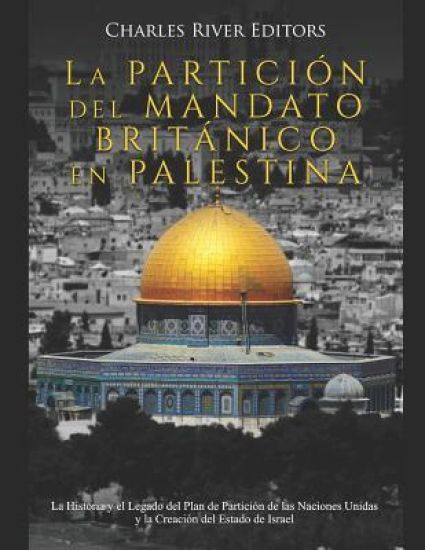
La Partición del Mandato Británico en Palestina: La Historia y el Legado del Plan de Partición de las Naciones Unidas y la Creación del Estado de Isra
"Desde el final del estado jud o de la antig edad hasta el comienzo del mando brit nico, el rea hoy designada con el nombre de Palestina no era un pa s, y no ten a fronteras, s lo l mites administrativos." - Profesor Bernard Lewis, Revista Commentary, enero de 1975El conflicto entre israel es y palestinos t cnicamente tiene 69 a os y contin a hasta la fecha, pero sus ra ces se extienden por m s de 2,000 a os de historia. Con tanto tiempo e historia tras de s , el proceso de paz en Medio Oriente se ha saturado de conceptos especializados, pol ticamente delicados, como derecho de retorno, fronteras contiguas, fronteras seguras, zonas desmilitarizadas y requisitos de seguridad, con diversos protagonistas como el Cuarteto, la Autoridad Palestina, Fatah, Hamas, la Liga rabe, e Israel. Con el tiempo, se ha vuelto extremadamente dif cil, incluso para pol ticos expertos sofisticados e interesados, entender todo esto.Casi un siglo antes de que se fundara el estado de Israel en 1948, Palestina estaba bajo el control del Imperio Turco Otomano, formado principalmente por rabes. En la d cada de 1850, los jud os comenzaron a establecerse en peque as poblaciones a lo largo de las tierras que una vez formaron Judea y Samaria, mismas que los jud os consideraban como su antigua patria b blica. Sus esfuerzos por adquirir tierras u propiedades estaban motivados por la intenci n de algunos jud os de ayudar a restablecer aquella tierra como la patria jud a. Esos jud os se conocieron como sionistas, llamados as por (el monte) Si n, que a menudo se considera como una referencia a todo Israel, aunque en realidad se refiere a una parte de Jerusal n. Los sionistas intentaron establecer un Fondo Nacional Jud o que ayudar a a los jud os a comprar tierras en Palestina para formar asentamientos jud os.En 1947, los brit nicos delegaron el tema de la partici n del Mandato brit nico a las Naciones Unidas, y la Asamblea General de las Naciones Unidas cre un Comit Especial para Palestina (UNSCOP, por sus siglas en ingl s). La UNSCOP ide lo que hoy se conoce como el Plan de Partici n de la ONU de 1947. El Plan de Partici n cre dividi dos estados poco probables, pero su intenci n era crear un estado de Israel en el que la poblaci n jud a formara una mayor a de 55%, en tanto que Palestina ten a m s de 90% de habitantes rabes palestinos. Mientras tanto, la ciudad de Jerusal n ser a administrada internacionalmente, debido a las delicadas cuestiones religiosas que involucraban tant a musulmanes, como cristianos y jud os. Adem s de alojar varios lugares sagrados para los cristianos, la mezquita Al-Aqsa de Jerusal n es el tercer sitio m s sagrado del Islam, y se halla situada justo al lado del Muro Occidental, el lugar m s sagrado para los jud os.El plan propuesto fue aceptado por la Agencia Jud a, que representaba a los l deres de la comunidad jud a en Palestina. Sin embargo, fue rechazado por los l deres palestinos dentro del Mandato, as como la reci n formada Liga rabe, una confederaci n de estados rabes del Medio Oriente liderada por Egipto, L bano, Irak, Arabia Saudita, Siria y Yemen. Aunque el estado dividido de Israel hubiera tenido mayor a jud a, el 67% de la poblaci n en el resto del Mandato brit nico despu s de la partici n de Jordania era palestina, por lo que se consider que el plan era injusto y daba ventaja a los jud os. El 14 de mayo de 1948, el mandato brit nico expir de manera oficial. Ese mismo d a, el Consejo Nacional Jud o emiti la Declaraci n de Establecimiento del Estado de Israel. Diez minutos m s tarde, el presidente Truman reconoci oficialmente al Estado de Israel, y la Uni n Sovi tica r pidamente tambi n reconoci a Israel. Sin embargo, los palestinos y la Liga rabe no reconocieron el nuevo pa s, y al d a siguiente, los ej rcitos de Egipto, Siria, L bano e Irak invadieron el antiguo Mandato brit nico para s
La Partición del Mandato Británico en Palestina: La Historia y el Legado del Plan de Partición de las Naciones Unidas y la Creación del Estado de Isra
"Desde el final del estado jud o de la antig edad hasta el comienzo del mando brit nico, el rea hoy designada con el nombre de Palestina no era un pa s, y no ten a fronteras, s lo l mites administrativos." - Profesor Bernard Lewis, Revista Commentary, enero de 1975El conflicto entre israel es y palestinos t cnicamente tiene 69 a os y contin a hasta la fecha, pero sus ra ces se extienden por m s de 2,000 a os de historia. Con tanto tiempo e historia tras de s , el proceso de paz en Medio Oriente se ha saturado de conceptos especializados, pol ticamente delicados, como derecho de retorno, fronteras contiguas, fronteras seguras, zonas desmilitarizadas y requisitos de seguridad, con diversos protagonistas como el Cuarteto, la Autoridad Palestina, Fatah, Hamas, la Liga rabe, e Israel. Con el tiempo, se ha vuelto extremadamente dif cil, incluso para pol ticos expertos sofisticados e interesados, entender todo esto.Casi un siglo antes de que se fundara el estado de Israel en 1948, Palestina estaba bajo el control del Imperio Turco Otomano, formado principalmente por rabes. En la d cada de 1850, los jud os comenzaron a establecerse en peque as poblaciones a lo largo de las tierras que una vez formaron Judea y Samaria, mismas que los jud os consideraban como su antigua patria b blica. Sus esfuerzos por adquirir tierras u propiedades estaban motivados por la intenci n de algunos jud os de ayudar a restablecer aquella tierra como la patria jud a. Esos jud os se conocieron como sionistas, llamados as por (el monte) Si n, que a menudo se considera como una referencia a todo Israel, aunque en realidad se refiere a una parte de Jerusal n. Los sionistas intentaron establecer un Fondo Nacional Jud o que ayudar a a los jud os a comprar tierras en Palestina para formar asentamientos jud os.En 1947, los brit nicos delegaron el tema de la partici n del Mandato brit nico a las Naciones Unidas, y la Asamblea General de las Naciones Unidas cre un Comit Especial para Palestina (UNSCOP, por sus siglas en ingl s). La UNSCOP ide lo que hoy se conoce como el Plan de Partici n de la ONU de 1947. El Plan de Partici n cre dividi dos estados poco probables, pero su intenci n era crear un estado de Israel en el que la poblaci n jud a formara una mayor a de 55%, en tanto que Palestina ten a m s de 90% de habitantes rabes palestinos. Mientras tanto, la ciudad de Jerusal n ser a administrada internacionalmente, debido a las delicadas cuestiones religiosas que involucraban tant a musulmanes, como cristianos y jud os. Adem s de alojar varios lugares sagrados para los cristianos, la mezquita Al-Aqsa de Jerusal n es el tercer sitio m s sagrado del Islam, y se halla situada justo al lado del Muro Occidental, el lugar m s sagrado para los jud os.El plan propuesto fue aceptado por la Agencia Jud a, que representaba a los l deres de la comunidad jud a en Palestina. Sin embargo, fue rechazado por los l deres palestinos dentro del Mandato, as como la reci n formada Liga rabe, una confederaci n de estados rabes del Medio Oriente liderada por Egipto, L bano, Irak, Arabia Saudita, Siria y Yemen. Aunque el estado dividido de Israel hubiera tenido mayor a jud a, el 67% de la poblaci n en el resto del Mandato brit nico despu s de la partici n de Jordania era palestina, por lo que se consider que el plan era injusto y daba ventaja a los jud os. El 14 de mayo de 1948, el mandato brit nico expir de manera oficial. Ese mismo d a, el Consejo Nacional Jud o emiti la Declaraci n de Establecimiento del Estado de Israel. Diez minutos m s tarde, el presidente Truman reconoci oficialmente al Estado de Israel, y la Uni n Sovi tica r pidamente tambi n reconoci a Israel. Sin embargo, los palestinos y la Liga rabe no reconocieron el nuevo pa s, y al d a siguiente, los ej rcitos de Egipto, Siria, L bano e Irak invadieron el antiguo Mandato brit nico para s
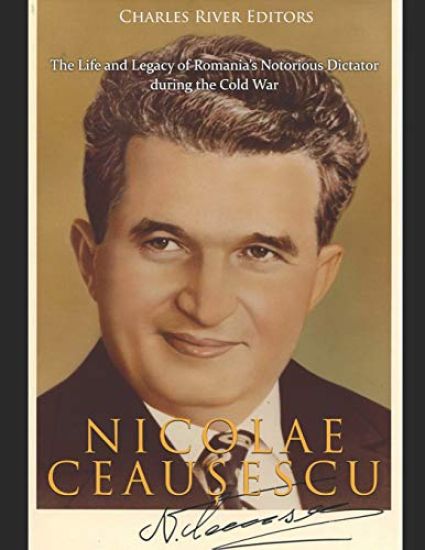
Nicolae Ceaușescu: The Life and Legacy of Romania's Notorious Dictator during the Cold War
*Includes pictures*Includes online resources and a bibliography for further reading"Esteemed chairman of the court, today we have to pass a verdict on the defendants Nicolae Ceaușescu and Elena Ceaușescu who have committed the following offenses: Crimes against the people. They carried out acts that are incompatible with human dignity and social thinking; they acted in a despotic and criminal way; they destroyed the people whose leaders they claimed to be. Because of the crimes they committed against the people, I plead, on behalf of the victims of these two tyrants, for the death sentence for the two defendants." - An excerpt of chief prosecutor Dan Voinea's statements during Ceaușescu's trial Nicolae Ceaușescu, one of the 20th century's most notorious dictators, was both typical and unusual. Outwardly he resembled a standard leader of a communist country in Eastern Europe during the Cold War, yet he was even more repressive and opulent than his contemporaries. In Romania itself, Ceaușescu led a life as an isolated outsider, notably less urbane than the Bucharest elite, and given that he was born in rural poverty to peasant parents, his rise was perhaps the unlikeliest of any of the communists of that generation. As it turned out, circumstances presented themselves in a manner that led to his elevation, including the acquaintances he made whilst serving time in prison in the 1930s and 1940s, the rise of communism after World War II, and the Soviet occupation of a country that had previously banned the ideology. Ceaușescu was a compromise candidate when Romanian leader Gheorghe Gheorghiu-Dej died in 1965, and he initially appeared to be a liberal-minded, nationalist-orientated reformer. Ceaușescu did fit very easily into one stereotype, however, by proving that absolute power corrupts absolutely. From the early 1970s, he and his wife Elena constructed the most grotesquely personalized cult of dictatorship in the region, and while operating at the pinnacle of a highly corrupt pyramid, the couple bled their country dry with a succession of incompetent and warped policies. Ceaușescu's own father would say of him, "He tells nothing but lies." His son wasn't much more charitable, saying, "The new kind of politicians lie all the time. But my father was one of the old kind, more of a fanatic. He was driven by some kind of fanaticism. This belief that you can do good. It's a sort of madness."By the end of the 1980s, communism was collapsing across Central Europe and Eastern Europe, but whereas the popular unrest that toppled the authoritarian regimes in other countries triggered a peaceful transition of power, in Romania, the anger and frustration was so acute that the Ceaușescu's were captured, tried, and executed within the space of a few tumultuous days in December 1989. True to form, he made wild statements in his defense, insisting during the trials, "It is a lie that I made the people starve. A lie, a lie in my face. This shows how little patriotism there is, how many treasonable offenses were committed.... At no point was there such an upswing, so much construction, so much consolidation in the Romanian provinces. I guaranteed that every village has its schools, hospitals and doctors. I have done everything to create a decent and rich life for the people in the country, like in no other country in the world." Ultimately, by the end of his life, Ceaușescu had already left his mark as one of the 20th century's most infamous despots. Nicolae Ceaușescu: The Life and Legacy of Romania's Notorious Dictator during the Cold War examines the rise and reign of the Romanian leader. Along with pictures of important people and places, you will learn about Ceaușescu like never before.
Nicolae Ceaușescu: The Life and Legacy of Romania's Notorious Dictator during the Cold War
*Includes pictures*Includes online resources and a bibliography for further reading"Esteemed chairman of the court, today we have to pass a verdict on the defendants Nicolae Ceaușescu and Elena Ceaușescu who have committed the following offenses: Crimes against the people. They carried out acts that are incompatible with human dignity and social thinking; they acted in a despotic and criminal way; they destroyed the people whose leaders they claimed to be. Because of the crimes they committed against the people, I plead, on behalf of the victims of these two tyrants, for the death sentence for the two defendants." - An excerpt of chief prosecutor Dan Voinea's statements during Ceaușescu's trial Nicolae Ceaușescu, one of the 20th century's most notorious dictators, was both typical and unusual. Outwardly he resembled a standard leader of a communist country in Eastern Europe during the Cold War, yet he was even more repressive and opulent than his contemporaries. In Romania itself, Ceaușescu led a life as an isolated outsider, notably less urbane than the Bucharest elite, and given that he was born in rural poverty to peasant parents, his rise was perhaps the unlikeliest of any of the communists of that generation. As it turned out, circumstances presented themselves in a manner that led to his elevation, including the acquaintances he made whilst serving time in prison in the 1930s and 1940s, the rise of communism after World War II, and the Soviet occupation of a country that had previously banned the ideology. Ceaușescu was a compromise candidate when Romanian leader Gheorghe Gheorghiu-Dej died in 1965, and he initially appeared to be a liberal-minded, nationalist-orientated reformer. Ceaușescu did fit very easily into one stereotype, however, by proving that absolute power corrupts absolutely. From the early 1970s, he and his wife Elena constructed the most grotesquely personalized cult of dictatorship in the region, and while operating at the pinnacle of a highly corrupt pyramid, the couple bled their country dry with a succession of incompetent and warped policies. Ceaușescu's own father would say of him, "He tells nothing but lies." His son wasn't much more charitable, saying, "The new kind of politicians lie all the time. But my father was one of the old kind, more of a fanatic. He was driven by some kind of fanaticism. This belief that you can do good. It's a sort of madness."By the end of the 1980s, communism was collapsing across Central Europe and Eastern Europe, but whereas the popular unrest that toppled the authoritarian regimes in other countries triggered a peaceful transition of power, in Romania, the anger and frustration was so acute that the Ceaușescu's were captured, tried, and executed within the space of a few tumultuous days in December 1989. True to form, he made wild statements in his defense, insisting during the trials, "It is a lie that I made the people starve. A lie, a lie in my face. This shows how little patriotism there is, how many treasonable offenses were committed.... At no point was there such an upswing, so much construction, so much consolidation in the Romanian provinces. I guaranteed that every village has its schools, hospitals and doctors. I have done everything to create a decent and rich life for the people in the country, like in no other country in the world." Ultimately, by the end of his life, Ceaușescu had already left his mark as one of the 20th century's most infamous despots. Nicolae Ceaușescu: The Life and Legacy of Romania's Notorious Dictator during the Cold War examines the rise and reign of the Romanian leader. Along with pictures of important people and places, you will learn about Ceaușescu like never before.
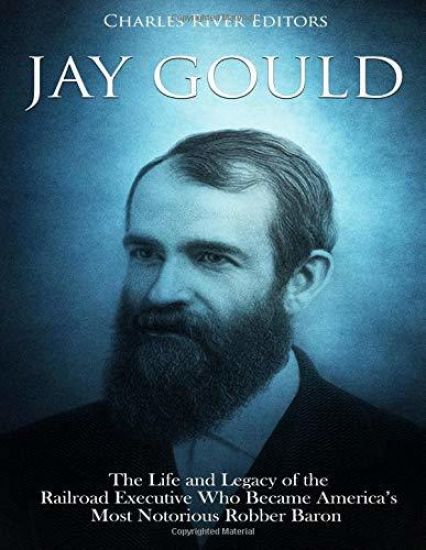
Jay Gould: The Life and Legacy of the Railroad Executive Who Became America's Most Notorious Robber Baron
*Includes pictures *Includes contemporary accounts *Includes online resources and a bibliography for further reading "It was the custom when men received nominations to come to me for contributions, and I made them and considered them good paying investments for the company. In a Republican district I was a strong Republican; in a Democratic district I was Democratic, and in doubtful districts I was doubtful. In politics I was an Erie Railroad man all the time." - Jay Gould The term robber baron has largely fallen into disuse in the 21st century but there was a time when it was a popular epithet that described the kind of man who, it was believed, built his fortune by taking things belonging to others. The Gilded Age and the dawn of the 20th century are often remembered as an era full of monopolies, trusts, and economic giants in heavy industries like oil and steel. Men like Andrew Carnegie built empires like Carnegie Steel, and financiers like J.P. Morgan merged and consolidated them. The era also made names like Astor, Cooke, and Vanderbilt instantly recognizable across the globe. Over time, the unfathomable wealth generated by the businesses made the individuals on top incredibly rich, and that in turn led to immense criticism and an infamous epithet used to rail against them: robber barons. The industrial might wielded by men like Gould in the later 19th century directly led to a public backlash and made President Teddy Roosevelt the "trust buster", and there has since been countless regulations to attempt to avoid the types of monopolies found over 100 years ago. However, many 20th century historians and writers pushed back against the allegations hurled at the "robber barons" and even took issue with the name. Libertarian writer John Stossel argued, "They weren't robbers, because they didn't steal from anyone, and they weren't barons-they were born poor..." Of all the men labeled as robber barons during the Gilded Age, nobody was as notorious during his time as Jason Gould, known to his few friends as Jay and his many enemies by names not suitable to print. Famed editor Joseph Pulitzer called Gould " o]ne of the most sinister figures that ever flitted, bat-like, across the vision of the American people," and Robert G. Ingersoll said of him, "I do not believe that since man was in the habit of living on this planet anyone has ever lived possessed of the impudence of Jay Gould." In more recent times, writers have been more forgiving of Gould's actions, even as they continue to recognize his unscrupulous dealings. As Maury Klein and Joseph Calandro, Jr. observed in a 2016 edition of Financial History, "No one in United States financial and business history is as misunderstood, and under-appreciated, as Jay Gould. There are a number of reasons for this: First and foremost, Gould earned a reputation as the most hated man in America. Two early episodes, the Erie Railroad War and Black Friday, when he conceived an audacious scheme to corner the nation's gold supply in 1869, did much to create the image of him as a ruthless, unprincipled Wall Street renegade who seemed always to skirt the letter of the law." He studied every aspect he could of the booming railroad industry of the Civil War era, and then parlayed his money and connections to end up on the right side of the Stock Market crash in 1869. He would also win the infamous Erie War, and when he was swindled out of both control of the Erie and a significant part of his fortune, he did not quit. Regardless of what people thought of him, in many respects, Gould's death marked the end of an era for the land grabbers, speculators, and railroad barons who built America, just as surely as they did their own fortunes. Jay Gould: The Life and Legacy of the Railroad Executive Who Became America's Most Notorious Robber Baron analyzes the tycoon's life, why he was so widely reviled, and his lasting legacy.